

What Type of Excavator Is Suitable for a Rotary Screening Bucket?
Release time: 2026-09-28
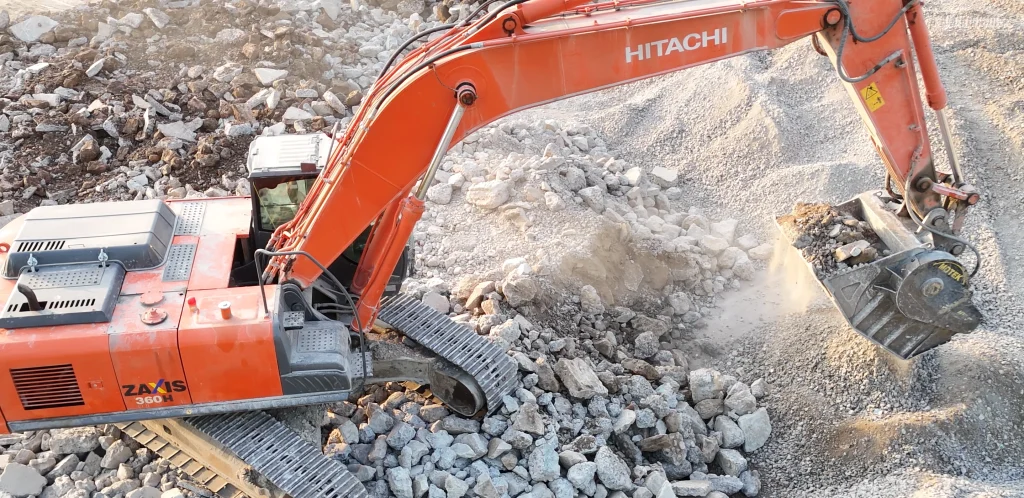
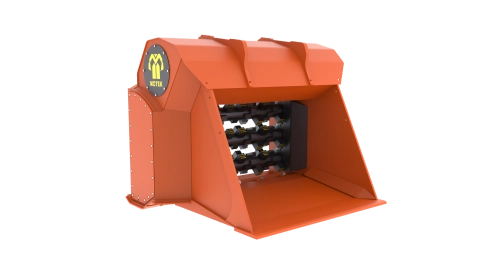
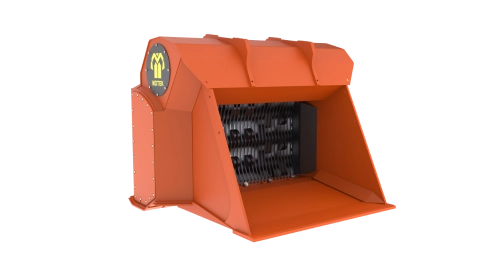
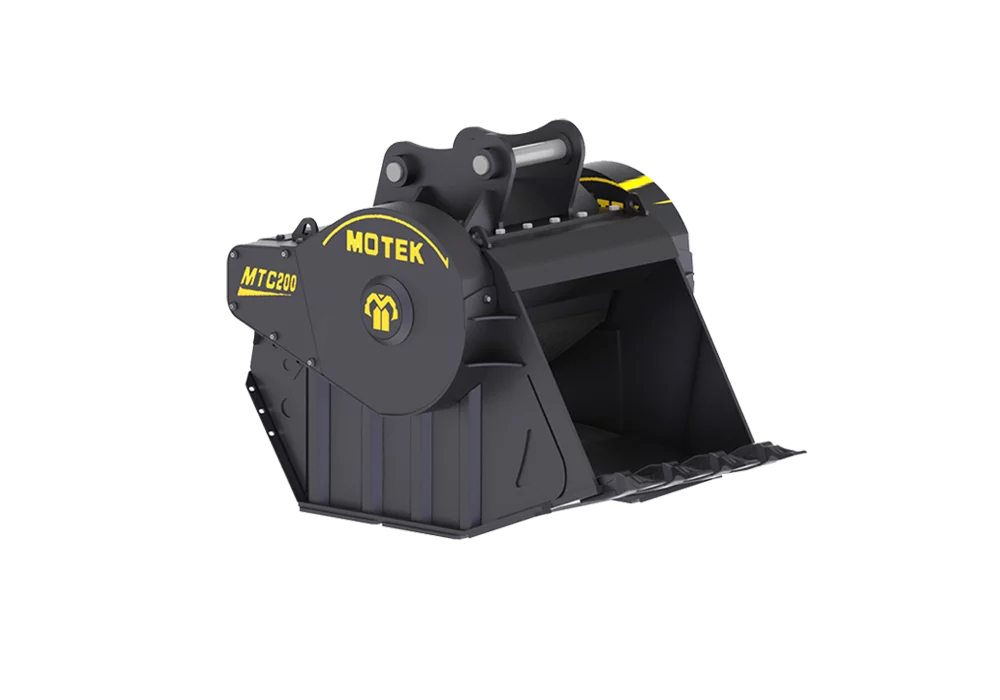
A rotary screening bucket is suitable for excavators whose operating weight, hydraulic flow, working pressure, and attachment capacity match the bucket’s specifications. It is commonly used with compact excavators for landscaping and small-scale material processing, as well as medium and large excavators for construction waste recycling, soil screening, compost processing, and site remediation. The best choice depends on the material being processed, the required screening output, and the excavator’s hydraulic configuration—not just its size.
Table of Contents
1. Which Excavator Size Is Best for a Rotary Screening Bucket?
Excavator compatibility is one of the first factors buyers should evaluate. Although rotary screening buckets are available for different machine sizes, the appropriate combination depends on the manufacturer’s compatibility recommendations and the actual working conditions.
| Excavator Category | Typical Applications | Key Selection Considerations |
|---|---|---|
| Mini excavators | Garden maintenance, landscaping, and small construction projects | Compact dimensions, attachment weight, and available hydraulic flow |
| Medium excavators | Soil screening, construction waste sorting, and site preparation | Hydraulic performance, bucket capacity, and daily workload |
| Large excavators | Large-scale material processing, demolition waste handling, and industrial projects | Required throughput, structural load, hydraulic output, and continuous operation requirements |
Note: These categories are general guidelines. Always confirm the compatible excavator operating weight range and hydraulic specifications provided by the attachment manufacturer.
2. What Hydraulic Requirements Should You Check?
Excavator size alone does not determine whether a rotary screening bucket will perform effectively. The hydraulic system must provide the flow rate and operating pressure required by the attachment.
Before purchasing, check these four parameters:
- Hydraulic flow rate: The excavator must deliver sufficient oil flow for the screening bucket’s rotary mechanism.
- Operating pressure: The available hydraulic pressure must meet the attachment manufacturer’s requirements.
- Hydraulic circuit: Confirm whether the excavator has the correct auxiliary hydraulic lines, connections, and control functions.
- Return-line requirements: Some attachments require specific return-line configurations or low-pressure return arrangements.
Insufficient hydraulic flow may reduce screening efficiency, while an unsuitable pressure or return-line setup can affect reliability. Excessive flow or pressure can also damage hydraulic components if the attachment is not designed for those conditions.
3. Which Working Conditions Are Suitable for a Rotary Screening Bucket?
A rotary screening bucket is particularly useful when materials need to be separated by size, reused, or prepared for subsequent processing.
| Working Scenario | Typical Materials | Main Benefit |
|---|---|---|
| Construction and demolition | Excavated soil, mixed aggregates, and suitable construction debris | Separates reusable material from oversized particles |
| Landscaping and soil preparation | Topsoil, stones, and organic material | Produces more consistent soil for reuse |
| Compost processing | Compost, organic waste, and suitable biomass | Helps separate coarse material and improve material handling |
| Environmental remediation | Excavated soil and selected remediation materials | Supports material classification and on-site processing |
| Recycling operations | Selected mineral materials and mixed reusable aggregates | Reduces unnecessary material transportation when on-site reuse is feasible |
The material’s moisture content, particle size, composition, and tendency to clog the screening openings should be considered before selecting the bucket configuration.
4. How Can You Match a Rotary Screening Bucket to Your Excavator?
Use the following checklist before making a purchasing decision.
Step 1: Confirm excavator compatibility. Check the machine’s operating weight, attachment mounting interface, and permitted attachment load.
Step 2: Verify hydraulic specifications. Compare the excavator’s actual auxiliary flow and pressure with the bucket manufacturer’s requirements.
Step 3: Define the target material. Identify whether you will process soil, stones, compost, demolition materials, or another material type.
Step 4: Determine the required screening size and output. Select the appropriate screening configuration based on the desired final material size and expected workload.
Step 5: Evaluate operating conditions. Consider moisture, abrasiveness, working hours, site accessibility, and the need to move between job sites.
Step 6: Confirm the final configuration with the manufacturer. Provide the excavator model, hydraulic specifications, material details, and expected daily workload to obtain a suitable recommendation.
5. Why Is the Right Excavator and Bucket Combination Important?
An appropriately matched rotary screening bucket can help improve material handling efficiency, support on-site recycling, and reduce the need to transport unscreened materials elsewhere. However, an oversized attachment may exceed the machine’s permitted load, while an undersized or hydraulically incompatible configuration may limit productivity.
The goal is to balance screening capacity, hydraulic performance, machine stability, and operating costs. Buyers should evaluate the complete working system rather than choosing an attachment based on bucket dimensions alone.
Choosing the right excavator for a rotary screening bucket requires more than matching machine size. Buyers should consider operating weight, hydraulic flow, pressure, attachment compatibility, material characteristics, and required screening output. By checking these factors before purchasing, contractors and equipment operators can select a configuration that better fits their projects and operating conditions.
When evaluating rotary screening bucket solutions, MOTEK provides OEM/ODM customization based on customer requirements and actual working conditions. Buyers can share their excavator model, hydraulic parameters, target materials, and screening requirements to discuss a suitable attachment configuration.
Author

Jack Liu
MOTEK General Manager 20 years of experience in construction machinery. Former agent for several high-end European attachment brands. A visionary leader driving MOTEK's growth.