


What Is the Difference Between a Screening Bucket and a Rotary Screening Bucket?
Release time: 2026-10-08
Table of Contents
MOTEK focuses on the research, development, and manufacturing of construction machinery attachments, providing practical equipment solutions for construction, material processing, and environmental remediation. With a product range covering screening buckets, crusher buckets, and related attachments, MOTEK offers options for different material characteristics and working requirements. Among these products, the DB Series Screening Bucket is designed for fine screening and specialized material processing, particularly when handling wet soil and high-viscosity sludge.
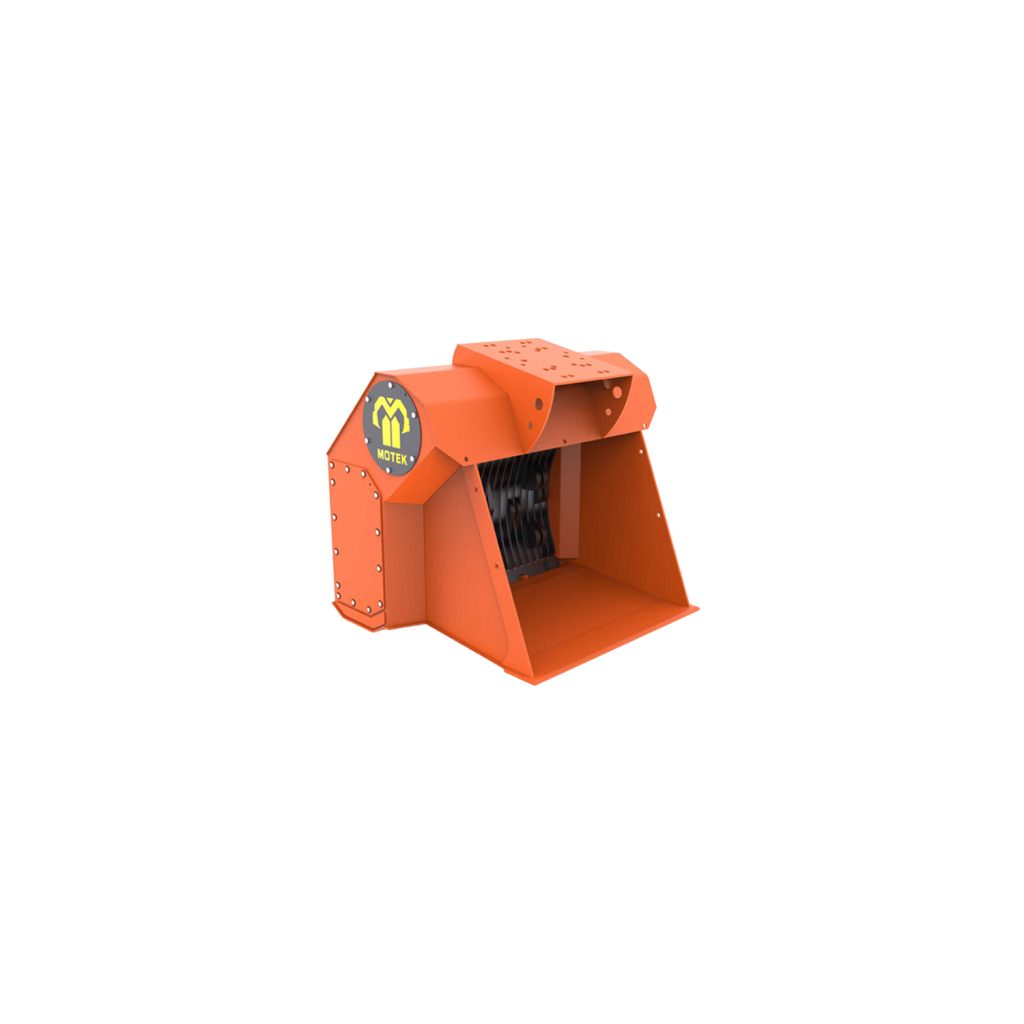
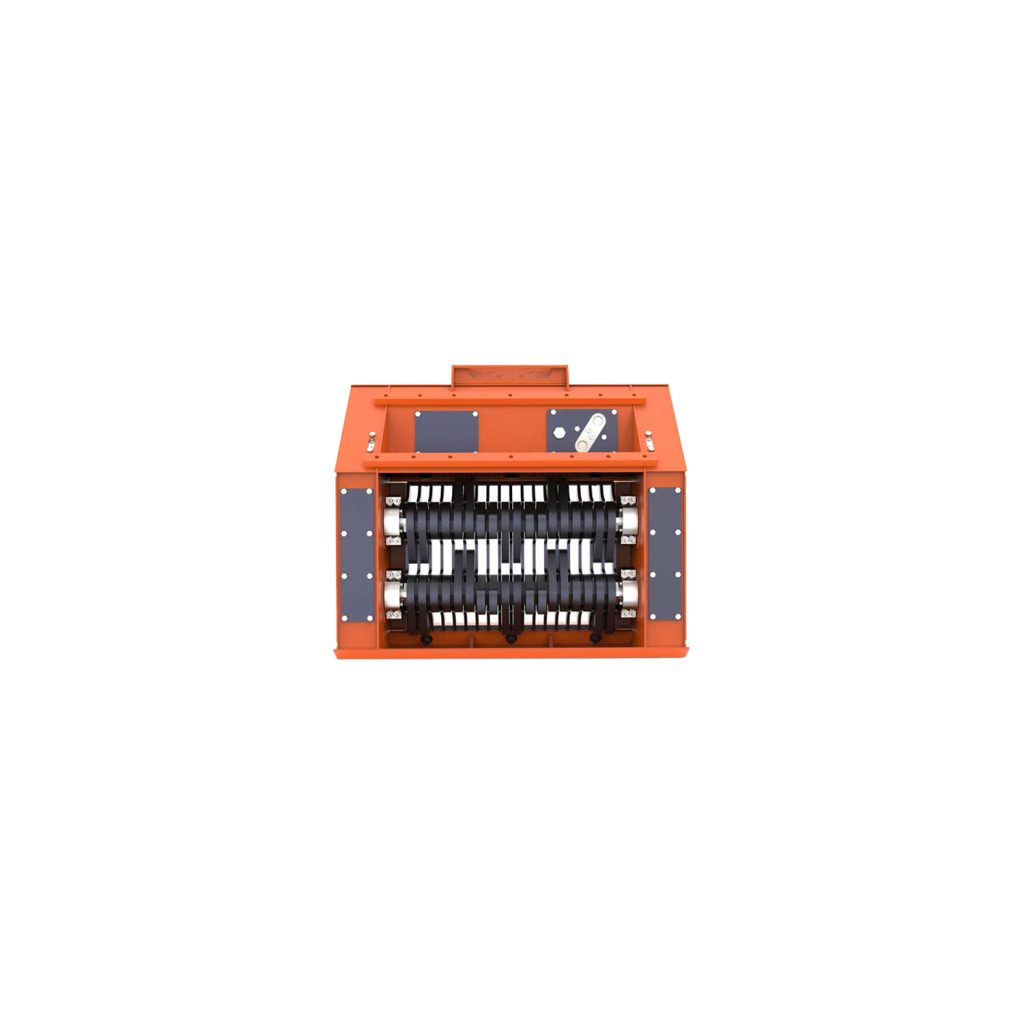
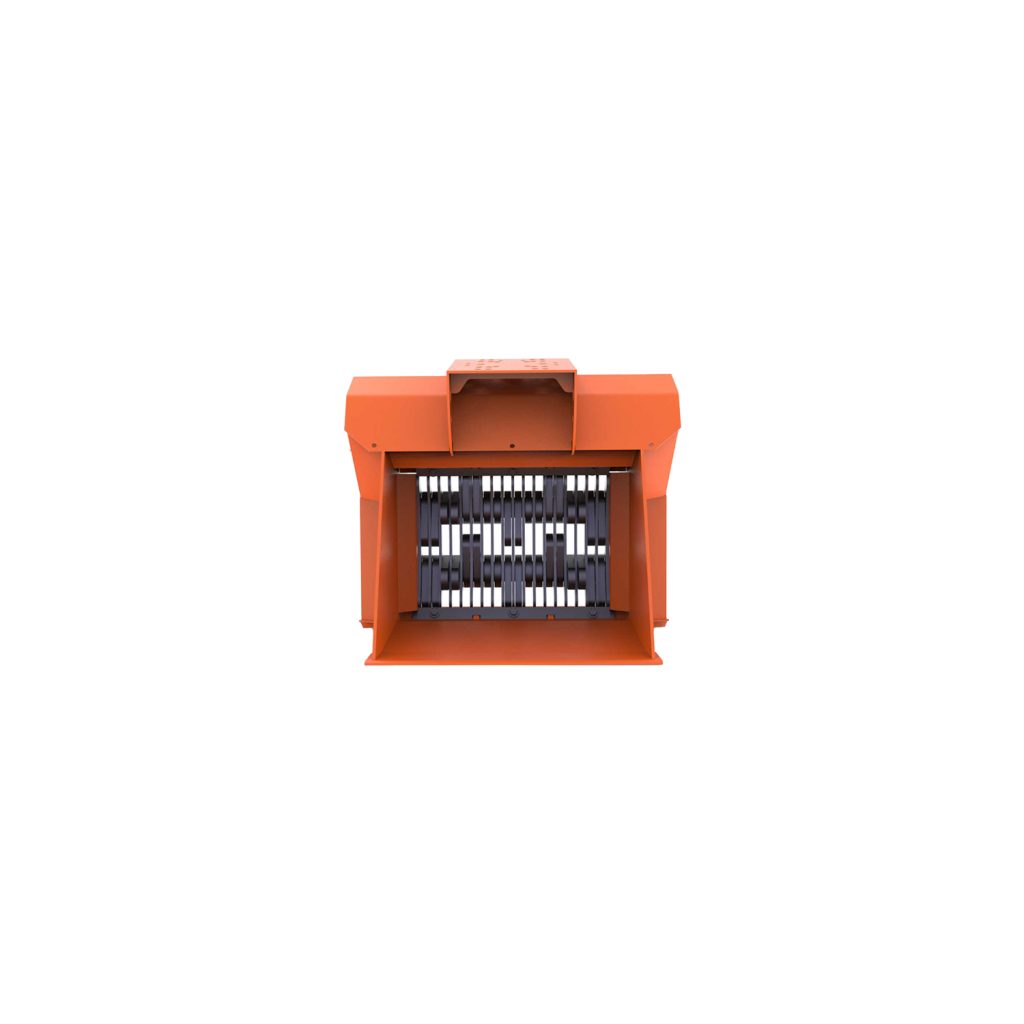
Although a screening bucket and a rotary screening bucket are both used to separate materials according to particle size, they differ in working structure, screening methods, and suitable applications. Understanding these differences helps users identify the characteristics of each type of equipment and determine which solution better meets their project requirements.
1. What Is a Screening Bucket?
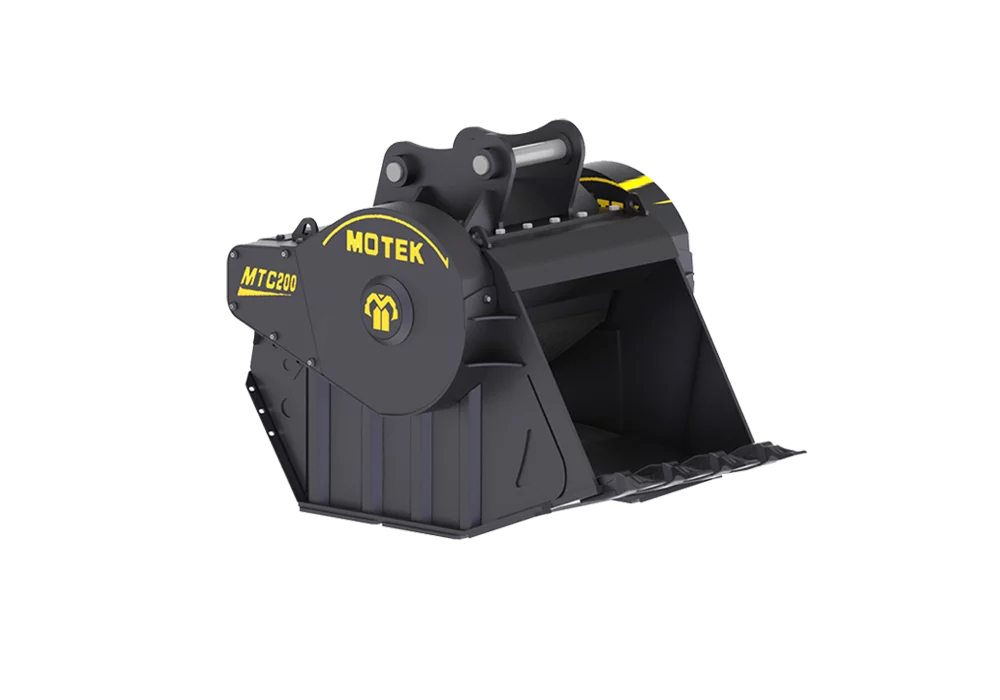
A screening bucket is an excavator or loader attachment used to separate materials by size. It allows operators to process soil, stones, construction waste, and other materials directly at the job site, reducing the need to transport materials to separate screening equipment.
Different screening buckets use different structures to achieve material separation. Some rely on screening grids, while others use rotating components or other mechanical arrangements. Their performance depends on factors such as screen design, material properties, and working conditions.
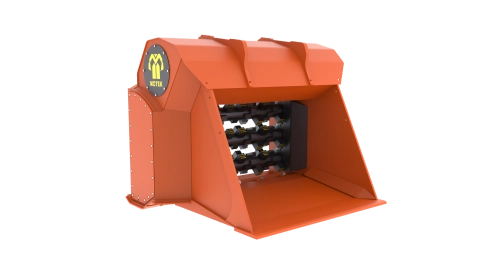
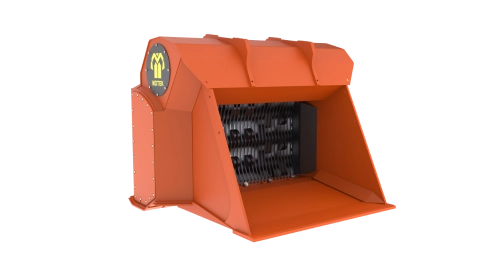
The DB Series Screening Bucket is developed for fine material processing. According to its product specifications, the screened material at the outlet can have a particle size of no more than 2 cm. Its self-cleaning structure also supports the handling of soil with high water content.
2. What Is a Rotary Screening Bucket?
A rotary screening bucket typically uses a rotating drum or screening structure to separate materials. As the mechanism rotates, smaller particles pass through the screening openings, while larger materials remain inside or move toward the discharge area.
This type of equipment is commonly used for screening soil, compost, aggregates, and certain types of construction waste. The rotating action helps move and distribute materials during processing.
Compared with screening buckets that use other screening structures, rotary models are defined by their rotating screening mechanism. However, the actual screening result still depends on the opening size, rotation design, material condition, and operating parameters.
3. Key Differences Between Screening Buckets and Rotary Screening Buckets
Working Structure
The main difference is the screening mechanism. A general screening bucket may use different structural designs, such as grids or other screening components. A rotary screening bucket, by contrast, uses a rotating screening structure to move and separate materials.
Therefore, not every screening bucket is a rotary screening bucket. The product’s actual structure should be checked before determining its working type.
Material Handling
Both types can process different materials, but their suitability depends on the material’s size, moisture content, and composition. For example, wet or sticky materials may accumulate on screening components and affect efficiency if the structure is not designed to manage them.
Screening Requirements
The required particle size is another important consideration. Projects involving fine screening need equipment with suitable screening openings and a structure that can maintain consistent material flow. The DB Series is designed for fine screening, with outlet particle sizes of no more than 2 cm according to the product page.
Hydraulic Operation
A hydraulic screening bucket uses hydraulic power to operate its working components. Hydraulic operation describes how the attachment is powered, while rotary screening describes its screening mechanism. These terms refer to different equipment characteristics and should not be treated as interchangeable.
The drive configuration of a particular model should be confirmed through its product specifications rather than assumed from its category name.
4. What Makes the DB Series Screening Bucket Suitable for Fine Materials?
The DB series screening bucket is designed to address material-processing requirements where fine screening and handling of wet materials are important.
One of its key features is its self-cleaning structure, which helps it process soil with high water content. This is particularly relevant when handling materials that may stick to or accumulate on screening components.
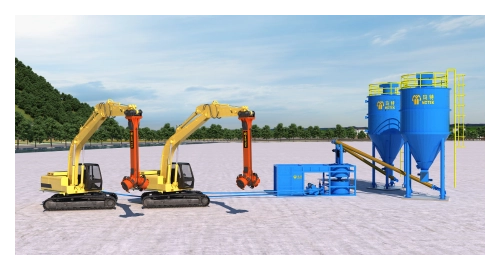
The product page also highlights its innovative grid structure for processing high-viscosity petroleum sludge. The bucket can crush and screen sludge while separating stones, wood, and other unwanted materials contained in it. This helps address the challenges of sludge processing and material separation.
The DB Series includes several models for different machine sizes:
- MTS204: suitable for excavators from 5–10 tons and loaders from 2–8 tons.
- MTS207: suitable for excavators from 10–18 tons and loaders from 5–9 tons.
- MTS312-DB: suitable for excavators from 18–25 tons and loaders from 9–14 tons.
- MTS317-DB: suitable for excavators from 25–30 tons and loaders from 12–22 tons.
- MTS320-DB: suitable for excavators from 30–45 tons and loaders from 14–30 tons.
The bucket is designed for installation on excavators or loaders. Its detachable design also allows the carrier machine to be used for other tasks when the attachment is not required, helping reduce the need for additional equipment investment.
5. Choosing the Right Screening Bucket for Your Project
The choice between a conventional screening bucket and a rotary screening bucket should be based on the material to be processed, the required particle size, moisture conditions, and the carrier machine.
For projects involving fine materials, wet soil, or high-viscosity sludge, the DB Series offers features specifically intended for these conditions. Its self-cleaning structure, innovative grid design, and range of models provide options for different machine sizes and processing requirements.
Frequently Asked Questions
1. What is the main difference between a screening bucket and a rotary screening bucket?
A screening bucket is a general category of attachment used to separate materials by size. A rotary screening bucket specifically uses a rotating screening mechanism to achieve material separation.
2. Can a screening bucket process wet and sticky materials?
Yes, but performance depends on its structural design. The DB Series features a self-cleaning structure designed to help handle wet soil and high-viscosity materials.
3. What materials can the DB Series Screening Bucket process?
The DB Series is designed for fine material screening and can also handle high-viscosity petroleum sludge, separating unwanted materials such as stones and wood.
4. Is a hydraulic screening bucket the same as a rotary screening bucket?
No. Hydraulic screening describes the power system used to operate an attachment, while rotary screening refers to the mechanism used to separate materials. A bucket may have hydraulic operation without necessarily being a rotary screening bucket.
5. How do I choose the right DB Series model?
The appropriate model depends on the carrier machine’s operating weight and the project’s material-processing requirements. Check the recommended excavator or loader weight range for each model before selecting an attachment.
Conclusion
By understanding the differences between screening buckets and rotary screening buckets in terms of working structure, material handling, and screening requirements, users can evaluate which equipment is more suitable for their specific applications. For projects involving fine materials, wet soil, or high-viscosity sludge, the DB Series provides relevant screening solutions through its self-cleaning structure, innovative grid design, and range of model configurations.
As a professional manufacturer of construction machinery attachments, MOTEK focuses not only on product structure and functionality but also on matching equipment to actual working conditions. By continuously developing its product range and providing OEM/ODM services and related technical support, MOTEK aims to help customers address different material-processing requirements. Whether the task involves conventional screening or more specialized material separation, MOTEK can work with customers to identify a suitable equipment solution.

