

How to Choose a Rotary Screening Bucket Manufacturer?
Release time: 2026-10-21
Table of Contents
Choosing a suitable rotary screening bucket manufacturer requires more than comparing product prices. Buyers need to consider product design, screening requirements, excavator compatibility, working conditions, and long-term technical support. A suitable attachment should match the materials being processed and the demands of the job site.
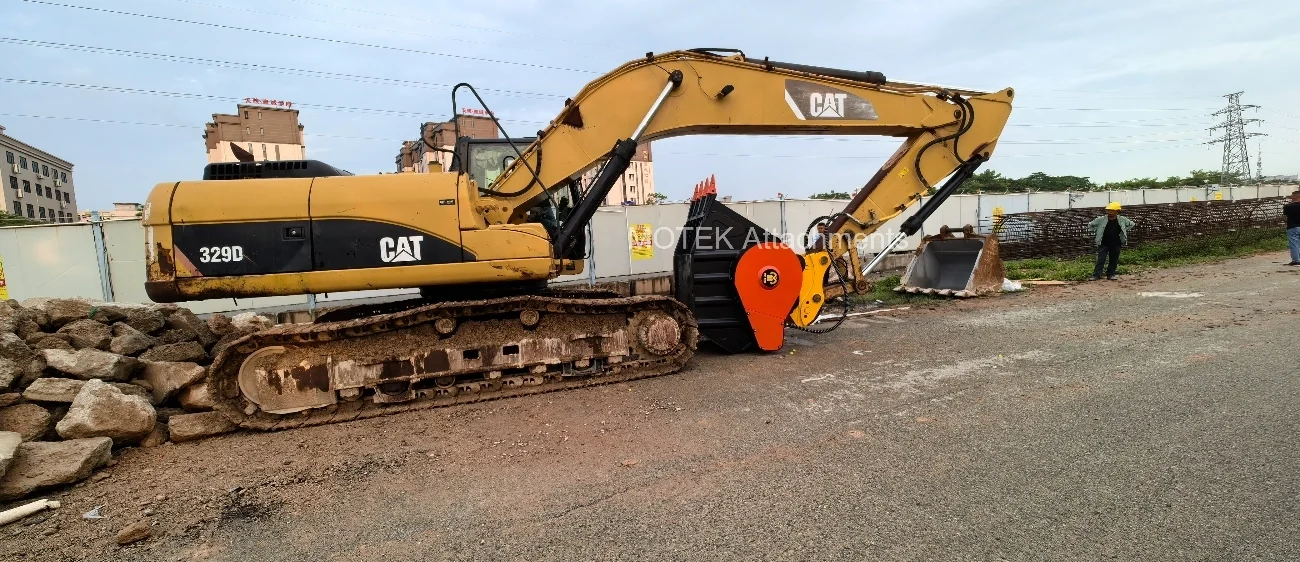
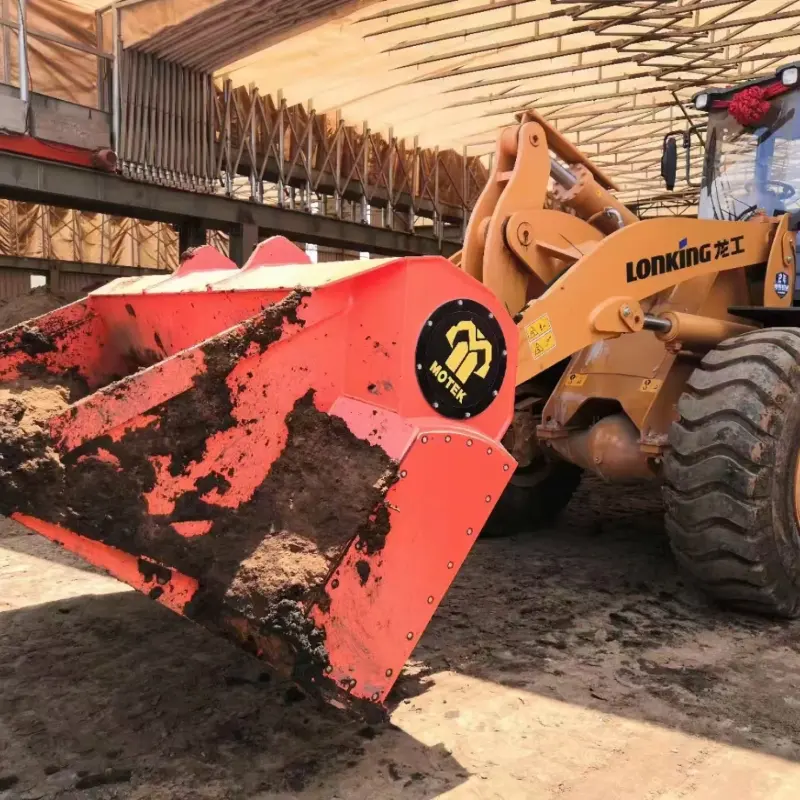
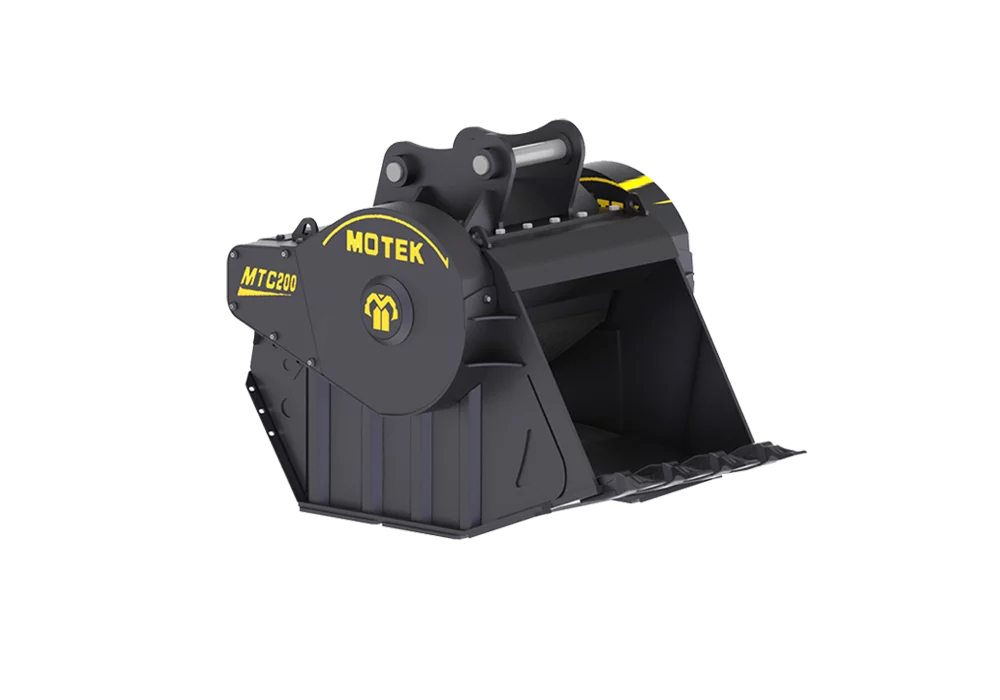
MOTEK specializes in the development and manufacturing of industrial attachments for material handling and construction applications. Its product range includes different screening solutions, such as the DB Series screening bucket and H Series screening and crushing bucket, designed for different operational requirements.
1. Understand Your Screening Requirements
Before selecting a manufacturer, it is important to identify the materials and screening tasks involved. Different materials require different screening configurations. For example, soil, sand, stones, and construction waste may vary in particle size, moisture content, and material composition.
A suitable rotary screening bucket should be selected according to the required screening results and actual working conditions. Buyers should also consider whether the equipment will mainly be used for separating fine materials, processing mixed materials, or handling materials that require additional crushing.
A manufacturer with a clear understanding of these requirements can provide more relevant product recommendations and help avoid mismatches between the attachment and the application.
2. Check the Manufacturer’s Product Range
A manufacturer’s product range reflects its ability to serve different material-processing requirements. Rather than focusing on a single attachment type, buyers should examine the available models and understand the functions of each series.
For example, MOTEK offers two relevant product categories:
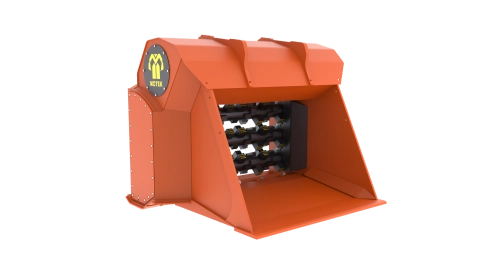
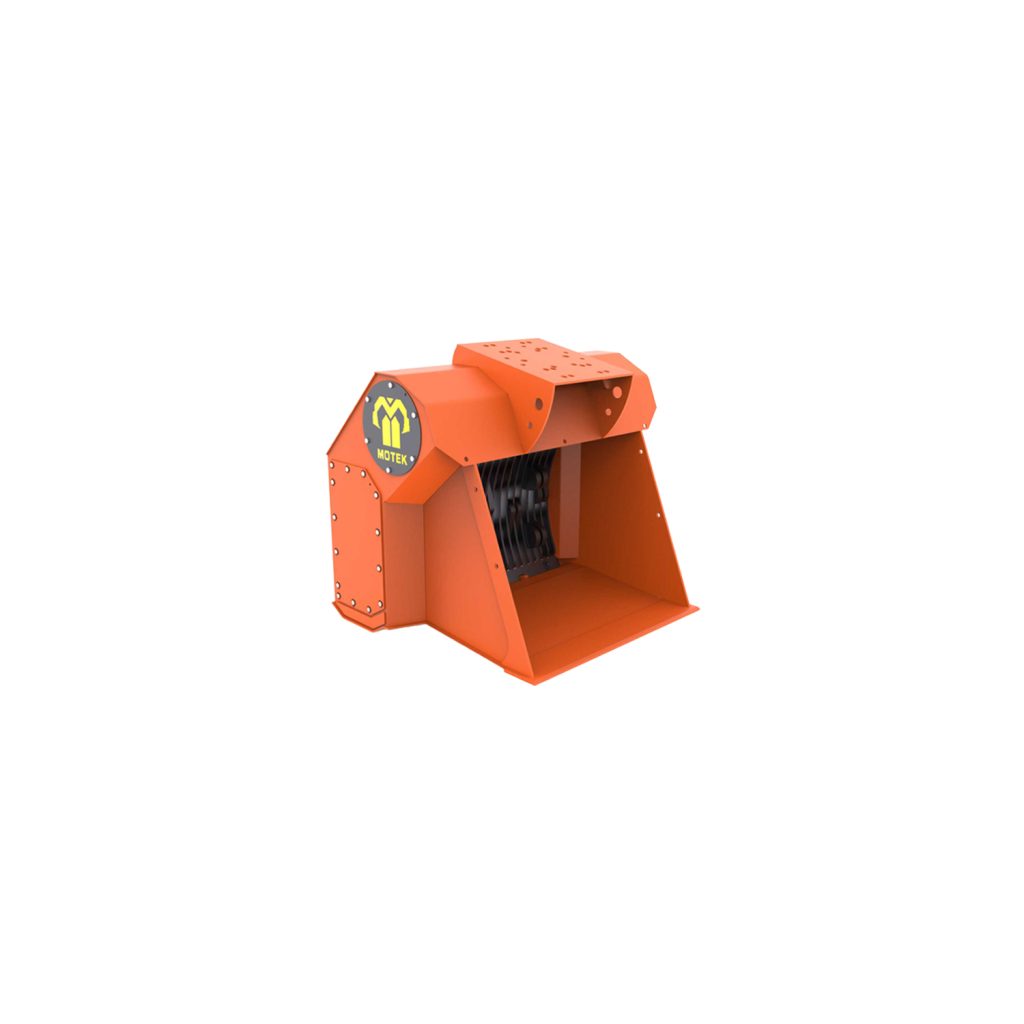
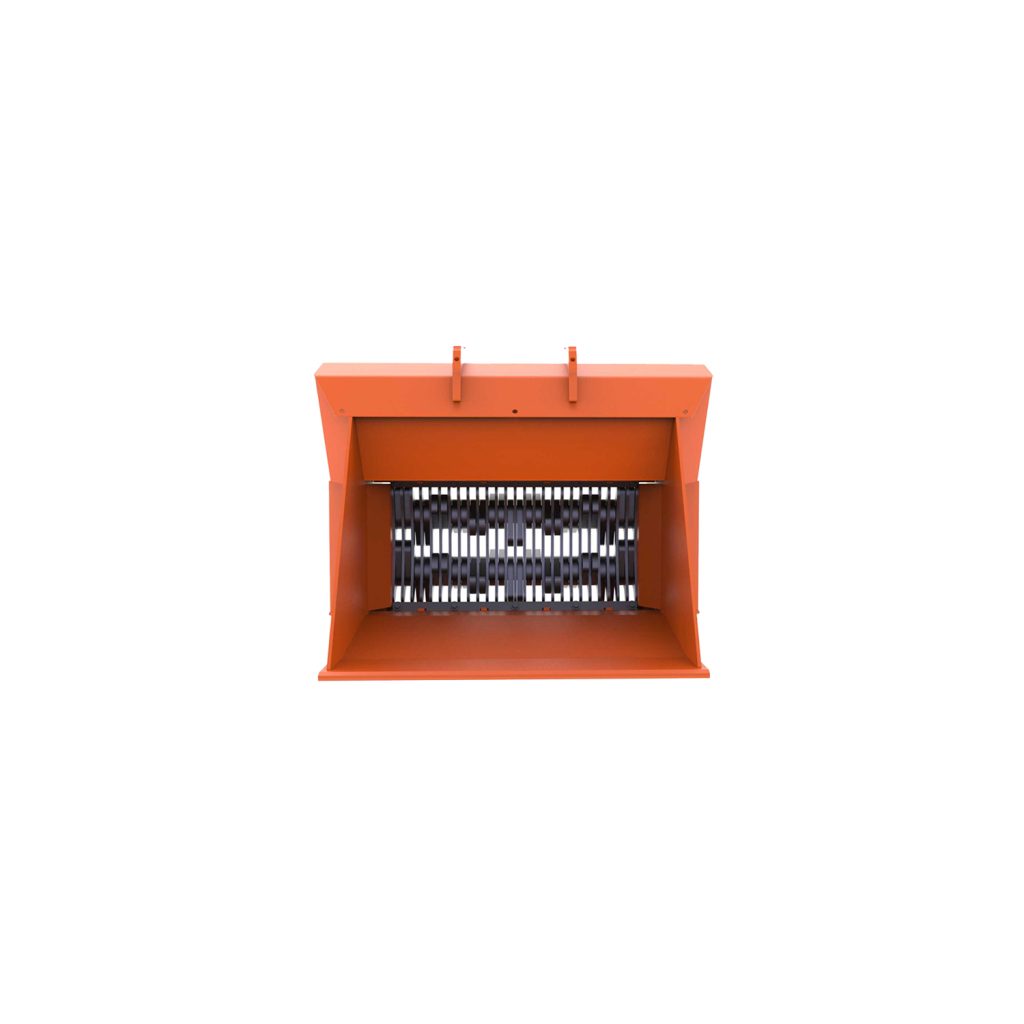
- DB Series Screening Bucket: Designed for screening fine materials, with a discharge particle size of no more than 2 cm. Its self-cleaning structure supports screening operations, while its specially designed grid structure is intended to help separate impurities such as stones and wood from high-viscosity oil sludge
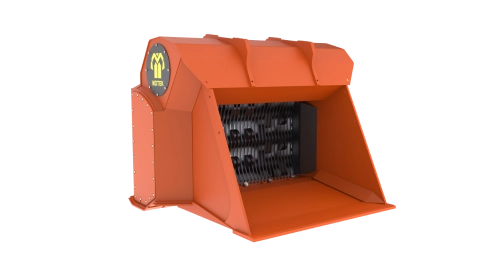
- H Series Screening and Crushing Bucket: Combines screening and crushing functions. It is suitable for processing materials such as ores, construction waste, and mixed aggregates that require both size reduction and separation.
These two series serve different purposes. Buyers should evaluate their material characteristics and processing objectives before deciding which type of attachment is appropriate.
3. Confirm Excavator Compatibility
Equipment compatibility is another important factor when choosing an excavator screening bucket. Even when an attachment meets the required screening function, it must also match the excavator’s specifications.
Key factors include excavator operating weight, hydraulic system requirements, attachment dimensions, and the manufacturer’s recommended equipment range. An unsuitable match may affect operating stability and work efficiency.
For this reason, buyers should provide accurate equipment information when communicating with a manufacturer. Checking the recommended application range of each model helps ensure that the selected attachment is suitable for the intended machine.
4. Evaluate Screening Performance in Real Working Conditions
A manufacturer’s product description should be considered together with the actual working environment. Material moisture, particle size, viscosity, and the presence of unwanted objects can all influence screening performance.
For fine-material applications, the DB Series focuses on screening and separation, with a self-cleaning structure designed to support continuous operation. For materials that require both crushing and screening, the H Series offers a combined solution.
When comparing manufacturers, buyers should ask how the attachment is designed to handle their specific materials. Practical details about material characteristics and operating conditions are more useful than relying on general performance descriptions alone.
5. Consider Maintenance and Long-Term Equipment Support
Maintenance requirements can influence the long-term use of screening attachments. Buyers should understand the attachment’s structural design, routine inspection requirements, and the accessibility of components that may need maintenance.
It is also important to consider whether the manufacturer can provide technical guidance when problems occur. Clear communication, suitable replacement-part support, and after-sales service can help users manage equipment operation more effectively.
A reliable manufacturer should be able to explain the product’s maintenance requirements and provide relevant support throughout its service life.
6. Look at Manufacturing and Customization Capabilities
Different projects may involve different excavator models, materials, and working conditions. Therefore, manufacturing experience and customization capabilities are worth considering when selecting a supplier.
Buyers can learn about a manufacturer’s production process, product development capabilities, and experience with different attachment applications. For projects with specific requirements, it is also useful to confirm whether the manufacturer can discuss suitable product configurations or OEM/ODM cooperation.
These factors help buyers understand whether a manufacturer can support their current requirements as well as potential future projects.
7. Choose a Manufacturer That Provides Ongoing Technical Support
The relationship with a manufacturer should not end when an attachment is delivered. Technical communication, product guidance, and after-sales support are all important parts of the purchasing decision.
Before placing an order, buyers should clarify the available service arrangements, warranty terms, and procedures for obtaining technical assistance. A manufacturer that communicates clearly can make it easier to address questions related to installation, operation, and maintenance.
As a manufacturer of industrial attachments, MOTEK provides different product options for screening and material-processing applications. Its DB Series and H Series address different operational needs, allowing buyers to evaluate the appropriate attachment according to their materials, excavator specifications, and project requirements.
Frequently Asked Questions
1. What should you consider when choosing a rotary screening bucket manufacturer?
When choosing a manufacturer, consider its product range, equipment compatibility, manufacturing capabilities, technical support, and after-sales service. It is also important to confirm whether its screening attachments match your material type and working conditions.
2. What materials can an excavator screening bucket handle?
An excavator screening bucket can be used to separate materials such as soil, sand, stones, and construction waste, depending on its design and screening configuration. The appropriate attachment should be selected according to material size, moisture, and operating requirements.
3. What is the difference between a screening bucket and a screening and crushing bucket?
A screening bucket is mainly designed to separate materials by size. A screening and crushing bucket combines screening and crushing functions, making it suitable for applications where materials need to be reduced in size as well as separated.
4. How do you select the right screening bucket for an excavator?
Check the excavator’s operating weight, hydraulic system, attachment capacity, and working conditions. Matching these factors with the manufacturer’s recommended specifications helps ensure compatibility and efficient operation.
5. Does MOTEK provide different types of screening buckets?
MOTEK offers different screening attachment options, including the DB Series screening bucket and H Series screening and crushing bucket. These product ranges are designed for different material handling and screening requirements. Users can compare their configurations and select a suitable model based on the intended application.