

How to Prevent Crusher Bucket Failures: Maintenance and Inspection Guide?
Release time: 2026-10-27
Table of Contents
A reliable crusher bucket is essential for maintaining efficient crushing operations and reducing unexpected equipment downtime. As a construction machinery attachment manufacturer, Anhui Motek Construction Machinery Co., Ltd. (MOTEK) focuses on the research, development, production, sales, construction, and technical service of equipment for applications such as environmental remediation, soil solidification, and solid waste disposal.
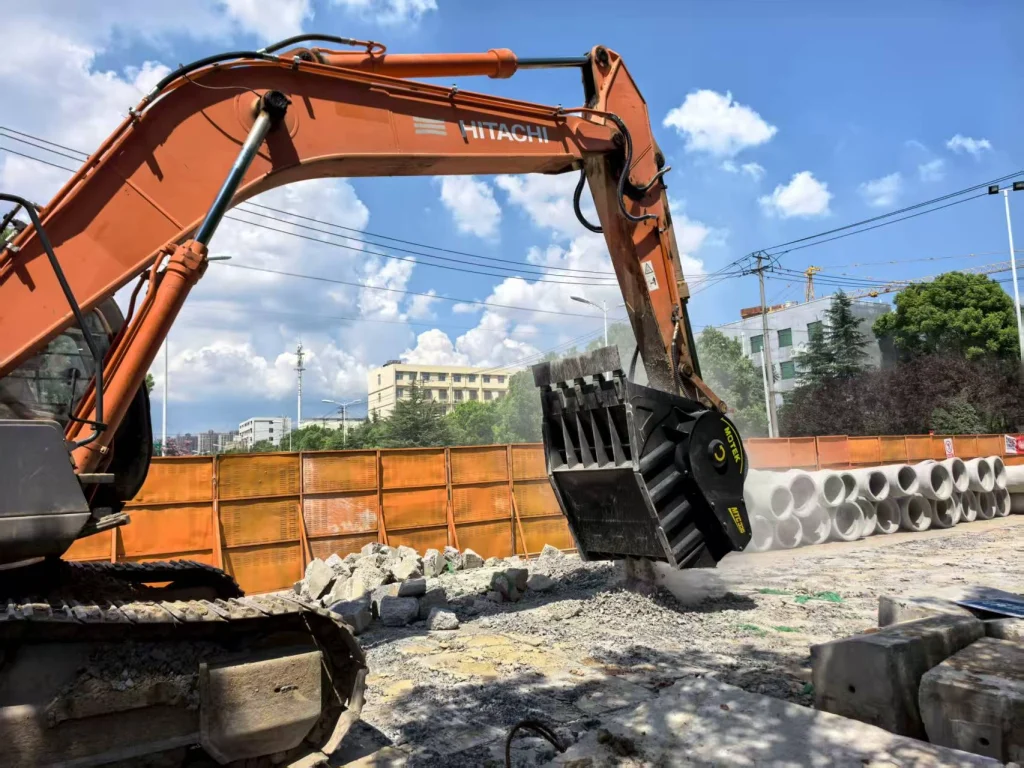
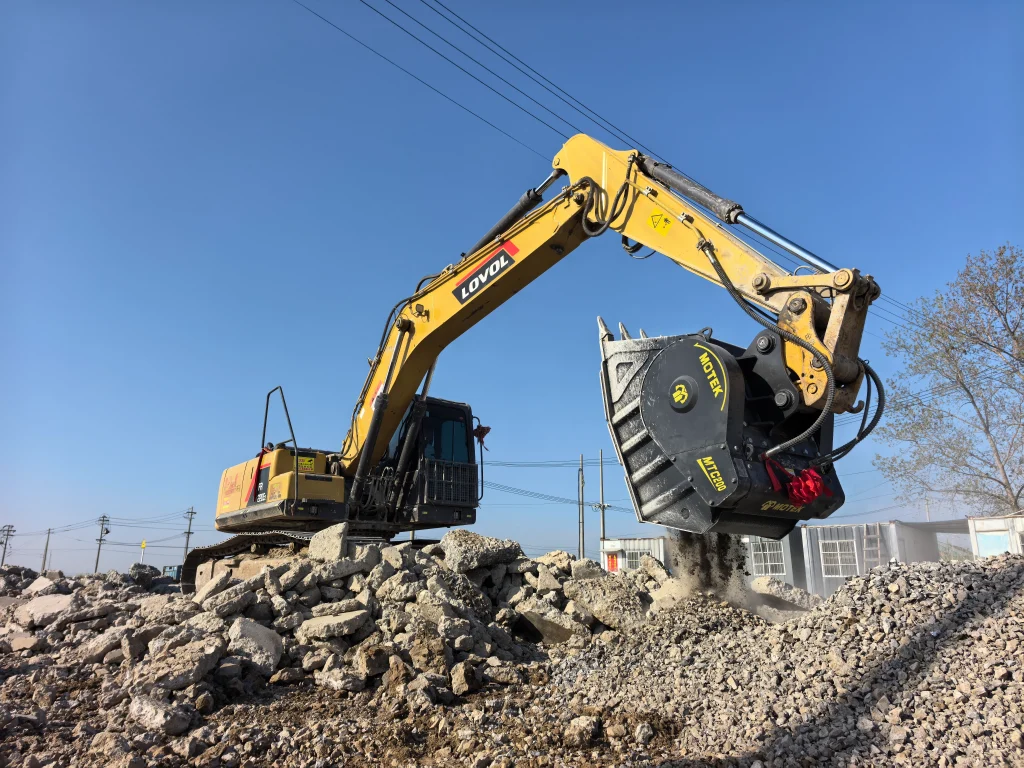
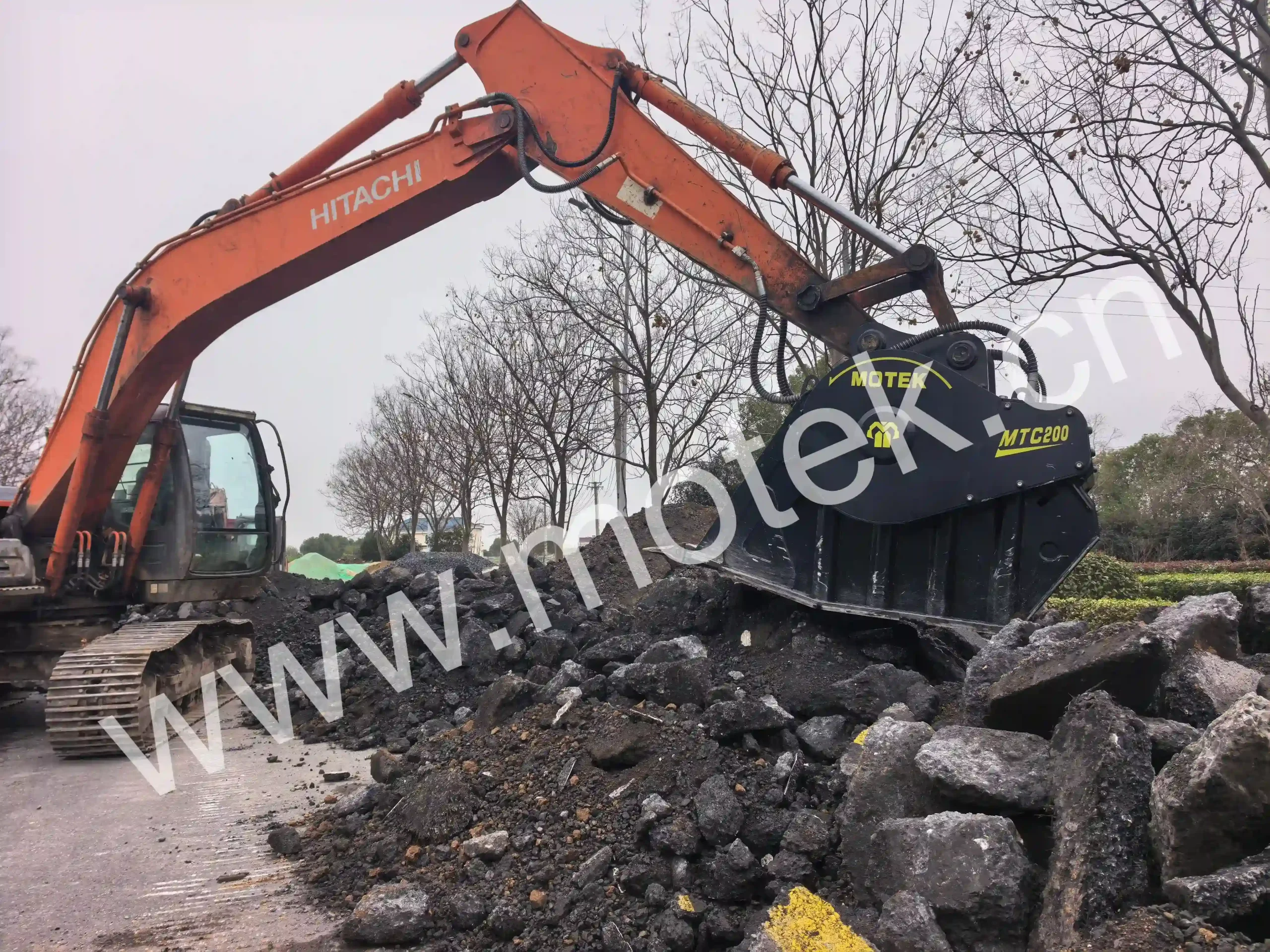
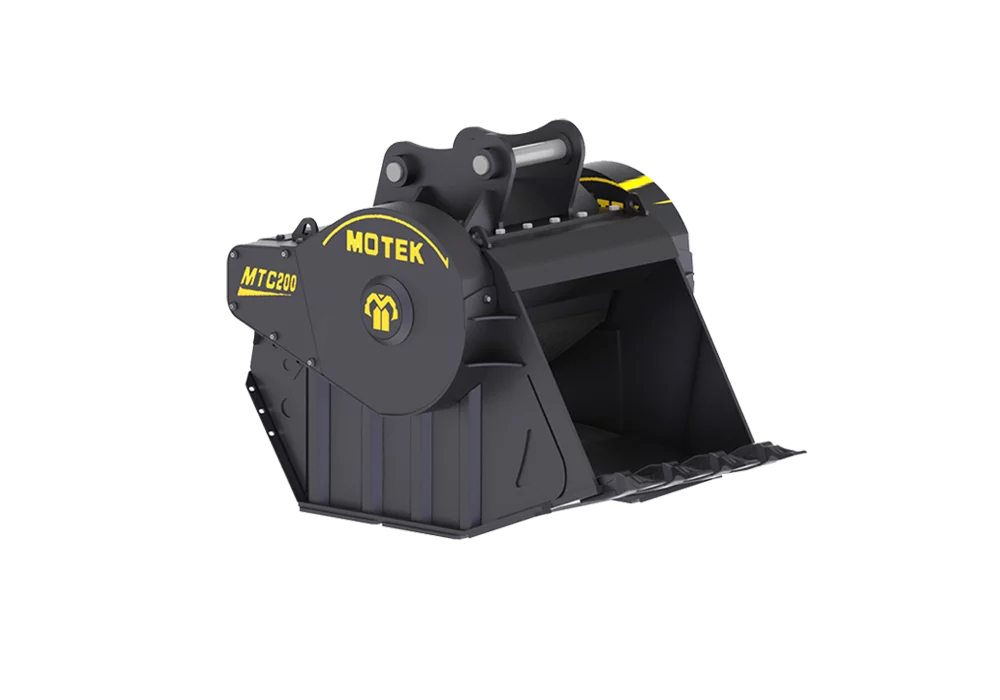
With more than 20 years of industry experience, a professional R&D team, and patented technologies, the company combines manufacturing experience with practical project involvement. This allows its team to understand the operating challenges that attachments face on construction sites and develop products based on real application requirements. Its crusher bucket range includes the MTC200, MTC250, and MTC330 models, designed for different excavator operating capacities.
However, even well-designed equipment requires proper operation and regular maintenance. Understanding common failure causes and establishing a consistent inspection routine can help extend service life and maintain stable performance.
1. Understand the Common Causes of Crusher Bucket Failures
Before carrying out crusher bucket maintenance, operators should understand the factors that may affect equipment performance. Common problems include:
- Component wear: Jaw plates and other crushing components gradually wear down during repeated crushing operations.
- Hydraulic system problems: Incorrect flow or pressure, damaged hoses, and poor hydraulic connections can affect crushing performance.
- Material blockage: Oversized or unsuitable materials may become trapped inside the crushing chamber.
- Loose or damaged components: Continuous vibration and heavy workloads can cause fasteners and structural components to loosen or become damaged.
- Insufficient maintenance: Irregular lubrication, delayed replacement of worn parts, and inadequate cleaning can increase the risk of equipment failure.
Identifying these problems early helps operators prevent minor issues from developing into more serious mechanical or hydraulic failures.
2. Inspect Jaw Plates and Crushing Components Regularly
Jaw plates are among the most important wear components of an excavator crusher bucket. They are exposed to repeated impact and friction during crushing, so their condition directly affects crushing efficiency.
During routine inspections, operators should check for:
- Excessive wear or uneven wear on jaw plates.
- Cracks, deformation, or other visible damage.
- Loose fasteners around the crushing components.
- Material accumulation that may interfere with jaw movement.
For the MTC series, the jaw plates are made from Mn18Cr2Mo material to withstand demanding crushing conditions. The MTC200 also features a reinforced structure and wear-resistant design to support operation under heavy workloads.
If the jaw plates become severely worn or damaged, they should be replaced in time. Continuing to operate with damaged crushing components may reduce efficiency and place additional stress on other parts of the equipment.
3. Check the Hydraulic System
The hydraulic system provides the power required for crushing operations. Incorrect hydraulic settings or poor connections may cause unstable operation, reduced output, or unnecessary wear.
A regular crusher bucket inspection should include the following checks:
- Inspect hydraulic hoses and connections for leakage, cracks, or damage.
- Check whether the hydraulic flow and pressure meet the equipment requirements.
- Confirm that hydraulic connections are secure.
- Check the motor drain line and ensure it is connected correctly.
For the MTC200, the recommended hydraulic flow rate is 150–220 L/min, with hydraulic pressure above 220 bar. The motor drain line should be connected directly to the hydraulic tank.
These requirements are important for maintaining proper hydraulic operation. Operators should always follow the specifications for their particular model rather than applying the same settings to every crusher bucket.
4. Pay Attention to Unusual Noise and Vibration
Changes in operating sound or vibration can indicate developing mechanical problems. Operators should pay attention to abnormal conditions during crushing instead of waiting until the equipment stops working.
Common warning signs include:
- Unusual knocking, grinding, or metallic sounds.
- Stronger vibration than during normal operation.
- Irregular movement of crushing components.
- A noticeable reduction in crushing performance.
If these symptoms appear, stop the equipment safely and inspect the relevant components. Check for loose fasteners, damaged parts, trapped materials, and possible hydraulic problems. Continuing to operate under abnormal conditions may increase component damage and repair costs.
5. Clean and Lubricate the Equipment
Material buildup can interfere with the movement of crushing components and make inspections more difficult. After operation, remove accumulated soil, debris, and other materials from accessible areas of the equipment.
Lubrication is equally important. Operators should follow the recommended lubrication intervals and use suitable lubricants for the specified components. Particular attention should be paid to moving parts and lubrication points that are exposed to dust, moisture, and heavy workloads.
A consistent cleaning and lubrication routine helps reduce unnecessary friction, supports normal component movement, and makes it easier to identify potential problems.
6. Match the Crusher Bucket to the Excavator
Selecting a suitable model is another important factor in preventing equipment problems. A mismatch between the attachment and the excavator may affect hydraulic performance, operating stability, and overall efficiency.
The MTC series covers different excavator weight ranges:
- MTC200: Suitable for excavators weighing 18.5–29 tons.
- MTC250: Suitable for excavators weighing 21–32 tons.
- MTC330: Suitable for excavators weighing 30–50 tons.
Before installation, operators should confirm the excavator’s weight, hydraulic flow, working pressure, and connection requirements. The attachment should operate within the specified range of the selected model.
Choosing the appropriate crusher bucket helps reduce excessive loads and supports more stable operation under actual working conditions.
7. Establish a Regular Inspection Schedule
A practical inspection routine helps operators identify potential problems at different stages of operation. The following schedule can serve as a general reference:
Before operation
- Check the overall structure and connection points.
- Inspect hydraulic hoses and connections.
- Check jaw plates and other visible wear components.
- Remove any material that may obstruct the crushing chamber.
During operation
- Monitor crushing performance and operating sounds.
- Pay attention to abnormal vibration or movement.
- Watch for hydraulic leakage or other visible problems.
- Avoid feeding unsuitable or oversized materials.
After operation
- Clean accumulated materials from accessible areas.
- Check wear components for visible damage.
- Lubricate the designated points according to the maintenance requirements.
- Record any unusual conditions for follow-up inspection.
The inspection frequency should also be adjusted according to material characteristics, operating hours, and working conditions. Equipment used in demanding environments may require more frequent checks.
8. Work with an Experienced Manufacturer
Effective maintenance depends not only on operators but also on product design, technical guidance, and access to appropriate replacement parts. An experienced manufacturer can help users understand equipment requirements and address problems during operation.
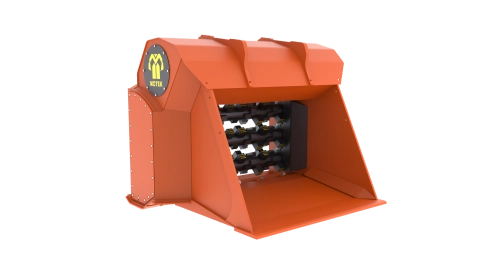
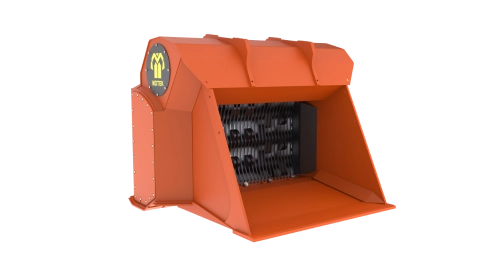
MOTEK has more than 20 years of experience in the construction machinery attachment industry and serves over 800 customers worldwide. Its product range includes screening buckets, screening and crushing buckets, soil improvement systems, and soil processor mixers. The company also provides OEM and ODM services to meet different project requirements.
Importantly, its involvement in actual crushing and demolition projects gives its team practical insight into equipment performance in the field. This experience supports product development and helps connect manufacturing with real operating feedback.
For users, choosing a manufacturer with both technical capabilities and practical application experience can make equipment selection, maintenance planning, and long-term operation more manageable.
Frequently Asked Questions
1. How often should a crusher bucket be inspected?
A basic inspection should be carried out before and after each working shift. During operation, operators should also monitor noise, vibration, and crushing performance. More frequent checks may be necessary under demanding working conditions.
2. What are common signs of crusher bucket problems?
Common warning signs include unusual noise, excessive vibration, reduced crushing efficiency, hydraulic leakage, and visible wear or damage to jaw plates and other components.
3. Why is hydraulic system inspection important for an excavator crusher bucket?
The hydraulic system supplies the power required for crushing. Incorrect flow or pressure, damaged hoses, and improper connections may affect performance and cause equipment problems.
4. When should crusher bucket jaw plates be replaced?
Jaw plates should be replaced when they show excessive wear, cracks, deformation, or other damage that affects crushing performance. Regular inspection helps determine when replacement is necessary.
5. How can operators reduce unexpected crusher bucket downtime?
Operators can reduce downtime by following a regular inspection schedule, keeping the equipment clean and lubricated, monitoring hydraulic conditions, replacing worn components promptly, and using the attachment within its specified operating range.
Conclusion
Preventing equipment failures requires more than occasional repairs. Regular inspections, correct hydraulic settings, timely replacement of worn components, and proper operating practices all contribute to reliable crusher bucket maintenance.
With its experience in attachment manufacturing and practical construction applications, MOTEK provides the MTC200, MTC250, and MTC330 models for different excavator requirements, along with OEM and ODM services. By combining suitable equipment with consistent maintenance practices, operators can better manage equipment wear, reduce unexpected downtime, and maintain stable crushing operations.