


Crusher Bucket Troubleshooting: Common Problems and Solutions
Release time: 2026-10-30
Table of Contents
A crusher bucket is designed to handle demanding on-site crushing tasks, including processing construction waste, concrete blocks, and rocks into smaller, reusable materials. However, changes in working conditions, hydraulic performance, or component wear can affect its operation. When problems occur, identifying the cause quickly is essential to avoiding unnecessary downtime and repair costs.

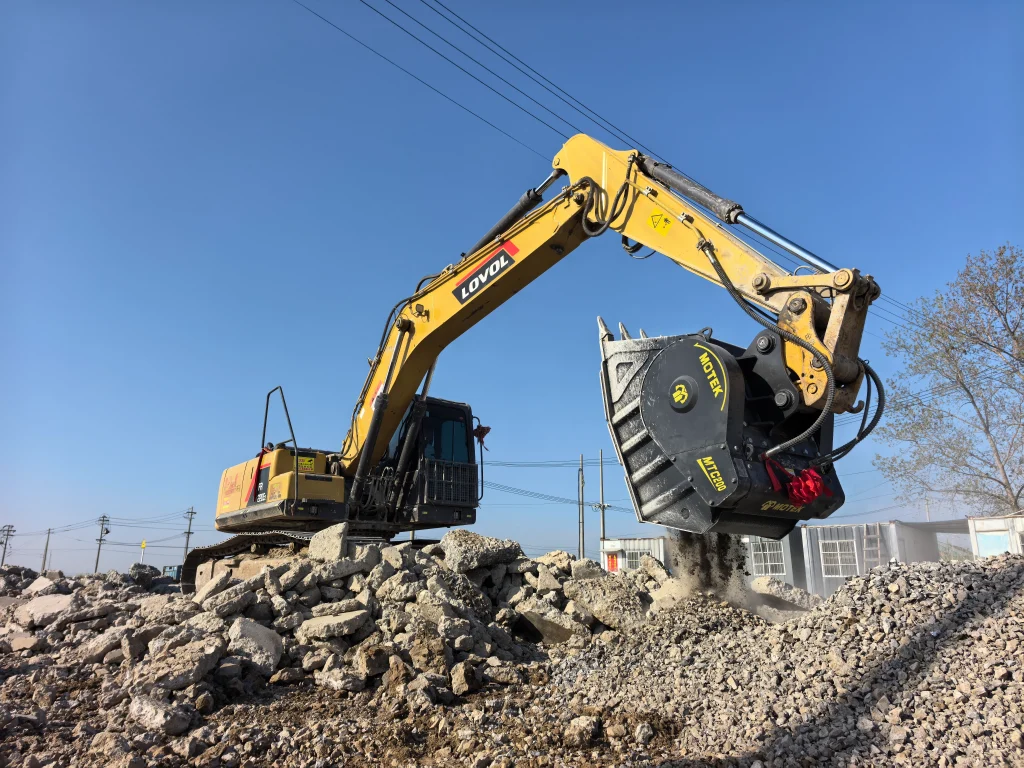

MOTEK is a professional construction machinery attachment manufacturer integrating research and development, production, sales, construction, and technical services. With more than 20 years of industry experience, the company has developed expertise in equipment for crushing, screening, soil improvement, and solid waste processing. Supported by a professional R&D team and patented technologies, it focuses on developing practical attachment solutions for different project requirements. Its experience also comes from direct involvement in construction and demolition projects, allowing product development to draw on feedback from actual working conditions. In addition, the company serves more than 800 customers worldwide and provides OEM and ODM services.
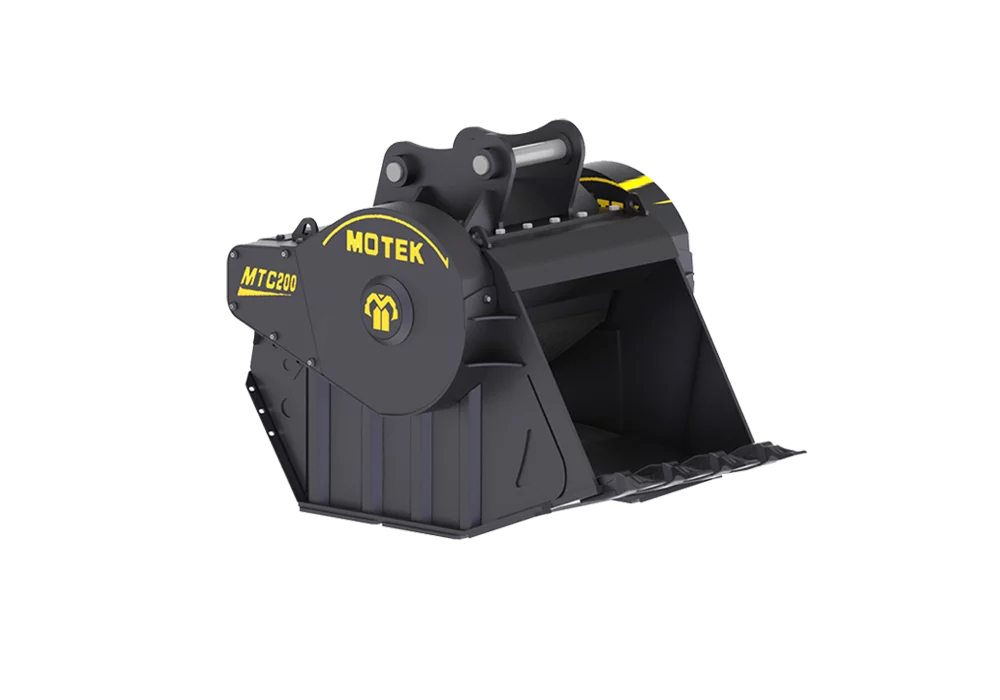
Its crusher bucket range includes the MTC200, MTC250, and MTC330, covering different excavator sizes and crushing applications. Understanding the common problems associated with this equipment can help operators respond more effectively when performance changes.
1. Crusher Bucket Stops Crushing or Has Reduced Output
One of the most noticeable crusher bucket problem is a sudden decrease in crushing efficiency. The equipment may still operate, but the amount of processed material becomes lower than expected.
Possible causes:
- Materials are too large or unsuitable for the crushing chamber.
- Material is not feeding into the crushing area properly.
- Jaw plates have become excessively worn.
- The hydraulic system is not supplying the required power.
- Material has accumulated inside the bucket and restricted normal movement.
Solutions:
First, stop the equipment and check whether material is blocking the crushing chamber. Remove unsuitable or trapped materials before restarting. Next, inspect the jaw plates for uneven or excessive wear. If the crushing components are in good condition, check whether the excavator’s hydraulic flow and pressure meet the requirements of the selected model.
For the MTC200, the recommended excavator hydraulic flow is 150–220 L/min, with hydraulic pressure above 220 bar. Operators should compare the actual hydraulic conditions with the product specifications rather than assuming that all excavators provide sufficient power.
2. Material Gets Stuck Inside the Crushing Chamber
Material blockage is another common issue during crushing operations. It may occur when oversized pieces enter the bucket or when irregular materials become trapped between the jaw plates.
Possible causes:
- Feeding materials that exceed the suitable size for the equipment.
- Irregularly shaped materials becoming wedged in the crushing area.
- Accumulated debris restricting jaw movement.
- Operating conditions that do not match the material being processed.
Solutions:
Stop the crushing operation before attempting to remove trapped material. Follow the equipment’s operating instructions and make sure the bucket is in a safe position before clearing the blockage.
The MTC200 product information specifies that a reverse rotation function is not required. If material becomes jammed, the recommended approach is to empty the bucket and shake it slightly to help release the trapped material. Operators should follow the manufacturer’s instructions and avoid using excessive force or attempting to clear a blockage while the equipment is running.
To reduce the likelihood of repeated blockages, control the material feed and avoid introducing pieces that are unsuitable for the crushing chamber.
3. Hydraulic System Problems Affect Bucket Performance
The hydraulic system directly affects the movement of the crushing mechanism. If hydraulic flow or pressure is insufficient, the bucket may operate inconsistently or fail to deliver the expected crushing performance.
Possible causes:
- Hydraulic flow is below the required level.
- Working pressure does not meet the equipment specifications.
- Hydraulic hoses or fittings are damaged or leaking.
- The motor drain line is connected incorrectly.
- The excavator’s hydraulic configuration does not match the attachment requirements.
Solutions:
Start by checking the excavator’s hydraulic output and comparing it with the requirements of the crusher bucket. Inspect hoses, fittings, and connection points for visible damage or leakage. If the hydraulic supply is insufficient, the excavator’s hydraulic configuration may need to be checked by a qualified technician.
For the MTC200, the motor drain line must be connected directly to the hydraulic tank. The product also uses a one-way hydraulic line, and a single excavator hydraulic pump is sufficient for normal operation according to the product’s technical information.
Correct hydraulic connections are important for stable operation. If the problem continues after the basic checks, arrange a professional inspection instead of repeatedly adjusting the hydraulic settings without confirming the cause.
4. Jaw Plates Wear Too Quickly
Jaw plates are exposed to repeated impact and friction during crushing. Their condition has a direct effect on crushing performance and the consistency of the processed material.
Possible causes:
- Processing highly abrasive materials for extended periods.
- Continuous operation under demanding working conditions.
- Feeding materials that are unsuitable for the equipment.
- Delayed inspection or replacement of worn components.
Solutions:
Inspect the jaw plates for uneven wear, cracks, deformation, and other visible damage. If the wear has affected crushing performance or the condition of the components, replacement may be necessary.
The MTC200 uses Mn18Cr2Mo wear-resistant jaw plates and a reinforced crushing structure made with Baosteel NM400/NM500 steel. These material and structural choices are intended to support durability under demanding crushing conditions.
Operators should still inspect the wear components according to actual working conditions. Even wear-resistant parts require replacement when they reach the end of their service life.
5. Unusual Noise or Excessive Vibration
A sudden change in operating noise or vibration should not be ignored. Although some sound and vibration are normal during crushing, unusual changes may indicate a mechanical issue.
Possible causes:
- Loose fasteners or connections.
- Damaged or worn crushing components.
- Material trapped inside the crushing chamber.
- Irregular movement of the jaw mechanism.
- An installation or connection problem.
Solutions:
Stop the equipment and inspect the visible structural components, fasteners, and crushing area. Check whether any parts have become loose or damaged, and remove trapped material if necessary.
If the noise or vibration continues after these checks, the internal mechanism or hydraulic system may require further inspection by a qualified technician. Operators should avoid continuing heavy-duty work when the source of abnormal vibration has not been identified.
6. Crusher Bucket Does Not Match the Excavator
Sometimes, the problem does not come from a damaged component. Instead, the attachment may not be properly matched with the excavator.
An unsuitable combination can affect hydraulic performance, operating stability, and the overall efficiency of crushing operations.
The MTC series includes three models for different excavator weight ranges:
- MTC200: Suitable for excavators weighing 18.5–29 tons.
- MTC250: Listed for excavators weighing 21–32 tons on the product category page.
- MTC330: Suitable for excavators weighing 30–50 tons.
Before installation, operators should confirm excavator weight, hydraulic flow, working pressure, and connection requirements. These specifications should be checked together rather than relying on excavator tonnage alone.
If the bucket performs poorly despite having no obvious mechanical damage, reviewing equipment compatibility is a practical troubleshooting step.
7. When Should Operators Seek Technical Support?
Not every operating problem can be resolved through basic on-site checks. Some issues involve internal components, hydraulic motors, or structural damage and require professional diagnosis.
Operators should seek technical support when:
- The crushing mechanism continues to operate abnormally after material blockages are cleared.
- Hydraulic leakage cannot be identified or resolved through basic checks.
- Jaw plates or structural components show serious damage.
- Abnormal noise or vibration continues after loose parts and trapped materials have been ruled out.
- The equipment repeatedly experiences the same problem.
Providing the manufacturer with the model number, excavator information, working conditions, and a clear description or video of the problem can help the technical team understand the situation more efficiently.
MOTEK provides OEM/ODM services and technical support for different application requirements. Its experience in equipment development and actual construction projects helps connect product design with the challenges encountered during field operations.
Frequently Asked Questions
1. What should I check first when a crusher bucket stops working properly?
Start by checking for material blockages, visible component damage, and loose connections. Then confirm whether the excavator’s hydraulic flow and pressure meet the requirements of the attachment.
2. Why does my crusher bucket keep getting jammed?
Repeated blockages may result from oversized materials, irregular material shapes, or unsuitable feeding conditions. Check the crushing chamber and adjust the material feed to match the equipment’s operating requirements.
3. Can a crusher bucket work with any excavator?
No. The excavator must meet the attachment’s requirements for operating weight, hydraulic flow, pressure, and connection configuration. These specifications should be confirmed before installation.
4. How do I know if crusher bucket jaw plates need replacing?
Look for excessive or uneven wear, cracks, deformation, and reduced crushing performance. If the condition of the jaw plates affects normal operation, they should be inspected and replaced when necessary.
5. When should I contact the manufacturer for troubleshooting?
Contact the manufacturer when problems persist after basic checks, when hydraulic or internal mechanical faults are suspected, or when structural components show serious damage. Technical guidance can help identify the cause and prevent incorrect repairs.
Conclusion
Effective crusher bucket troubleshooting starts with recognizing abnormal operating conditions and identifying their underlying causes. Reduced output, material blockages, hydraulic problems, jaw plate wear, and excessive vibration each require a different approach. Checking the equipment systematically is more effective than replacing parts or changing operating settings without a clear diagnosis.
With more than 20 years of experience in construction machinery attachments, MOTEK combines R&D capabilities, manufacturing expertise, and practical project experience to serve customers in different markets. Its MTC200, MTC250, and MTC330 crusher buckets provide options for different excavator applications, while its OEM/ODM services support customized project requirements. By bringing product development, technical support, and real-world application experience together, the company aims to provide dependable attachment solutions and long-term support for customers’ crushing operations.

