

What Hydraulic Specifications Should You Check Before Buying a Screening Bucket?
Release time: 2026-11-03
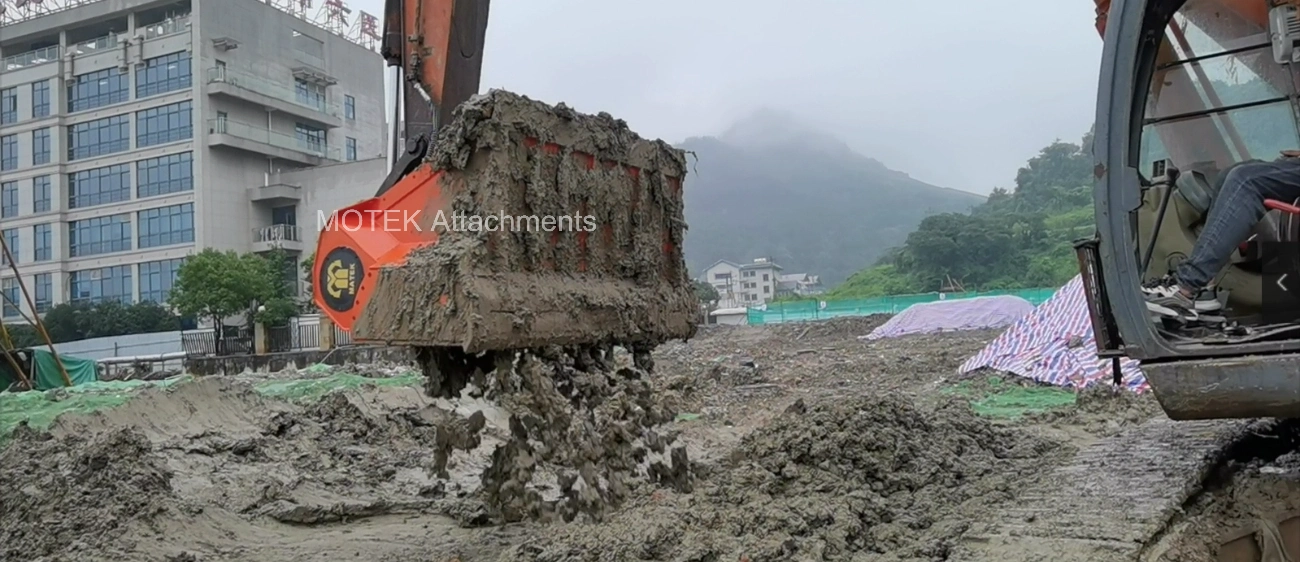
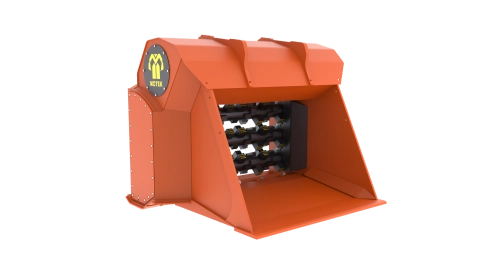
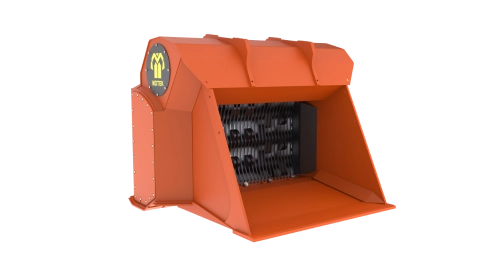
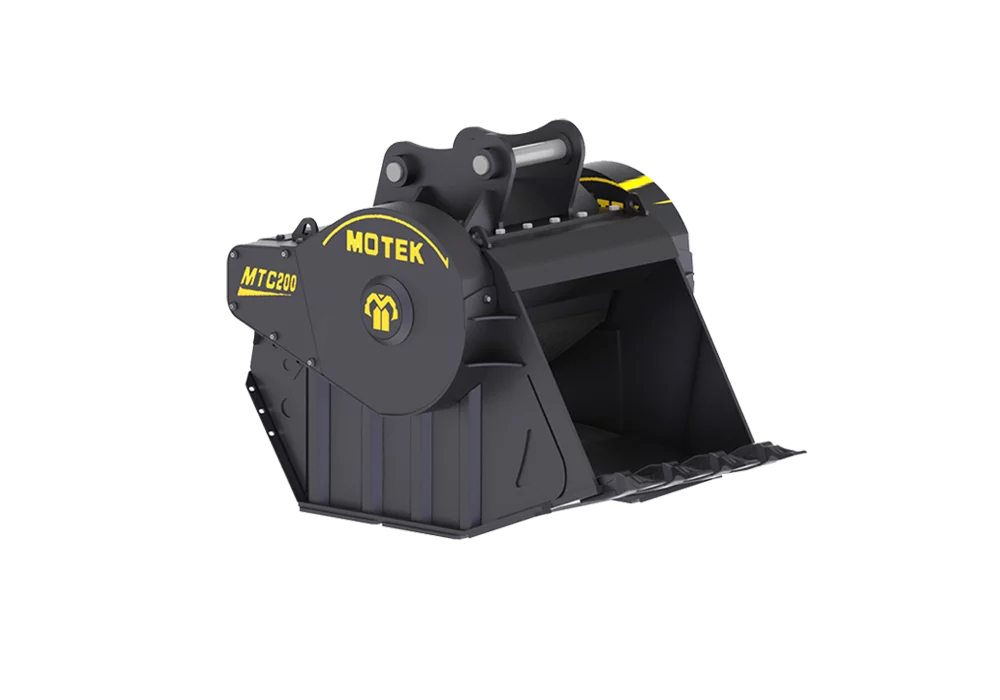
Are you planning to purchase a screening bucket for your excavator? Before placing an order, checking hydraulic compatibility is essential to ensure reliable attachment performance. Different screening bucket models may require different hydraulic flow rates, operating pressures, and hose configurations. Choosing an attachment without verifying these specifications can result in installation difficulties and reduced working efficiency. This guide explains the key hydraulic parameters buyers should evaluate before selecting a screening bucket for their construction or material processing projects.
Hydraulic Flow Rate (L/min or GPM)
Hydraulic flow rate is one of the most important specifications to check before purchasing a screening bucket. It determines how much hydraulic oil is delivered to the attachment motor within a specific period.
Insufficient flow may cause the screening mechanism to operate too slowly, reducing screening efficiency and material processing capacity. Excessive flow, on the other hand, may result in motor overspeed and unnecessary wear if the attachment is not designed to handle it.
Buyers should compare the excavator’s auxiliary hydraulic flow rate with the screening bucket manufacturer’s recommended operating range.
Hydraulic Operating Pressure (Bar or PSI)
Hydraulic pressure determines the force available to drive the screening bucket’s hydraulic motor.
If the excavator cannot provide sufficient operating pressure, the attachment may struggle when processing heavy, wet, or compacted materials. However, pressure exceeding the attachment’s rated limit can increase the risk of hydraulic component damage.
Before purchasing, check:
- Excavator auxiliary circuit operating pressure.
- Screening bucket’s required working pressure.
- Hydraulic relief valve settings.
- Maximum allowable pressure of the attachment motor.
Always follow the manufacturer’s recommended pressure range rather than adjusting the hydraulic system without technical guidance.
Hydraulic Hose Connections and Auxiliary Circuits
Hydraulic compatibility also depends on the excavator’s auxiliary hydraulic configuration.
Different excavator screening buckets may require different hydraulic connection arrangements depending on their motor and drive systems.
Buyers should confirm:
- Hydraulic hose size and connection type.
- Number of required hydraulic lines.
- Auxiliary circuit availability.
- Coupler compatibility.
- Correct oil supply and return connections.
Confirming these details before delivery helps avoid installation problems and unnecessary modifications.
Hydraulic Return Flow and Case Drain Requirements
Hydraulic return configuration is another important consideration, especially for screening buckets equipped with hydraulic motors.
Some hydraulic motors require a dedicated case drain line to return internal leakage oil safely to the hydraulic tank.
Buyers should confirm whether the screening bucket requires:
- Standard hydraulic return lines.
- A dedicated case drain connection.
- Low-pressure return capability.
- A suitable return filtration system.
Incorrect return connections or excessive back pressure may cause motor overheating, seal damage, and reduced equipment service life.
Excavator Hydraulic Power and Machine Compatibility
Even when hydraulic flow and pressure meet the attachment requirements, the excavator must also have sufficient hydraulic power to operate the screening bucket effectively.
Hydraulic power is related to both flow rate and operating pressure. A suitable hydraulic configuration helps ensure that the attachment receives adequate power without placing unnecessary demands on the excavator system.
In addition, buyers should evaluate excavator operating weight, lifting capacity, attachment weight, and hydraulic system condition.
For example, a screening bucket designed for a larger excavator may not be suitable for a smaller carrier machine, even if some hydraulic parameters appear compatible.
Hydraulic Specifications Checklist Before Purchasing
Before placing an order, contractors and equipment distributors should request the following technical information from the screening bucket manufacturer.
| Hydraulic Specification | What to Confirm |
|---|---|
| Hydraulic Flow Rate | Required minimum and maximum flow |
| Working Pressure | Recommended operating pressure range |
| Maximum Pressure | Maximum allowable system pressure |
| Hydraulic Connections | Hose size, coupler type, and connection quantity |
| Return Line | Required return configuration and back pressure limits |
| Case Drain | Whether a dedicated case drain line is required |
| Hydraulic Motor | Motor specifications and operating requirements |
| Excavator Compatibility | Recommended machine tonnage and hydraulic configuration |
Providing the excavator model and hydraulic specifications to the manufacturer before purchasing can help identify compatibility issues and reduce installation risks.
Choose the Right Screening Bucket with Motek
Hydraulic compatibility is one of the most important factors when purchasing a screening bucket. Even a high-performance attachment may fail to deliver the expected results if its hydraulic flow, operating pressure, or return line configuration does not match the excavator. Therefore, providing accurate machine specifications before purchasing can help reduce compatibility risks and improve overall operating efficiency.
Motek is committed to providing efficient, durable, and reliable excavator attachment solutions for contractors, equipment distributors, and rental companies. With more than 10 years of innovative patented technologies and iterative R&D experience, Motek supports customers in finding suitable screening bucket configurations for different excavator models and material processing requirements.
Looking for a reliable screening bucket supplier? Contact Motek at info@motek.cn today. Share your excavator model, hydraulic flow rate, and operating pressure with our team to explore the right screening bucket solution for your project.
Author

Gershon Zhou
MOTEK R&D Director With 18 years of focused experience in the construction machinery attachment industry. As a National Certified Senior Engineer, he is a well-recognized technical leader in the field of earthmoving machine attachments.