

The Core Value of MOTEK Screening Bucket in Cured Soil Pre-treatment
Release time: 2026-10-13
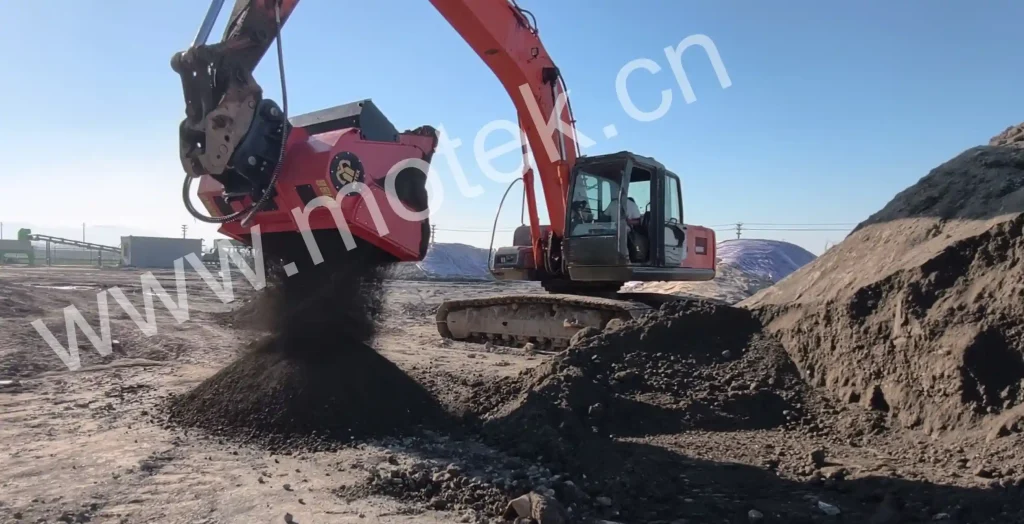
Table of Contents
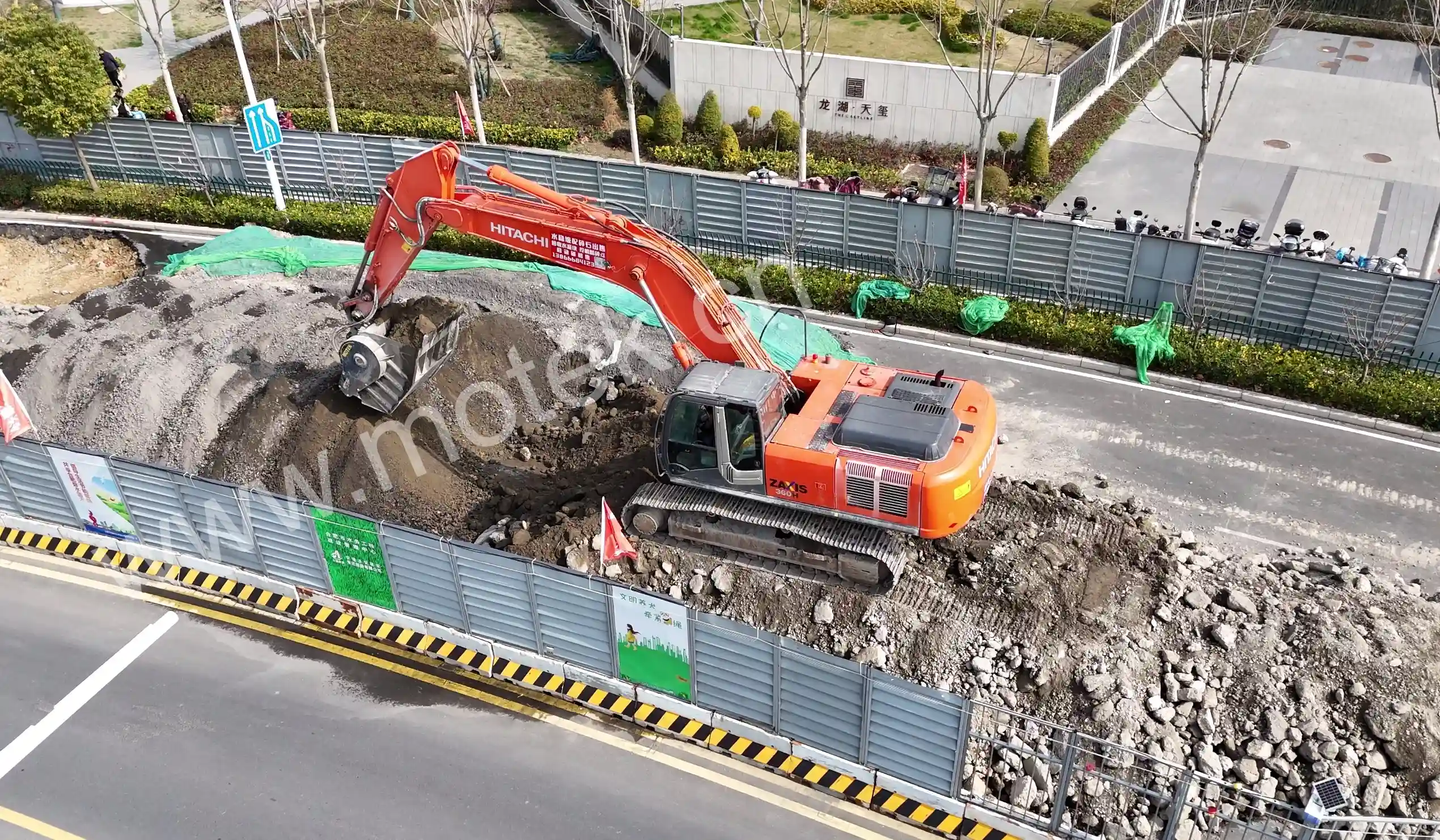
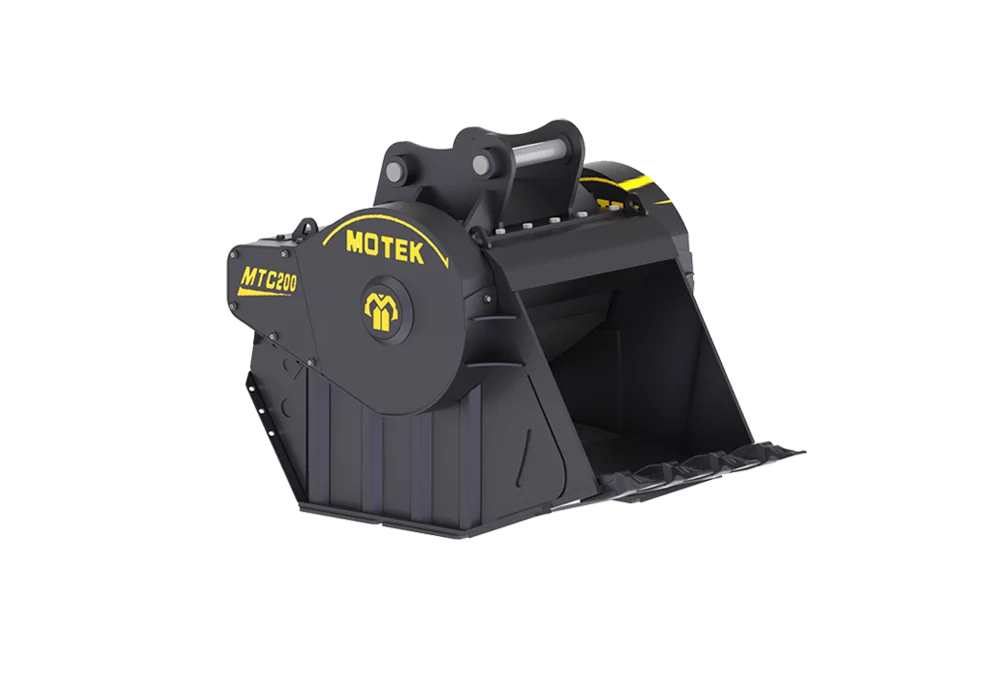
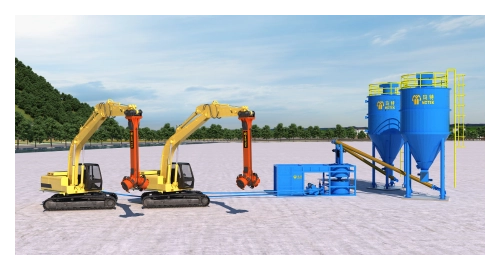
In soil stabilization, foundation treatment, and various geotechnical engineering projects, the processing of cured soil is often the key link determining the final quality of the project. However, on actual job sites, engineers and construction teams frequently face a headache: raw excavated soil contains large quantities of soil clods, rocks, and aggregates of varying sizes. If these large particles are fed directly into curing machines, they not only cause uneven mixing but are also highly likely to clog the feed hoppers, jam screw conveyors, and even damage core mechanical components, leading to prolonged downtime for maintenance and expensive repair costs. To address this pain point, efficient front-end pre-treatment equipment is essential. The MOTEK MTS317 DB25 Screening Bucket, with its superior design philosophy and robust operational performance, has become an indispensable “gatekeeper” in the cured soil pre-treatment process, thoroughly eliminating the risk of large soil clods blocking curing machines through precise pre-screening and efficient crushing capabilities.
I. The “Invisible Killer” in Cured Soil Processing: The Hazards of Large Soil Clods
Before delving into the technical advantages of the MOTEK MTS317 DB25, we need to understand why pre-screening cured soil is so critical. Soil stabilization technology typically involves mixing cement, lime, or other chemical stabilizers with soil to improve its bearing capacity and stability. This process has strict requirements for material particle size.
When the excavated native soil contains large quantities of uncrushed soil clods, direct feeding introduces multiple risks. First is physical blockage; the feed hoppers and mixing blades of curing machines are usually designed with precision, and large soil clods can easily get stuck in the feed inlet, interrupting material flow and forcing operators to stop frequently for cleaning. Second is uneven mixing; large clods often enclose raw soil that has not come into contact with the stabilizer, creating an “under-cured” phenomenon that leads to uneven strength distribution in the stabilized foundation, leaving behind quality hazards. Finally, there is mechanical wear; hard rocks or dry, compacted soil clods cause severe impact on mixing arms and liners during high-speed mixing, significantly shortening the equipment’s service life. Therefore, implementing a strict “inspection” and “crushing” procedure for the soil before it enters the main curing unit is a prerequisite for ensuring the smooth progress of the entire project.
II. MOTEK MTS317 DB25: A Screening Powerhouse Built for Harsh Working Conditions
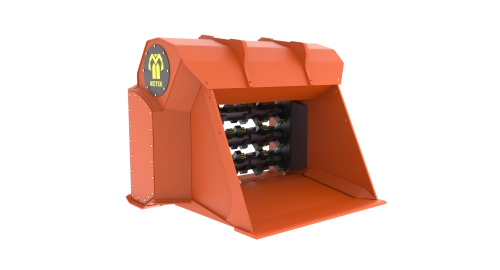
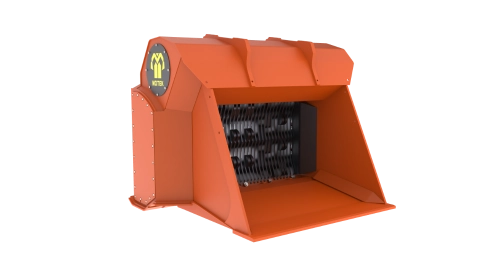
The MOTEK brand has long been renowned for producing high-quality, highly durable attachments, and the MTS317 DB25 Screening Bucket is the culmination of this philosophy. This equipment is not merely a simple filter mesh but a comprehensive processing unit integrating screening, crushing, and separation functions. The “DB25” in its model number often implies specific specification adaptability and powerful processing capacity, designed specifically to handle complex and variable soil conditions.
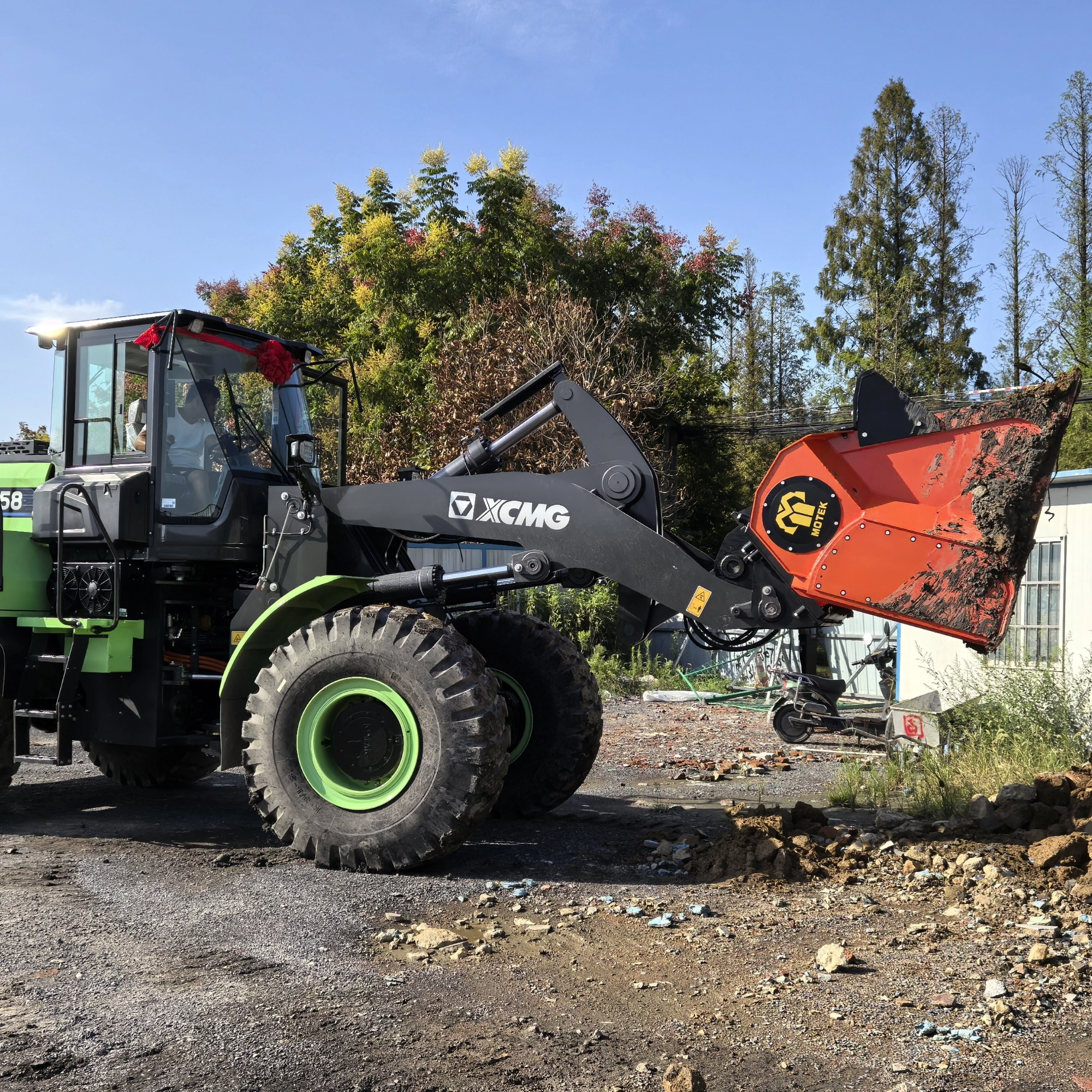
The core advantage of this screening bucket lies in its unique trommel or vibrating screening structure (depending on the mounting configuration), paired with high-strength wear-resistant steel manufacturing. When handling cured soil, it first acts as a massive “filter.” As a loader or excavator scoops raw soil into the bucket, or when feeding via a conveyor belt, the MTS317 DB25 utilizes its power system to drive the screen mesh. Fine soil particles that meet the curing machine’s feed requirements quickly pass through the screen holes and drop into the next process; meanwhile, oversized soil clods, rocks, plant roots, and other debris are retained on the screen surface.
III. Dynamic Crushing Mechanism: Turning “Obstacles” into “Resources”
If the equipment merely intercepted large soil clods, construction personnel would still need to arrange additional labor or equipment to handle this waste, which would obviously reduce efficiency. The true brilliance of the MOTEK MTS317 DB25 lies in its powerful ability to “crush soil clods.”
During the screening process, the special structural design within the equipment, or accompanying crushing rollers/chain devices, exerts immense mechanical force on the retained large clods. For the dry, hard soil clods common in cured soil, this force is sufficient to instantly shatter and grind them. Once a clod is crushed to a size smaller than the screen aperture, it immediately passes through the mesh, becoming qualified fine material. This means that hard soil clods, which might otherwise be considered waste, are transformed back into usable cured soil原料 after processing by the MTS317 DB25.
This integrated “screening + crushing” operational mode greatly improves soil utilization rates. Contractors no longer need to worry about discarding large amounts of native soil due to oversized clods, nor do they need to configure a separate crusher specifically for breaking up clods. The MTS317 DB25 completes primary crushing simultaneously with pre-screening, ensuring that every particle of soil entering the curing machine meets the ideal particle size standard.
IV. Preventing Blockages and Enhancing Curing Efficiency: Practical Benefits
Introducing the MOTEK MTS317 DB25 Screening Bucket into the cured soil processing workflow yields the most direct result: completely solving the blockage problem of curing machines. With strict control over the particle size of materials entering the main unit, the smoothness of feeding achieves a qualitative leap. The curing machine can operate continuously under optimal load, without the need for frequent stops to clear jams. This continuous operation not only boosts output per shift but also ensures the uniformity of the cured soil mixing, as fine particles are easier to contact and react fully with the stabilizer.
From an economic perspective, although a pre-treatment step is added, the MTS317 DB25 is actually “saving money” for the project. It reduces the failure rate and maintenance costs of the main curing unit, lowering the risk of schedule delays caused by downtime. Furthermore, because soil clods are effectively crushed and utilized, it reduces the cost of transporting waste soil off-site and purchasing new soil. For modern engineering projects pursuing high efficiency, this return on investment is extremely attractive.
V. Rugged Durability, Adapting to Diverse Global Construction Environments
Considering that users may operate in different regions and under varying climatic conditions, the MOTEK MTS317 DB25 was designed with durability and adaptability in mind from the outset. Its structural components are typically manufactured from high-grade wear-resistant steel, capable of withstanding the abrasion and impact of high-intensity operations. Whether processing moist, heavy clay or dry, hard sandy soil, the equipment maintains stable performance output.
Additionally, its modular design and convenient maintenance interfaces make daily upkeep simple and quick. Even in remote construction sites, operators can easily perform lubrication and inspections to ensure the equipment remains in optimal working condition. This reliability is precisely the key factor that has allowed the high-end attachment brand MOTEK to earn its reputation in the global market.
In summary, the MOTEK MTS317 DB25 Screening Bucket is not just a simple accessory; it is core equipment for improving efficiency, guaranteeing quality, and reducing costs in the cured soil processing craft. Through efficient pre-screening and powerful soil clod crushing functions, it successfully eliminates the risk of large particle blockages in curing machines at the source, paving the way for subsequent curing operations. In the increasingly competitive field of construction machinery and geotechnical engineering, choosing the MOTEK MTS317 DB25 means choosing a more efficient, stable, and intelligent construction future.