

Чи існують різні моделі обладнання для покращення ґрунту, що підходять для операцій на малих та великих площах?
Час виходу: 21.07.2026
Зміст
Не всі проекти з покращення ґрунту однакові. Невелика теплиця потребує іншого рішення, ніж будівельний майданчик автомагістралі, а реконструкція поля для гольфу має зовсім інші вимоги, ніж проект рекультивації гірничих родовищ. Вибір правильного обладнання для покращення ґрунту значною мірою залежить від розміру робочої зони, стану ґрунту, цілей проекту та бюджету.
Сучасні виробники пропонують широкий асортимент машин для покращення ґрунту, спеціально розроблених як для компактних робочих місць, так і для великомасштабних операцій. Розуміння відмінностей між цими моделями може значно підвищити продуктивність, одночасно зменшуючи експлуатаційні витрати.
У цьому посібнику ми розглянемо різні типи обладнання для покращення ґрунту, їх ідеальне застосування та те, як вибрати найкращу машину для вашого проекту.
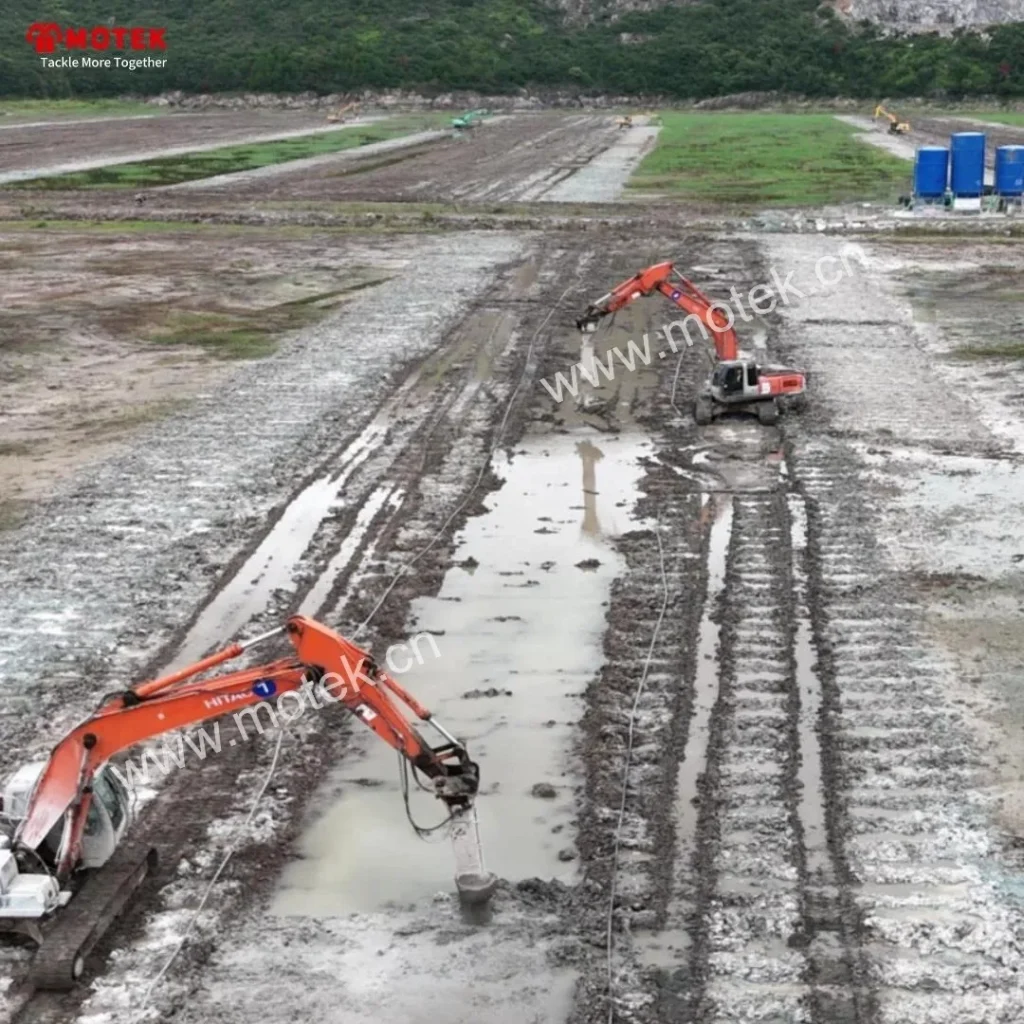
Чому різні розміри проектів потребують різного обладнання
Покращення ґрунту передбачає модифікацію існуючого ґрунту для підвищення його міцності, дренажу, родючості або несучої здатності. Методи можуть включати:
- Змішування ґрунту
- Стабілізація ґрунту
- Глибоке розпушування
- Подрібнення твердого ґрунту
- Додавання цементу або вапна
- Включення органічної речовини
- Кондиціонування вологи
Однак ефективне виконання цих завдань залежить від використання обладнання, розмір якого відповідає робочій зоні.
Наприклад:
- Винограднику не потрібен самохідний стабілізатор потужністю 400 кінських сил.
- Підрядник з будівництва доріг не може покладатися на компактний роторний культиватор для тисяч квадратних метрів.
Правильне обладнання покращує:
- Продуктивність
- Ефективність використання палива
- Якість змішування
- Експлуатаційні витрати
- Час завершення проекту
Обладнання для покращення ґрунту для невеликих робіт
Машини для невеликої площі призначені для проектів, де маневреність, точність та нижчі експлуатаційні витрати важливіші за максимальну продуктивність.
Типові робочі зони
Невелике обладнання для покращення ґрунту ідеально підходить для:
- Сади
- Теплиці
- Ландшафтні проекти
- Житлове будівництво
- Малі ферми
- Парки
- Спортивні поля
- Муніципальне обслуговування
- Відновлення траншеї комунальних послуг
Звичайні малі машини для покращення ґрунту
1. Компактні роторні культиватори
Компактні роторні культиватори розпушують ущільнений ґрунт і змішують добрива або органічні матеріали з землею.
Переваги включають:
- Легке транспортування
- Низька витрата палива
- Відмінна маневреність
- Просте обслуговування
2. Міні-ґрунтозмішувачі
Міні-ґрунтозмішувачі зазвичай використовуються для:
- Ландшафтний дизайн
- Підготовка дитячої кімнати
- Вирощування в теплицях
- Невеликі фундаментні проекти
Ці машини забезпечують чудову рівномірність змішування під час роботи в обмеженому просторі.
3. Навісне обладнання для покращення ґрунту
Багато сільськогосподарських користувачів віддають перевагу техніці для покращення ґрунту з приводом від ВОМ, що приєднується до компактних тракторів.
Переваги включають:
- Нижчі інвестиційні витрати
- Багатоцільове використання
- Легка заміна насадок
- Підходить для сезонної роботи
Переваги невеликих моделей
Машини для невеликих площ мають кілька переваг:
- Нижча ціна закупівлі
- Зниження витрат на технічне обслуговування
- Легке транспортування
- Мінімальне порушення ґрунту
- Кращий доступ до обмежених просторів
- Менша витрата палива
Ці машини особливо привабливі для підрядників, які виконують кілька невеликих проектів.
Обладнання для покращення ґрунту для великих площ
Масштабні проекти з покращення ґрунту вимагають обладнання, здатного швидко обробляти великі площі, зберігаючи при цьому стабільну якість ґрунту.
Ці машини надають перевагу:
- Висока кінська сила
- Велика робоча ширина
- Можливість глибокого змішування
- Безперервна робота
Типові застосування
Велике обладнання для покращення ґрунту зазвичай використовується в:
- Будівництво автомагістралей
- Розвиток аеропорту
- Залізнична інфраструктура
- Промислові парки
- Рекультивація гірничих робіт
- Великі сільськогосподарські ферми
- Проєкти вітрової та сонячної енергетики
- Будівництво дамби
- Розвиток порту
Звичайні великі машини для покращення ґрунту
1. Самохідний Стабілізатори ґрунту
Це одні з найсучасніших машин для покращення ґрунту.
Особливості включають:
- Потужні дизельні двигуни
- Широкі змішувальні барабани
- Регульована робоча глибина
- Системи автоматичного керування
- Сумісність GPS-навігації
Вони ефективно змішують ґрунт з:
- Цемент
- Лайм
- Летяча зола
- Вода
- Інші стабілізуючі агенти
2. Потужні ґрунтові рециклери
Ці машини переробляють існуючі дорожні матеріали, одночасно покращуючи земляне полотно.
Переваги включають:
- Швидше відновлення доріг
- Зменшення транспортування матеріалів
- Нижчі витрати на будівництво
- Сталий розвиток
3. Великі роторні змішувачі
Розроблені для великих сільськогосподарських полів, ці машини швидко готують ґрунт перед посівом.
Вони можуть:
- Подрібніть твердий ґрунт
- Внесення рослинних залишків
- Змішайте добрива
- Покращення аерації ґрунту
Порівняння малого та великого обладнання для покращення ґрунту
| Функція | Маленькі моделі | Великі моделі |
|---|---|---|
| Робоча ширина | 1–3 метри | 2,5–8 метрів |
| Робоча глибина | Мілкого до середнього | Середній до глибокого |
| Кінська сила | 20–100 к.с. | 250–700+ к.с. |
| Мобільність | Відмінно | Помірний |
| Витрата палива | Низький | Вища |
| Продуктивність | Малі проекти | Велика інфраструктура |
| Вартість покупки | Нижня | Вища |
| Технічне обслуговування | Простий | Більш складний |
Фактори, які слід враховувати під час вибору обладнання для покращення ґрунту
Вибір правильної машини вимагає оцінки кількох факторів, характерних для проекту.
1. Розмір проекту
Перше, що потрібно врахувати, це загальна площа обробки.
Невелике обладнання підходить для:
- Менше 10 гектарів
- Робота в житлових приміщеннях
- Муніципальне обслуговування
Велике обладнання ідеально підходить для:
- Сотні гектарів
- Інфраструктурні проекти
- Промислові розробки
2. Тип ґрунту
Різні ґрунтові умови вимагають різної потужності обладнання.
Приклади включають:
- Глинистий ґрунт
- Піщаний ґрунт
- Гравійний ґрунт
- Кам'яниста місцевість
- Мулистий ґрунт
Важка глина часто вимагає більшого крутного моменту та глибшого перемішування.
3. Необхідна глибина змішування
Деякі проекти вимагають лише підготовки поверхні.
Інші вимагають стабілізації на кілька сотень міліметрів під землею.
Необхідна глибина визначає:
- Розмір ротора
- Потужність машини
- Міцність рами
4. Матеріал для змішування
Багато проектів передбачають додавання таких матеріалів, як:
- Лайм
- Цемент
- Органічний компост
- Добриво
- Гіпс
- Летяча зола
Обладнання повинно бути сумісним із запланованими добавками.
5. Вимоги до транспортування
Підрядники, які часто переміщуються між робочими майданчиками, повинні враховувати:
- Розміри машини
- Сумісність з причепом
- Обмеження ваги
- Час налаштування
Компактні моделі, як правило, полегшують транспортування.
Найновіші технології в сучасному обладнанні для покращення ґрунту
Сучасні машини включають передові технології, які підвищують як продуктивність, так і точність.
Серед популярних інновацій можна назвати:
- GPS-керування машиною
- Автоматичний контроль глибини
- Інтелектуальне регулювання швидкості ротора
- Паливозберігаюче управління двигуном
- Системи моніторингу в режимі реального часу
- Дистанційна діагностика
- Точне нанесення стабілізуючих агентів
Ці технології допомагають знизити експлуатаційні витрати, забезпечуючи при цьому стабільну якість покращення ґрунту.
Які галузі промисловості отримують найбільшу вигоду?
Різні галузі промисловості залежать від розмірів обладнання.
Маленькі моделі популярні в:
- Сільське господарство
- Ландшафтний дизайн
- Управління парками
- Обслуговування поля для гольфу
- Експлуатація теплиць
Великі машини переважають:
- Будівництво доріг
- Інженерія аеропорту
- Видобуток корисних копалин
- Будівництво залізниць
- Велике фермерство
- Промислова інфраструктура
Висновок
Так, існує багато різних моделей обладнання для покращення ґрунту, спеціально розроблених як для малих, так і для великих площ. Компактні машини забезпечують чудову маневреність, доступність та гнучкість для садів, ферм та ландшафтних проектів, тоді як великі самохідні стабілізатори та потужні рециклери ґрунту забезпечують потужність та продуктивність, необхідні для будівництва автомагістралей, аеропортів, гірничодобувних підприємств та великих інфраструктурних проектів.
Вибір правильної моделі залежить від розміру вашого проекту, типу ґрунту, глибини обробки, вимог до матеріалів та операційного бюджету. Інвестування в обладнання, яке відповідає вашому застосуванню, покращує якість ґрунту, а також зменшує витрати на оплату праці, споживання палива та терміни проекту. Незалежно від того, чи ви невеликий підрядник, чи велика інженерна компанія, вибір відповідного обладнання для покращення ґрунту є важливим для досягнення ефективних, високоякісних та економічно вигідних результатів.
Часті запитання (FAQ)
Яке найкраще обладнання для покращення ґрунту для малих ферм?
Компактні роторні культиватори та навісні до трактора ґрунтозмішувачі ідеально підходять для невеликих ферм, оскільки вони доступні за ціною, прості в експлуатації та мають високу маневреність.
Яке обладнання використовується для стабілізації ґрунту у великих масштабах?
У великих проектах зазвичай використовуються самохідні стабілізатори ґрунту, потужні рециклери та високопродуктивні роторні змішувачі, здатні ефективно обробляти великі площі.
Чи може одна машина обробляти різні типи ґрунту?
Так. Багато сучасних машин для покращення ґрунту мають регульовані швидкості ротора, робочу глибину та змінні інструменти, що дозволяє їм адаптуватися до глинистих, піщаних, мулистих та змішаних ґрунтів.
Як вибрати правильну машину для покращення ґрунту?
Перш ніж вибрати машину, врахуйте розмір проекту, стан ґрунту, бажану глибину перемішування, матеріали, що будуть включені, потреби в транспортуванні та доступний бюджет.
Чи завжди краще велике обладнання для покращення ґрунту?
Не обов'язково. Більші машини забезпечують вищу продуктивність для великих проектів, тоді як компактні моделі часто є більш економічно ефективними та практичними для невеликих об'єктів з обмеженим доступом.
Автор

Джек Лю
Генеральний директор MOTEK. 20 років досвіду роботи в будівельній техніці. Колишній агент кількох висококласних європейських брендів навісного обладнання. Лідер з далекоглядним баченням, який є рушійною силою зростання MOTEK.