

Existe-t-il différents modèles d'équipements d'amélioration des sols adaptés aux petites et aux grandes surfaces ?
Date de sortie : 21/07/2026
Table des matières
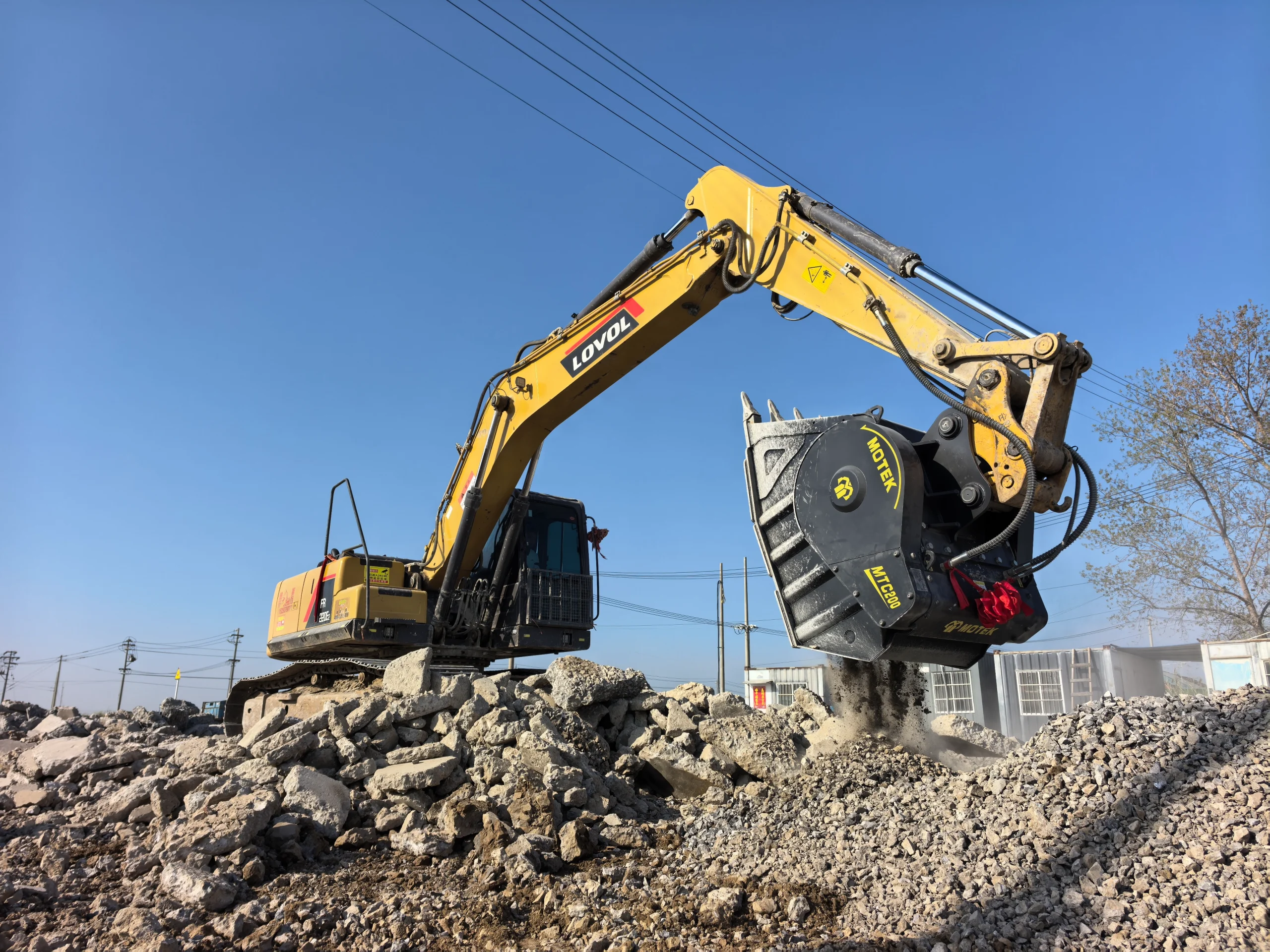
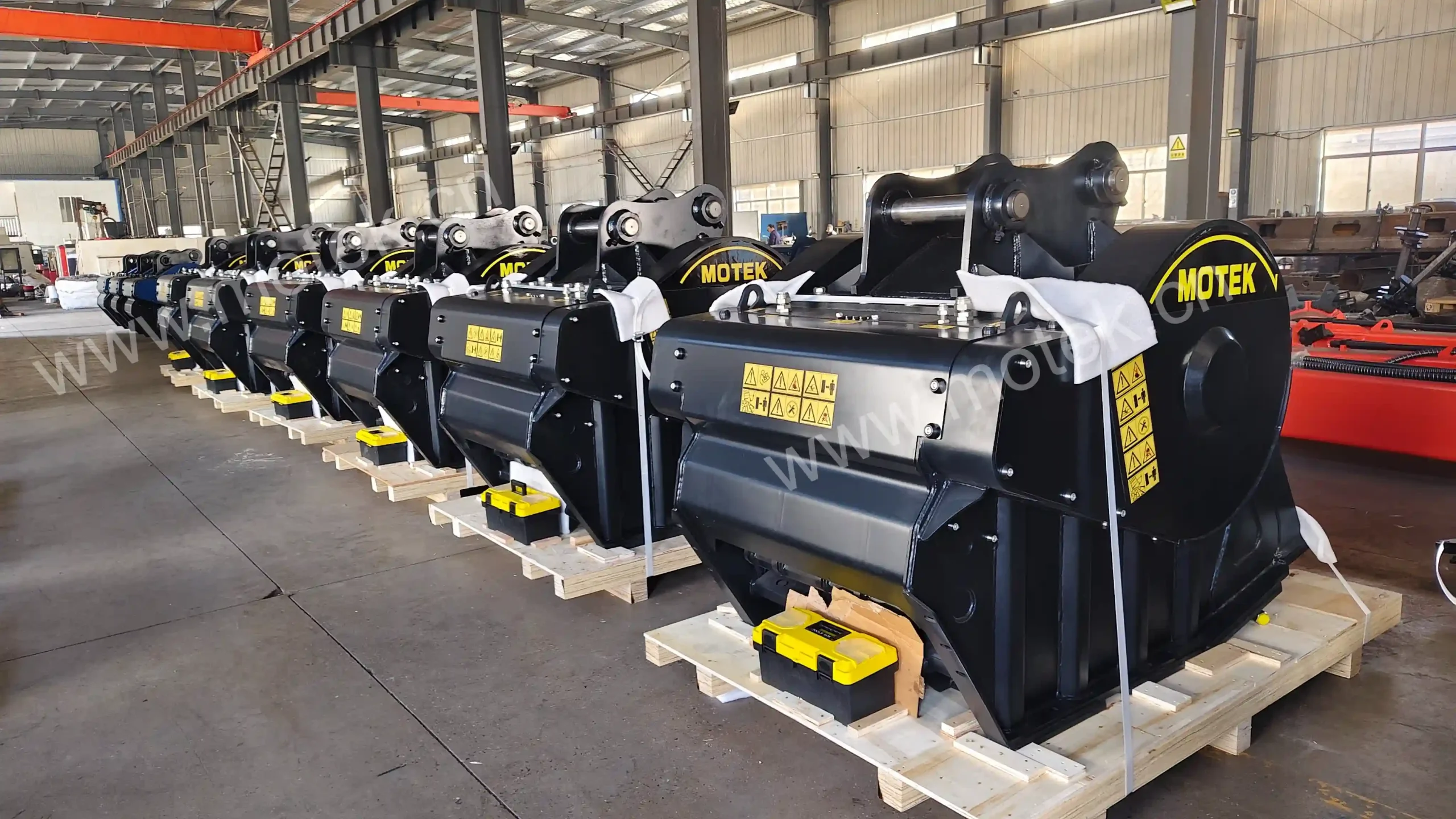
Tous les projets d'amélioration des sols ne se valent pas. Une petite serre exige une solution différente de celle d'un chantier routier, et la rénovation d'un terrain de golf a des exigences très différentes de celles d'un projet de réhabilitation minière. Choisir la bonne solution est essentiel. équipement d'amélioration des sols Cela dépend en grande partie de la taille de la zone de travail, des conditions du sol, des objectifs du projet et du budget.
Les fabricants modernes proposent une vaste gamme de machines d'amélioration des sols, conçues aussi bien pour les petits espaces que pour les grandes exploitations. Comprendre les différences entre ces modèles permet d'améliorer considérablement la productivité tout en réduisant les coûts d'exploitation.
Dans ce guide, nous explorerons les différents types d'équipements d'amélioration des sols disponibles, leurs applications idéales et comment choisir la meilleure machine pour votre projet.
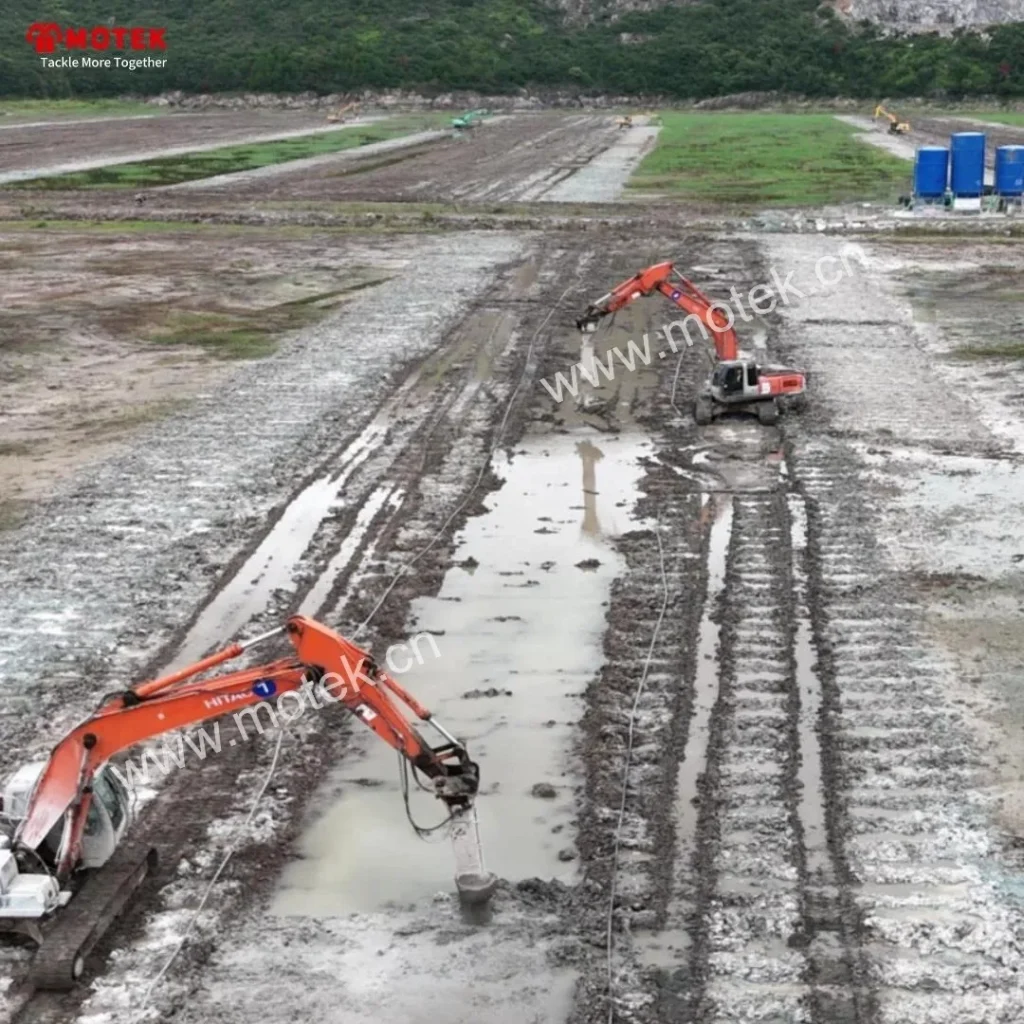
Pourquoi des projets de tailles différentes nécessitent des équipements différents
L’amélioration des sols consiste à modifier les sols existants afin d’en accroître la résistance, le drainage, la fertilité ou la capacité portante. Les méthodes peuvent inclure :
- Mélange de sol
- Stabilisation des sols
- Relâchement profond
- Pulvérisation des sols durs
- Ajouter du ciment ou de la chaux
- Incorporation de matière organique
- Conditionnement de l'humidité
Cependant, l'exécution efficace de ces tâches dépend de l'utilisation d'un équipement adapté à la zone de travail.
Par exemple:
- Un vignoble n'a pas besoin d'un stabilisateur automoteur de 400 chevaux.
- Un entrepreneur de travaux publics ne peut pas compter sur une fraiseuse rotative compacte pour des milliers de mètres carrés.
Un équipement adapté permet d'améliorer :
- Productivité
- consommation de carburant
- Qualité du mélange
- coûts d'exploitation
- Délai d'achèvement du projet
Équipement d'amélioration des sols pour les petites exploitations
Les machines compactes sont conçues pour les projets où la maniabilité, la précision et des coûts d'exploitation réduits sont plus importants que la productivité maximale.
Zones de travail typiques
Le petit matériel d'amélioration des sols est idéal pour :
- Jardins
- serres
- Projets d'aménagement paysager
- construction résidentielle
- Petites exploitations agricoles
- Parcs
- terrains de sport
- entretien municipal
- restauration des tranchées de services publics
Machines courantes de petite taille pour l'amélioration des sols
1. Motoculteurs rotatifs compacts
Les motoculteurs compacts brisent les sols compactés et incorporent les engrais ou les matières organiques au sol.
Les avantages comprennent :
- Transport facile
- faible consommation de carburant
- Excellente maniabilité
- Entretien simple
2. Mini mélangeurs de terre
Mini mélangeurs de terre sont couramment utilisés pour :
- Aménagement paysager
- Préparation de la crèche
- culture en serre
- Petits projets de fondation
Ces machines assurent une excellente homogénéité de mélange même en fonctionnant dans des espaces confinés.
3. Équipement d'amélioration des sols monté sur tracteur
De nombreux agriculteurs préfèrent les équipements d'amélioration des sols entraînés par la prise de force et fixés à des tracteurs compacts.
Les avantages comprennent :
- Coût d'investissement inférieur
- Utilisation polyvalente
- Remplacement facile de la fixation
- Convient aux travaux saisonniers
Avantages des petits modèles
Les machines compactes offrent plusieurs avantages :
- prix d'achat inférieur
- Réduction des coûts d'entretien
- Transport facile
- perturbation minimale du sol
- Meilleur accès aux espaces confinés
- Consommation de carburant réduite
Ces machines sont particulièrement intéressantes pour les entrepreneurs qui gèrent de nombreux petits projets.
Équipements d'amélioration des sols pour les opérations à grande échelle
Les projets d'amélioration des sols à grande échelle nécessitent des équipements capables de traiter rapidement de vastes superficies tout en maintenant une qualité de sol constante.
Ces machines priorisent :
- Puissance élevée
- Grande largeur de travail
- Capacité de mixage profonde
- Fonctionnement continu
Applications typiques
Les gros équipements d'amélioration des sols sont couramment utilisés dans :
- Construction d'autoroutes
- Développement aéroportuaire
- Infrastructure ferroviaire
- parcs industriels
- Remise en état des mines
- Grandes exploitations agricoles
- projets d'énergie éolienne et solaire
- Construction de barrages
- Développement portuaire
Machines courantes d'amélioration des sols de grande taille
1. Autopropulsé Stabilisateurs de sol
Ce sont parmi les machines d'amélioration des sols les plus performantes du marché.
Caractéristiques :
- Moteurs diesel de forte puissance
- Tambours de mélange larges
- Profondeur de travail réglable
- Systèmes de contrôle automatique
- Compatibilité avec le guidage GPS
Ils mélangent efficacement la terre avec :
- Ciment
- Citron vert
- cendres volantes
- Eau
- Autres agents stabilisants
2. Recycleurs de sol robustes
Ces machines recyclent les matériaux routiers existants tout en améliorant la sous-couche.
Les avantages comprennent :
- Réhabilitation routière plus rapide
- transport de matériaux réduit
- coûts de construction réduits
- fonctionnement durable
3. Grands mélangeurs rotatifs
Conçues pour les vastes exploitations agricoles, ces machines préparent rapidement le sol avant les semis.
Ils peuvent :
- Concasser la terre dure
- Incorporer les résidus de récolte
- Mélanger les engrais
- Améliorer l'aération du sol
Comparaison des équipements d'amélioration des sols de petite et de grande taille
| Fonctionnalité | Modèles réduits | Grands modèles |
|---|---|---|
| Largeur de travail | 1 à 3 mètres | 2,5 à 8 mètres |
| Profondeur de travail | Peu profond à moyen | Moyen à profond |
| puissance | 20–100 CV | 250 à 700+ CV |
| Mobilité | Excellent | Modéré |
| Consommation de carburant | Faible | Plus haut |
| Productivité | Petits projets | Grande infrastructure |
| coût d'achat | Inférieur | Plus haut |
| Entretien | Simple | Plus complexe |
Facteurs à prendre en compte lors du choix d'un équipement d'amélioration des sols
Le choix de la machine appropriée nécessite l'évaluation de plusieurs facteurs spécifiques au projet.
1. Taille du projet
La première considération est la surface totale à traiter.
Le petit matériel convient pour :
- Moins de 10 hectares
- Travaux résidentiels
- entretien municipal
Les équipements de grande taille sont idéaux pour :
- Des centaines d'hectares
- Projets d'infrastructure
- développements industriels
2. Type de sol
Des conditions de sol différentes nécessitent des capacités d'équipement différentes.
Exemples :
- sol argileux
- Sol sableux
- sol graveleux
- Terrain rocailleux
- Sol limoneux
Les argiles lourdes nécessitent souvent un couple plus élevé et une capacité de mélange plus profonde.
3. Profondeur de mélange requise
Certains projets ne nécessitent qu'une préparation de surface.
D'autres exigent une stabilisation à plusieurs centaines de millimètres sous terre.
La profondeur requise détermine :
- Taille du rotor
- Énergie des machines
- Force du cadre
4. Matière à mélanger
De nombreux projets impliquent l'ajout de matériaux tels que :
- Citron vert
- Ciment
- Compost organique
- Engrais
- Gypse
- cendres volantes
L'équipement doit être compatible avec les additifs prévus.
5. Exigences en matière de transport
Les entrepreneurs qui se déplacent fréquemment d'un chantier à l'autre devraient prendre en considération :
- Dimensions de la machine
- Compatibilité avec les remorques
- Restrictions de poids
- Temps d'installation
Les modèles compacts sont généralement plus faciles à transporter.
Dernières technologies en matière d'équipements modernes d'amélioration des sols
Les machines actuelles intègrent des technologies de pointe qui améliorent à la fois la productivité et la précision.
Parmi les innovations populaires, on peut citer :
- guidage GPS des machines
- Contrôle automatique de la profondeur
- Réglage intelligent de la vitesse du rotor
- Gestion du moteur pour économiser du carburant
- Systèmes de surveillance en temps réel
- diagnostic à distance
- Application précise des agents stabilisants
Ces technologies contribuent à réduire les coûts d'exploitation tout en assurant une amélioration constante de la qualité des sols.
Quels secteurs en bénéficient le plus ?
Les différents secteurs d'activité utilisent des équipements de tailles différentes.
Les petits modèles sont populaires dans :
- Agriculture
- Aménagement paysager
- Gestion des parcs
- entretien du terrain de golf
- Opérations en serre
Les grosses machines dominent :
- Construction de routes
- Ingénierie aéroportuaire
- Exploitation minière
- Construction ferroviaire
- agriculture à grande échelle
- Infrastructure industrielle
Conclusion
Oui, il existe de nombreux modèles d'équipements d'amélioration des sols conçus pour les petites et les grandes surfaces. Les machines compactes offrent une excellente maniabilité, un prix abordable et une grande flexibilité pour les jardins, les exploitations agricoles et les projets d'aménagement paysager, tandis que les grands stabilisateurs automoteurs et les recycleurs de sol industriels fournissent la puissance et la productivité nécessaires aux autoroutes, aux aéroports, aux mines et aux grands projets d'infrastructures.
Le choix du modèle adapté dépend de la taille de votre projet, du type de sol, de la profondeur de travail, des matériaux nécessaires et de votre budget. Investir dans un équipement adapté à votre application améliore la qualité du sol et réduit les coûts de main-d'œuvre, la consommation de carburant et les délais du projet. Que vous soyez un petit entrepreneur ou une grande entreprise d'ingénierie, choisir le bon équipement d'amélioration des sols est essentiel pour obtenir des résultats efficaces, de haute qualité et économiques.
Foire aux questions (FAQ)
Quel est le meilleur équipement d'amélioration des sols pour les petites exploitations agricoles ?
Les fraises rotatives compactes et les mélangeurs de sol montés sur tracteur sont idéaux pour les petites exploitations agricoles car ils sont abordables, faciles à utiliser et très maniables.
Quel matériel est utilisé pour la stabilisation des sols à grande échelle ?
Les grands projets utilisent généralement des stabilisateurs de sol automoteurs, des recycleurs robustes et des mélangeurs rotatifs à grande capacité capables de traiter efficacement de vastes zones.
Une seule machine peut-elle traiter différents types de sols ?
Oui. De nombreuses machines modernes d'amélioration des sols sont dotées de vitesses de rotor réglables, de profondeurs de travail ajustables et d'outils interchangeables, ce qui leur permet de s'adapter à l'argile, au sable, au limon et aux sols mixtes.
Comment choisir la machine d'amélioration des sols adaptée ?
Avant de choisir une machine, tenez compte de la taille du projet, de la nature du sol, de la profondeur de mélange souhaitée, des matériaux à incorporer, des besoins en transport et du budget disponible.
Les équipements d'amélioration des sols de plus grande taille sont-ils toujours meilleurs ?
Pas nécessairement. Les machines plus grandes offrent une productivité supérieure pour les projets d'envergure, tandis que les modèles compacts sont souvent plus économiques et pratiques pour les petits chantiers à accès limité.
Auteur

Jack Liu
Directeur général de MOTEK, fort de 20 ans d'expérience dans le secteur des engins de chantier. Ancien agent de plusieurs marques européennes haut de gamme d'accessoires. Un leader visionnaire qui impulse la croissance de MOTEK.