

Existem diferentes modelos de equipamentos para melhoramento do solo adequados para operações em pequenas e grandes áreas?
Data de lançamento: 21/07/2026
Índice
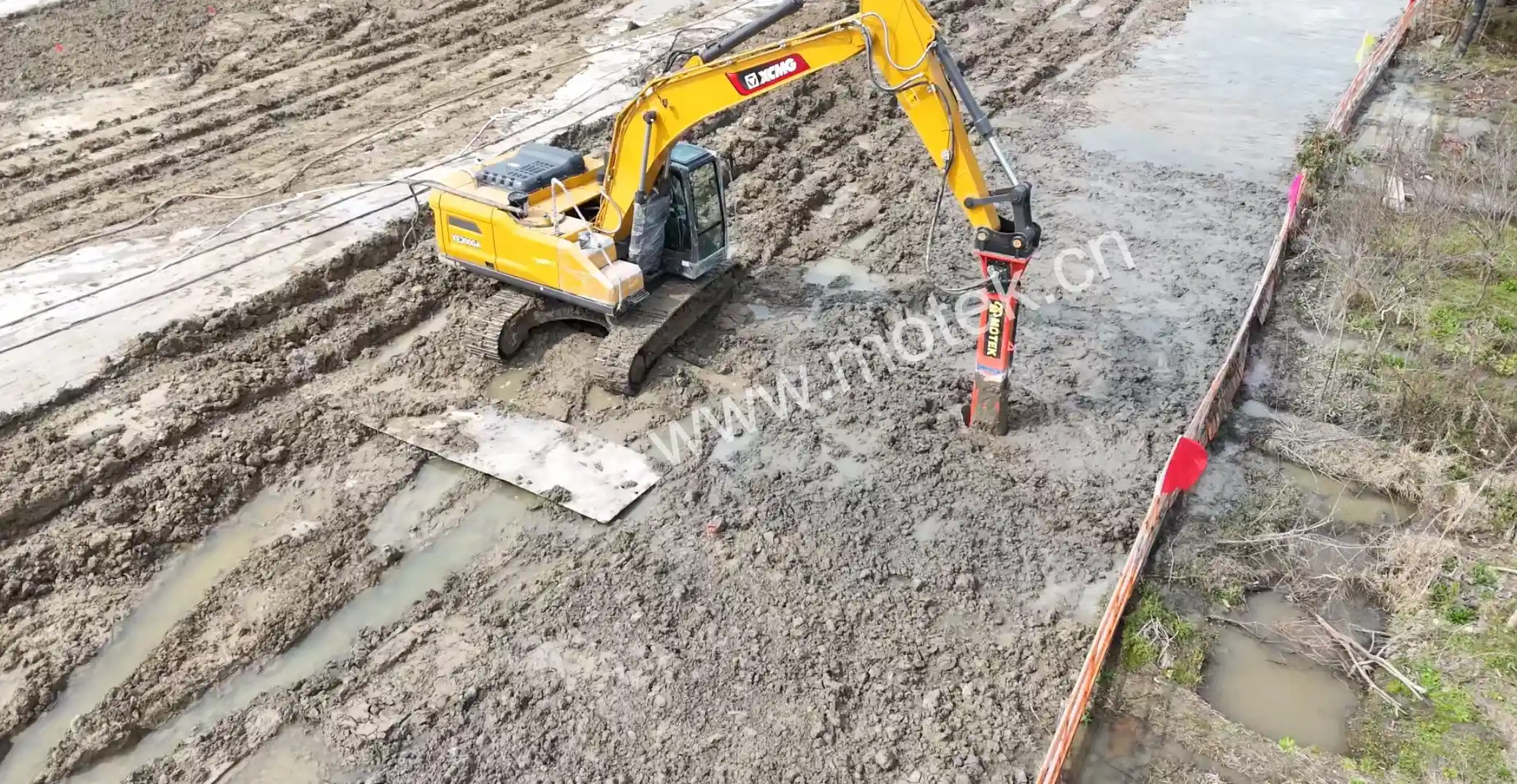
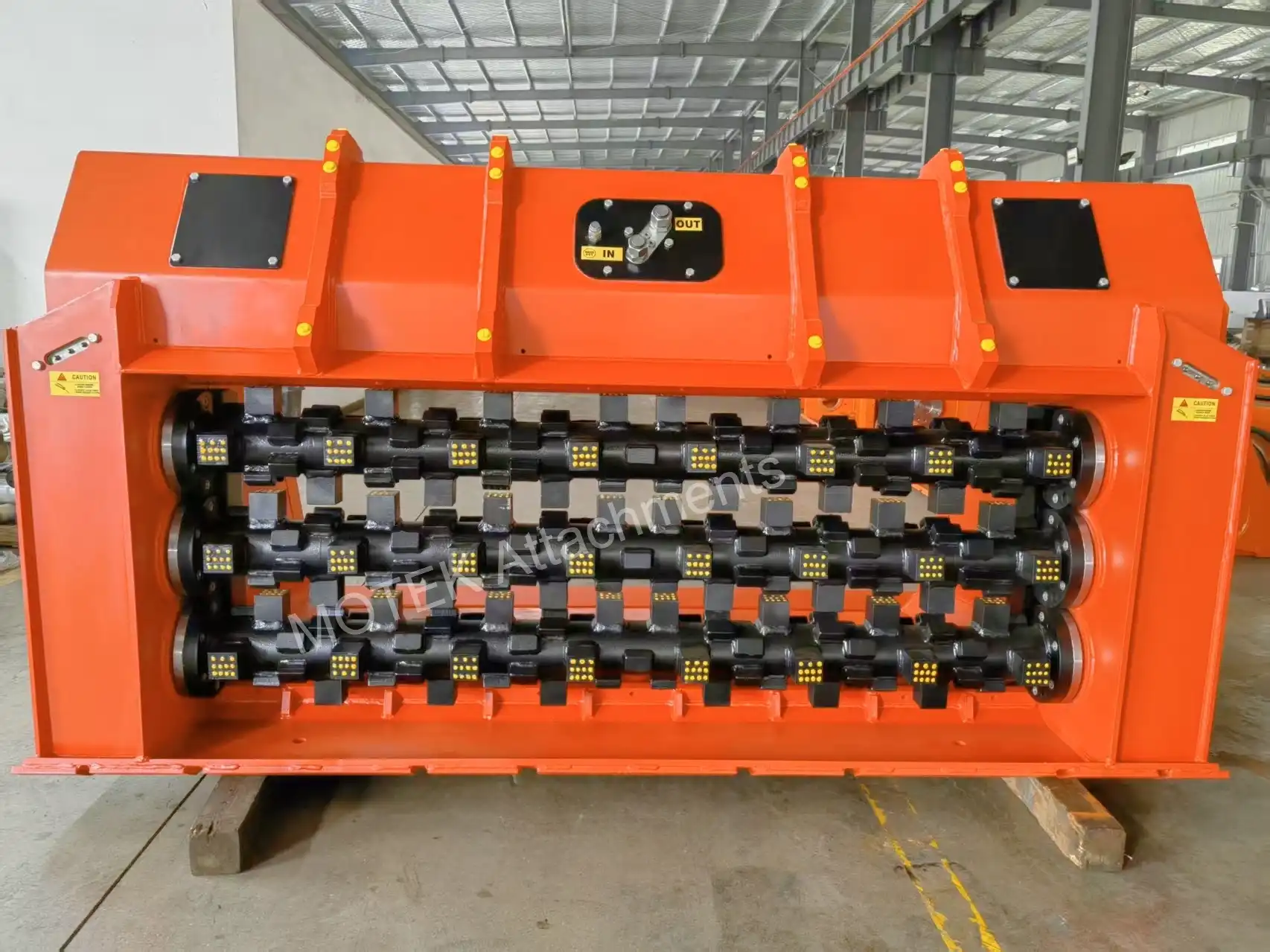
Nem todos os projetos de melhoramento do solo são iguais. Uma pequena estufa exige uma solução diferente de um canteiro de obras de rodovia, e a reforma de um campo de golfe tem requisitos muito diferentes de um projeto de recuperação de área minerada. Escolher a solução certa é fundamental. equipamentos para melhoramento do solo Depende em grande parte da dimensão da área de trabalho, das condições do solo, dos objetivos do projeto e do orçamento.
Os fabricantes modernos oferecem uma ampla gama de máquinas para melhoramento do solo, projetadas especificamente para espaços de trabalho compactos e operações em grande escala. Compreender as diferenças entre esses modelos pode melhorar significativamente a produtividade e reduzir os custos operacionais.
Neste guia, exploraremos os vários tipos de equipamentos para melhoramento do solo disponíveis, suas aplicações ideais e como selecionar a melhor máquina para o seu projeto.
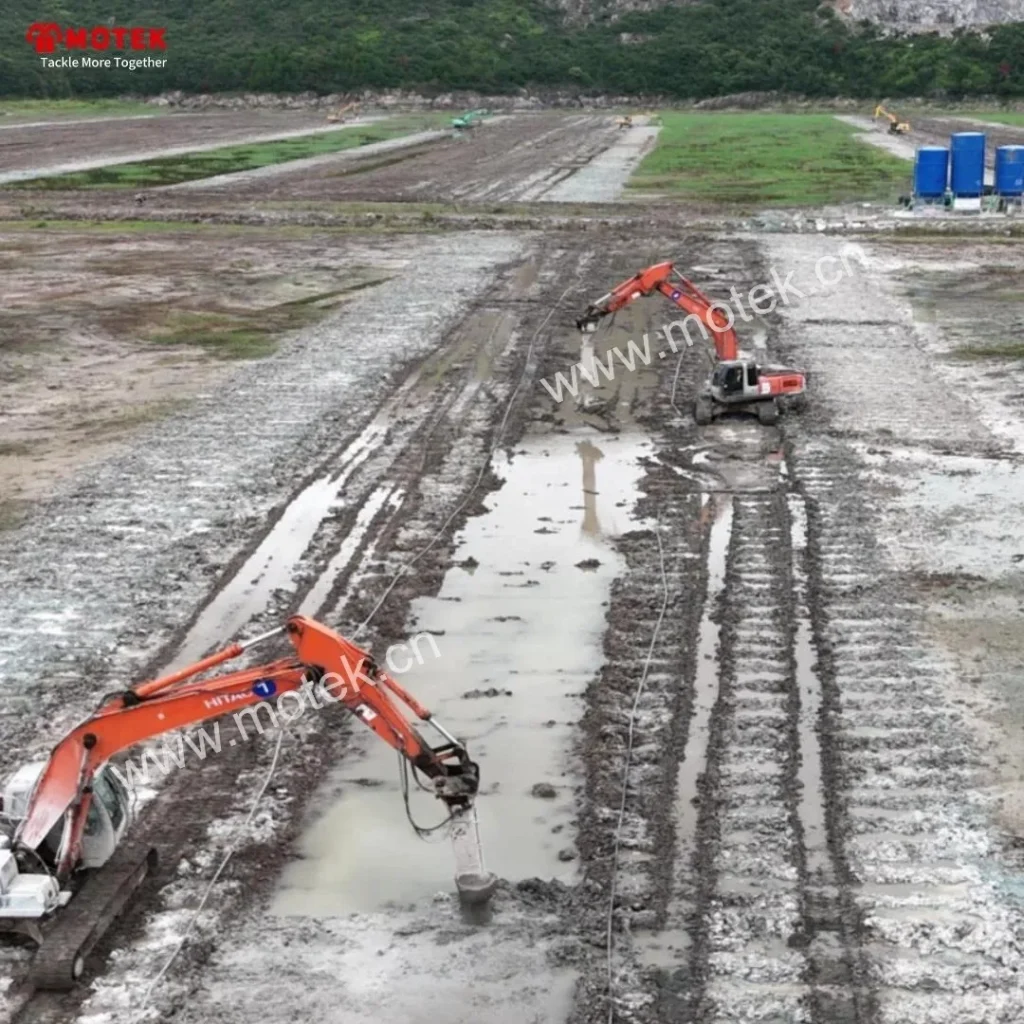
Por que projetos de tamanhos diferentes exigem equipamentos diferentes?
A melhoria do solo envolve a modificação do solo existente para aumentar sua resistência, drenagem, fertilidade ou capacidade de suporte de carga. Os métodos podem incluir:
- Mistura de solos
- Estabilização do solo
- Afrouxamento profundo
- Pulverizando solo duro
- Adicionar cimento ou cal.
- Incorporação de matéria orgânica
- Condicionamento de umidade
No entanto, a conclusão eficiente dessas tarefas depende da utilização de equipamentos com dimensões adequadas à área de trabalho.
Por exemplo:
- Uma vinha não precisa de um estabilizador autopropelido de 400 cavalos de potência.
- Um empreiteiro rodoviário não pode confiar em uma enxada rotativa compacta para milhares de metros quadrados.
O equipamento correto melhora:
- Produtividade
- Eficiência de combustível
- Qualidade da mistura
- Custos operacionais
- Tempo de conclusão do projeto
Equipamentos para melhoramento do solo em operações de pequena área
As máquinas de pequena área são projetadas para projetos onde a manobrabilidade, a precisão e os custos operacionais mais baixos são mais importantes do que a produção máxima.
Áreas de trabalho típicas
Os equipamentos de pequeno porte para melhoramento do solo são ideais para:
- Jardins
- Estufas
- Projetos de paisagismo
- Construção residencial
- Pequenas fazendas
- Parques
- Campos esportivos
- Manutenção municipal
- Restauração de valas de serviços públicos
Máquinas comuns de pequeno porte para melhoramento do solo
1. Enxadas rotativas compactas
As enxadas rotativas compactas quebram o solo compactado e misturam fertilizantes ou materiais orgânicos no solo.
As vantagens incluem:
- Transporte fácil
- Baixo consumo de combustível
- Excelente manobrabilidade
- Manutenção simples
2. Mini Misturadores de Solo
Mini misturadores de solo são comumente usados para:
- Paisagismo
- Preparação do berçário
- Cultivo em estufa
- Projetos de fundação de pequeno porte
Essas máquinas proporcionam excelente uniformidade de mistura mesmo operando em espaços confinados.
3. Equipamentos de melhoramento do solo montados em tratores
Muitos usuários agrícolas preferem equipamentos de melhoramento do solo acionados por tomada de força (TDF) acoplados a tratores compactos.
Os benefícios incluem:
- Custo de investimento mais baixo
- Uso multifuncional
- Substituição fácil do acessório
- Adequado para trabalho sazonal
Vantagens dos modelos pequenos
As máquinas de pequena área oferecem diversas vantagens:
- Preço de compra mais baixo
- Custos de manutenção reduzidos
- Transporte fácil
- Perturbação mínima do solo
- Melhor acesso a espaços confinados
- Menor consumo de combustível
Essas máquinas são especialmente atraentes para empreiteiros que lidam com vários projetos de pequeno porte.
Equipamentos para melhoramento do solo em operações de grande escala
Projetos de melhoramento do solo em larga escala exigem equipamentos capazes de processar vastas áreas rapidamente, mantendo a qualidade do solo de forma consistente.
Essas máquinas priorizam:
- Alta potência
- Grande largura de trabalho
- Capacidade de mistura profunda
- Operação contínua
Aplicações típicas
Equipamentos de grande porte para melhoramento do solo são comumente usados em:
- Construção de rodovia
- Desenvolvimento aeroportuário
- Infraestrutura ferroviária
- parques industriais
- Recuperação de áreas mineradas
- Grandes fazendas agrícolas
- Projetos de energia eólica e solar
- Construção de barragem
- Desenvolvimento portuário
Máquinas comuns de grande porte para melhoramento do solo
1. Autopropelido Estabilizadores de solo
Essas são algumas das máquinas de melhoramento de solo mais avançadas disponíveis.
As funcionalidades incluem:
- Motores a diesel de alta potência
- Tambores de mistura largos
- Profundidade de trabalho ajustável
- Sistemas de controle automático
- Compatibilidade com orientação GPS
Eles misturam o solo de forma eficiente com:
- Cimento
- Lima
- cinzas volantes
- Água
- Outros agentes estabilizadores
2. Recicladores de solo para serviço pesado
Essas máquinas reciclam materiais rodoviários existentes, ao mesmo tempo que melhoram a sub-base.
As vantagens incluem:
- Reabilitação rodoviária mais rápida
- Redução do transporte de materiais
- Custos de construção mais baixos
- Operação sustentável
3. Misturadores rotativos grandes
Projetadas para extensas áreas agrícolas, essas máquinas preparam o solo rapidamente antes do plantio.
Eles podem:
- Esmague o solo duro
- Incorpore os resíduos da colheita.
- Misturar fertilizantes
- Melhorar a aeração do solo
Comparação de equipamentos de pequeno e grande porte para melhoramento do solo
| Recurso | Modelos pequenos | Modelos grandes |
|---|---|---|
| Largura de trabalho | 1–3 metros | 2,5 a 8 metros |
| Profundidade de trabalho | De raso a médio | De média a profunda |
| Potência em cavalos | 20–100 HP | 250–700+ HP |
| Mobilidade | Excelente | Moderado |
| Consumo de combustível | Baixo | Mais alto |
| Produtividade | Projetos pequenos | Grande infraestrutura |
| Custo de aquisição | Mais baixo | Mais alto |
| Manutenção | Simples | Mais complexo |
Fatores a considerar na escolha de equipamentos para melhoramento do solo
A escolha da máquina adequada exige a avaliação de diversos fatores específicos do projeto.
1. Tamanho do projeto
A primeira consideração é a área total de tratamento.
Os equipamentos de pequeno porte são adequados para:
- Menos de 10 hectares
- Trabalho residencial
- Manutenção municipal
Equipamentos de grande porte são ideais para:
- Centenas de hectares
- Projetos de infraestrutura
- desenvolvimentos industriais
2. Tipo de solo
Diferentes condições de solo exigem diferentes capacidades de equipamento.
Exemplos incluem:
- solo argiloso
- Solo arenoso
- Solo pedregoso
- Terreno rochoso
- Solo siltoso
Argilas pesadas geralmente exigem maior torque e capacidade de mistura mais profunda.
3. Profundidade de mistura necessária
Alguns projetos exigem apenas preparação da superfície.
Outros exigem estabilização a várias centenas de milímetros abaixo do solo.
A profundidade necessária determina:
- Tamanho do rotor
- Potência da máquina
- Resistência da estrutura
4. Material a ser misturado
Muitos projetos envolvem a adição de materiais como:
- Lima
- Cimento
- Composto orgânico
- Fertilizante
- Gesso
- cinzas volantes
O equipamento deve ser compatível com os aditivos pretendidos.
5. Requisitos de Transporte
Empreiteiros que se deslocam frequentemente entre locais de trabalho devem considerar:
- Dimensões da máquina
- Compatibilidade com reboque
- Restrições de peso
- Tempo de configuração
Os modelos compactos geralmente oferecem transporte mais fácil.
Tecnologia de ponta em equipamentos modernos para melhoramento do solo
As máquinas atuais incorporam tecnologias avançadas que melhoram tanto a produtividade quanto a precisão.
Entre as inovações populares, incluem-se:
- orientação de máquina GPS
- Controle automático de profundidade
- Ajuste inteligente da velocidade do rotor
- Gerenciamento do motor para economia de combustível
- Sistemas de monitoramento em tempo real
- Diagnóstico remoto
- Aplicação precisa de agentes estabilizadores
Essas tecnologias ajudam a reduzir os custos operacionais, ao mesmo tempo que proporcionam uma qualidade consistente na melhoria do solo.
Quais setores são os mais beneficiados?
Diferentes setores industriais dependem de equipamentos de tamanhos diferentes.
Os modelos pequenos são populares em:
- Agricultura
- Paisagismo
- Gestão de parques
- Manutenção de campos de golfe
- Operações em estufa
Grandes máquinas dominam:
- Construção de estradas
- Engenharia aeroportuária
- Mineração
- Construção ferroviária
- Agricultura em larga escala
- Infraestrutura industrial
Conclusão
Sim, existem muitos modelos diferentes de equipamentos para melhoramento do solo, projetados especificamente para operações em pequenas e grandes áreas. As máquinas compactas oferecem excelente manobrabilidade, preço acessível e flexibilidade para jardins, fazendas e projetos paisagísticos, enquanto os grandes estabilizadores autopropelidos e recicladores de solo de alta resistência fornecem a potência e a produtividade necessárias para rodovias, aeroportos, mineração e grandes obras de infraestrutura.
A escolha do modelo certo depende do tamanho do seu projeto, do tipo de solo, da profundidade de trabalho, dos materiais necessários e do orçamento operacional. Investir em equipamentos adequados à sua aplicação melhora a qualidade do solo e também reduz os custos de mão de obra, o consumo de combustível e o tempo de execução do projeto. Seja você um pequeno empreiteiro ou uma grande empresa de engenharia, selecionar o equipamento apropriado para melhoramento do solo é essencial para alcançar resultados eficientes, de alta qualidade e com bom custo-benefício.
Perguntas Frequentes (FAQ)
Qual o melhor equipamento para melhoramento do solo em pequenas propriedades rurais?
As enxadas rotativas compactas e os misturadores de solo acoplados a tratores são ideais para pequenas propriedades rurais, pois são acessíveis, fáceis de operar e altamente manobráveis.
Que equipamentos são utilizados para a estabilização de solos em grande escala?
Em projetos de grande porte, geralmente são utilizados estabilizadores de solo autopropelidos, recicladores de alta capacidade e misturadores rotativos de alta potência, capazes de tratar extensas áreas de forma eficiente.
Uma única máquina consegue lidar com diferentes tipos de solo?
Sim. Muitas máquinas modernas para melhoramento do solo possuem velocidades de rotor ajustáveis, profundidades de trabalho e ferramentas intercambiáveis, permitindo que se adaptem a solos argilosos, arenosos, siltosos e mistos.
Como escolher a máquina de melhoramento de solo adequada?
Antes de selecionar uma máquina, leve em consideração o tamanho do projeto, as condições do solo, a profundidade de mistura desejada, os materiais a serem incorporados, as necessidades de transporte e o orçamento disponível.
Equipamentos maiores para melhoramento do solo são sempre melhores?
Não necessariamente. Máquinas maiores oferecem maior produtividade para projetos de grande porte, enquanto modelos compactos costumam ser mais econômicos e práticos para locais menores com acesso limitado.
Autor

Jack Liu
Gerente Geral da MOTEK com 20 anos de experiência em máquinas de construção. Ex-agente de diversas marcas europeias de implementos de alta gama. Um líder visionário que impulsiona o crescimento da MOTEK.