

What Are the Main Applications of a Soil Power Mixer?
Release time: 2026-08-11
Table of Contents
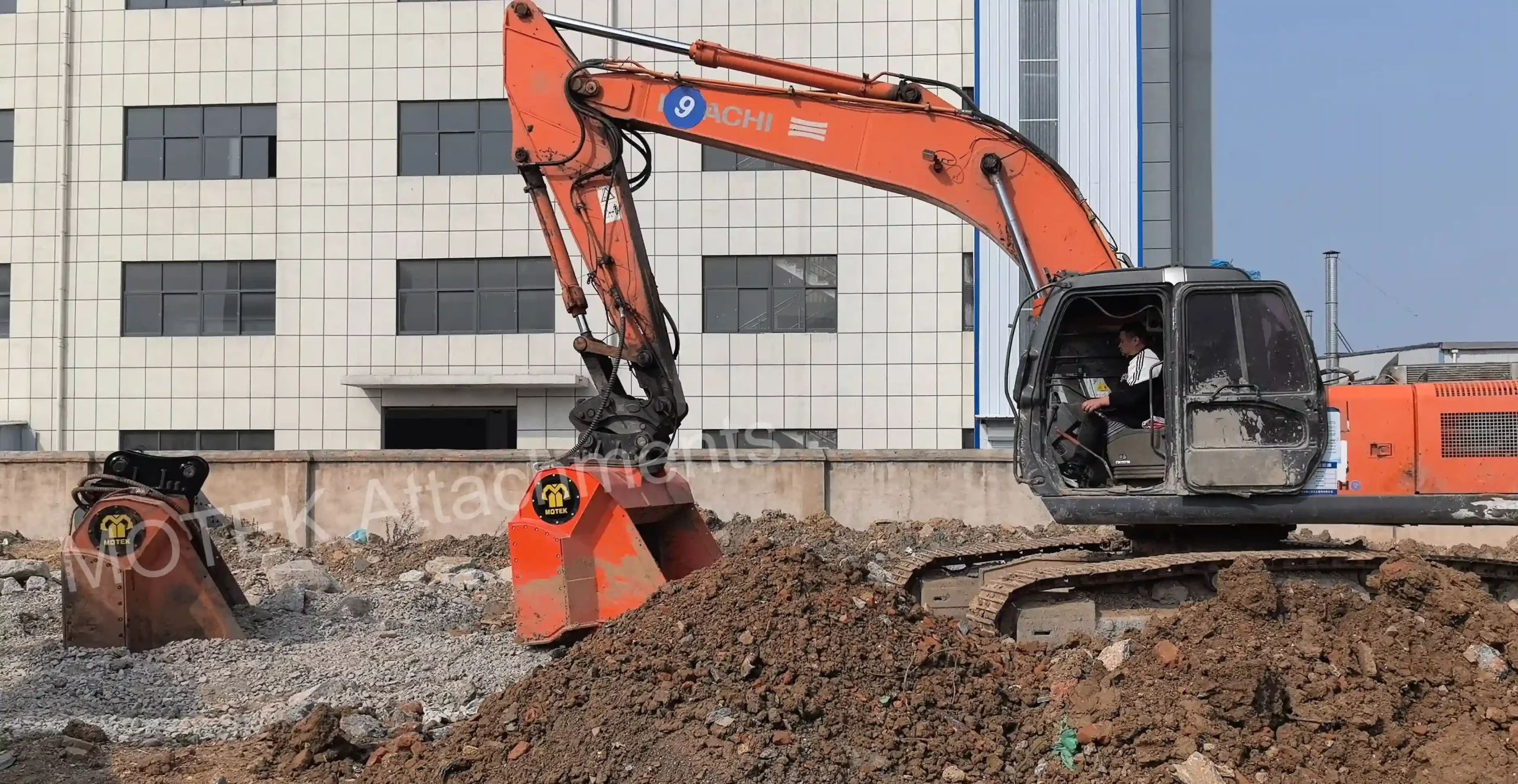
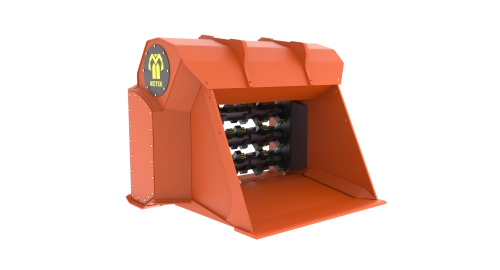
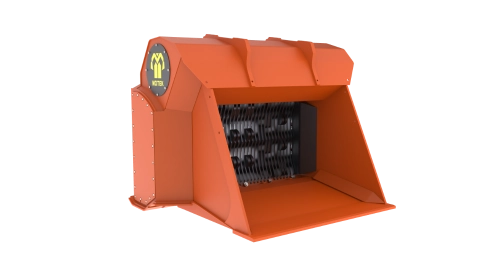
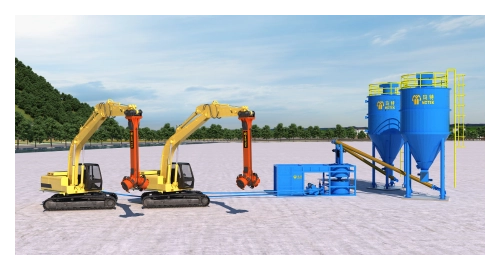
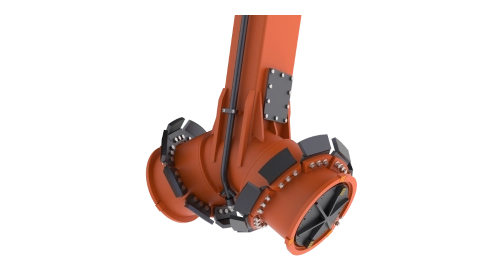
A soil power mixer is specialized equipment used to mix soil with materials such as cement, lime, fertilizers, compost, and other additives to achieve a uniform mixture. By improving material distribution and mixing consistency, it helps modify soil properties for different engineering, agricultural, and environmental applications.
As an important type of soil mixing equipment, a soil power mixer is widely used for soil stabilization, agricultural soil improvement, landscaping, road construction, and land restoration projects. The required machine configuration depends on factors such as soil type, mixing materials, and specific project requirements.
1. Soil Stabilization for Construction Projects
One of the main applications of a soil power mixer is soil stabilization in civil engineering and infrastructure projects. Natural soil conditions often vary significantly, and some soils may not have sufficient strength or stability for direct construction use.
By mixing soil with stabilizing materials such as cement, lime, or fly ash, a soil power mixer improves soil properties, including:
- Load-bearing capacity
- Structural stability
- Moisture resistance
- Long-term durability
This application is commonly found in road construction, foundation preparation, industrial site development, and ground reinforcement projects.
For road base stabilization, the equipment can mix local soil with suitable additives directly on-site, reducing the need for soil replacement and improving construction efficiency.
2. Agricultural Soil Improvement and Fertilizer Mixing
Agricultural soil often requires improvement to achieve better fertility, drainage, and nutrient distribution. A soil power mixer provides an effective method for blending soil with organic fertilizers, compost, lime, biochar, and other soil conditioners.
Uniform mixing ensures that improvement materials are evenly distributed throughout the soil, helping create better growing conditions and improving soil quality.
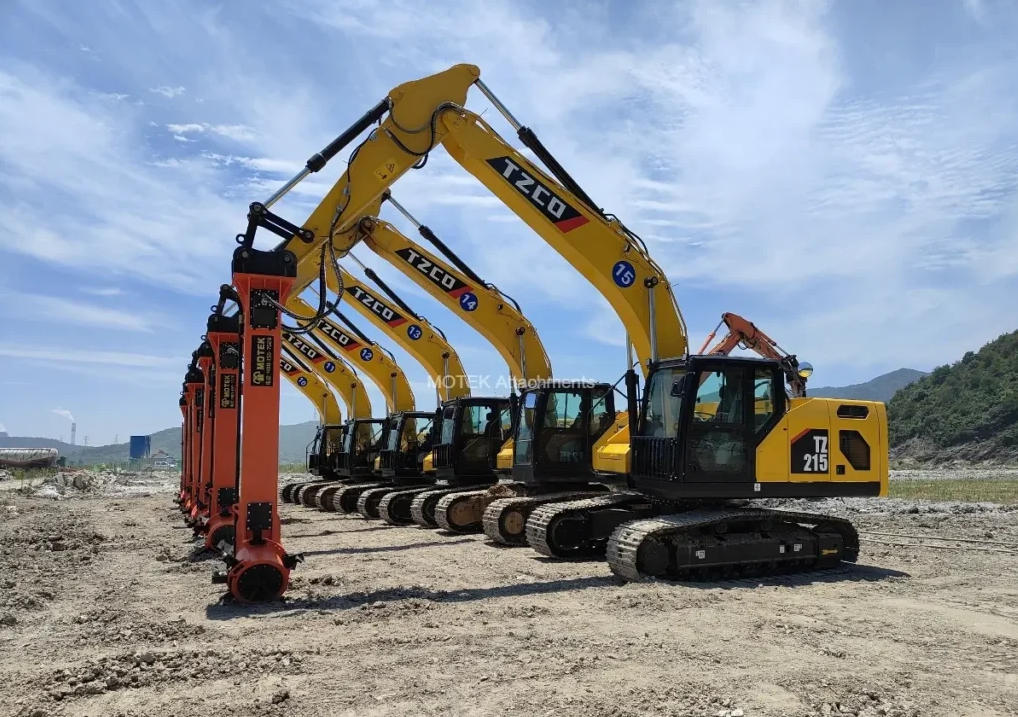
Typical applications include:
- Commercial farmland improvement
- Greenhouse soil preparation
- Nursery production
- Organic farming projects
Compared with manual mixing methods, mechanical soil mixing provides more consistent results and is suitable for large-scale soil preparation.
3. Landscaping and Horticultural Applications
Landscaping projects require properly prepared soil to support healthy plant growth. Different plants have specific requirements for soil structure, moisture retention, and nutrient content.
A soil power mixer allows contractors to produce customized soil blends by combining materials such as:
- Topsoil
- Compost
- Sand
- Peat moss
- Fertilizers
- Soil conditioners
It is widely used in parks, gardens, golf courses, urban green spaces, lawns, and nursery operations.
By creating a uniform planting medium, soil mixing equipment helps improve plant growth conditions and ensures consistent soil quality across the project area.
4. Road Maintenance and Pavement Rehabilitation
During road maintenance and rehabilitation projects, existing soil or base materials often require improvement before reuse. A soil power mixer can blend local soil with binding agents or recycled materials directly at the working site.
This method is particularly useful for rural roads, highways, and infrastructure projects where transporting new materials is costly or inconvenient.
By improving the performance of existing materials, soil mixing equipment helps enhance road foundation stability and extend service life.
5. Environmental Restoration and Land Rehabilitation
Soil power mixers are also widely used in environmental restoration projects. Degraded land, mining areas, and industrial sites may require soil treatment to restore soil quality and ecological conditions.
The equipment can mix soil with:
- Remediation agents
- Organic materials
- Stabilizing compounds
- Nutrient additives
Effective mixing ensures that treatment materials are evenly distributed, improving the results of land restoration projects.
Common applications include mine reclamation, industrial site recovery, ecological restoration, and land improvement programs.
6. Customized Soil Mixing Production
Beyond on-site applications, soil power mixers are used for producing customized soil mixtures for commercial purposes.
Agricultural suppliers, landscaping companies, and horticultural businesses often need consistent soil formulas for different applications. A soil power mixer enables accurate blending of various materials according to specific ratios.
Common products include:
- Planting soil
- Horticultural growing media
- Agricultural soil blends
- Specialty soil products
Consistent mixing performance helps maintain product quality during large-scale production.
How to Choose the Right Soil Power Mixer?
Selecting the correct soil power mixer depends on several key factors:
Soil characteristics: Different soil types, such as clay, sand, or mixed soil, may require different mixing power and equipment configurations.
Application requirements: Construction stabilization, agricultural improvement, and environmental treatment projects have different technical needs.
Processing capacity: Machine size and configuration should match the required output and working conditions.
Additive materials: The type of materials being mixed affects the selection of mixing technology and equipment design.
Choosing the right equipment based on actual project conditions helps ensure reliable performance and better soil improvement results.
Customized Soil Improvement Solutions by MOTEK
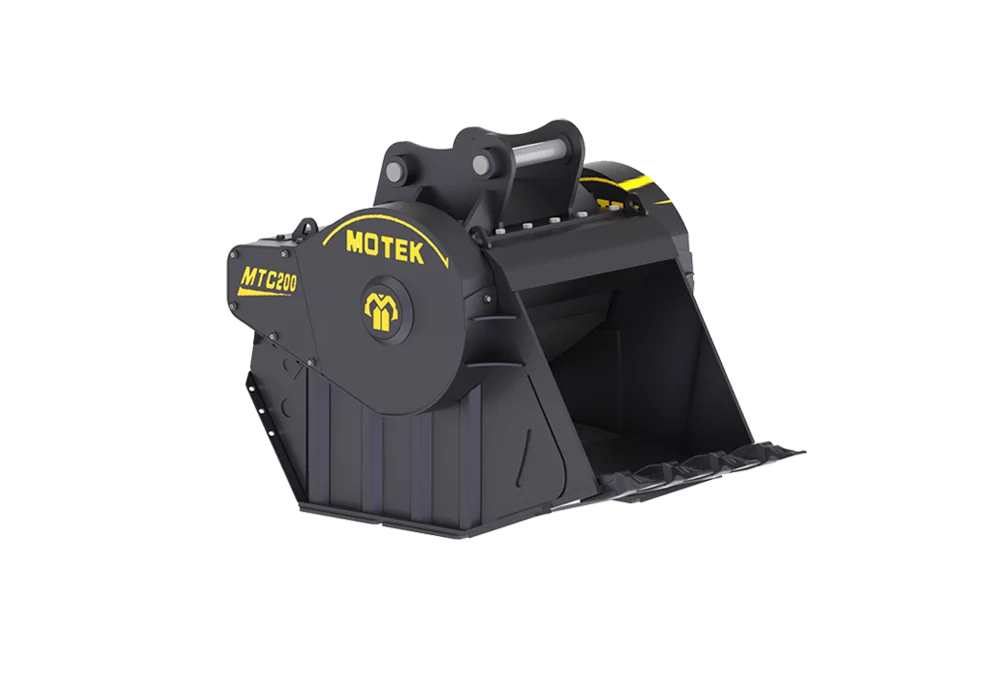
With extensive experience in soil improvement equipment, MOTEK provides customized soil power mixer solutions designed to meet the specific requirements of different projects. As an important component of a complete soil improvement system, MOTEK’s soil power mixers can be configured according to soil conditions, application objectives, and operating requirements to deliver reliable and effective soil mixing performance.