


How to Match Excavator Tonnage with Crusher Bucket Models: A Comprehensive Guide
Release time: 2026-08-04
When selecting a crusher bucket, excavator tonnage is the most important starting point, but it is by no means the only criterion. A 20-ton excavator does not mean that any bucket labeled “20-ton class” can be directly installed and used; one must also verify auxiliary hydraulic flow, operating pressure, the bucket’s dead weight, stability when fully loaded, mounting dimensions, and the specific material to be processed. Only when the carrier machine and the attachment are matched in terms of power, load-bearing capacity, and operating conditions can on-site crushing efficiency, equipment longevity, and operational safety be guaranteed.
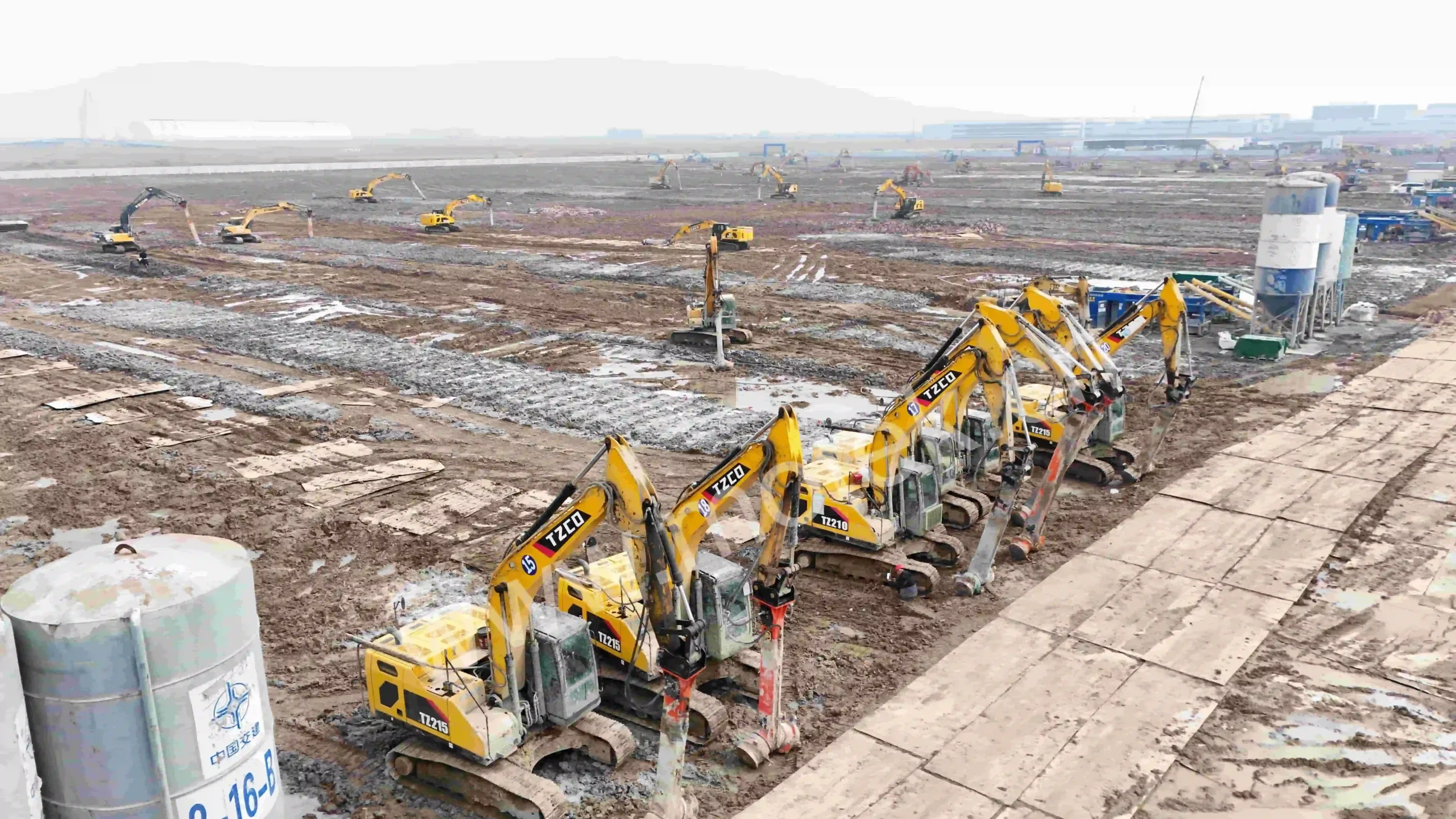
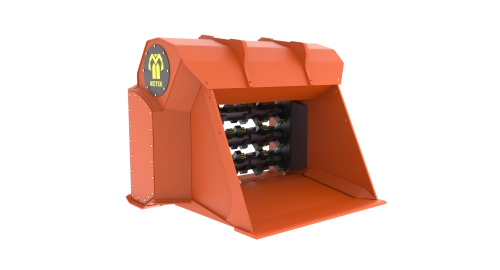
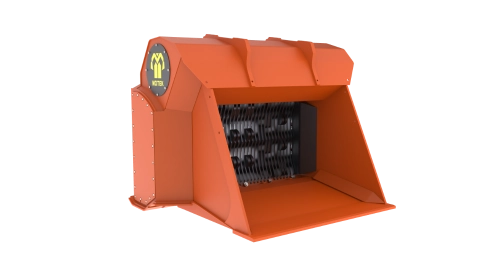
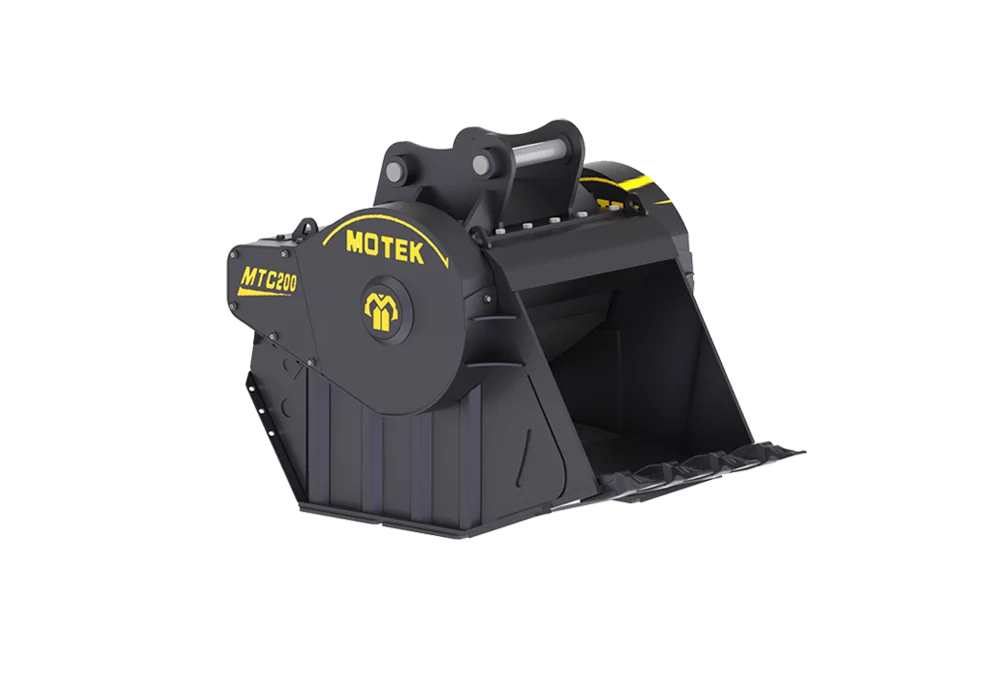
A crusher bucket is essentially a hydraulic crushing attachment mounted on an excavator, used for on-site volume reduction and preliminary recycling of concrete, bricks, stone, road debris, and certain demolition waste. Industry data shows significant differences in bucket capacity, weight, feed opening size, operating pressure, and hydraulic flow requirements across different tonnage classes; for instance, models compatible with 6.5–10 ton excavators typically feature a capacity of around 0.15 m³ and require a flow rate of 90–120 L/min, whereas models for the 21–32 ton class can reach a capacity of approximately 0.9 m³.
Table of Contents
Why shouldn’t you rely solely on excavator tonnage?
Excavator tonnage serves only to help users make an initial selection regarding the size class of the digger crusher bucket. While it reflects the carrier’s approximate weight, stability, and hydraulic capabilities, it does not indicate whether the auxiliary hydraulic circuit provides sufficient flow, nor does it confirm that the boom, arm, and overall machine can safely support the bucket and its load at specific operating radii.
If the crusher bucket is too heavy, the excavator may suffer from instability during boom extension, slewing, or operations on slopes. If hydraulic flow is insufficient, the jaw opening and closing speed will slow down; when processing hard materials, this often leads to reduced efficiency, rising oil temperatures, and even frequent system shutdowns. Conversely, equipping a large excavator with an undersized bucket—while technically feasible—limits the carrier’s productivity due to the smaller bucket capacity, feed opening, and processing throughput, preventing the equipment from operating at its full potential.
Therefore, the correct approach is:
Initial screening based on excavator tonnage → Verification of hydraulic parameters → Verification of bucket weight and stability → Confirmation of material and output requirements → Confirmation of mounting interfaces and site conditions.
Which models suit different excavator tonnages?
The following outlines typical preliminary matching ranges for engineering projects, suitable for use in model selection discussions and website content. Specifications vary significantly across brands and models; final selection should be based on the crusher bucket manufacturer’s technical data and the specific excavator’s specifications.
While excavator tonnage is the most important starting point for selecting a crusher bucket, it is by no means the only criterion. A 20-ton excavator does not mean that any bucket labeled “20-ton class” can be installed and used immediately; one must also verify auxiliary hydraulic flow, operating pressure, the bucket’s dead weight, stability when fully loaded, mounting dimensions, and the material to be processed. Only when the carrier machine and the attachment are matched in terms of power, load-bearing capacity, and operating conditions can on-site crushing efficiency, equipment longevity, and operational safety be ensured.
A crusher bucket is essentially a hydraulic crushing attachment mounted on an excavator, used for on-site volume reduction and preliminary recycling of concrete, bricks, stone, road debris, and certain demolition waste. Industry data shows significant differences in bucket capacity, weight, feed opening size, operating pressure, and hydraulic flow requirements across different tonnage classes; for instance, models compatible with 6.5–10 ton excavators typically feature a capacity of around 0.15 m³ and a flow requirement of 90–120 L/min, whereas models for the 21–32 ton class can reach a capacity of approximately 0.9 m³.
Why shouldn’t you rely solely on excavator tonnage?
Excavator tonnage helps users only with the initial screening of crusher bucket size classes. While it reflects the carrier machine’s approximate weight, stability, and hydraulic capabilities, it does not indicate whether the auxiliary hydraulic circuit provides sufficient flow, nor does it confirm that the boom, arm, and overall machine can safely support the bucket and material load at specific operating radii.
If the crusher bucket is too heavy, the excavator may lack stability during boom extension, slewing, or operations on slopes. If hydraulic flow is insufficient, the jaw opening and closing speed will slow down; when processing hard materials, this can lead to reduced efficiency, rising oil temperatures, and even frequent system shutdowns. Conversely, equipping a large excavator with an undersized crusher bucket—while technically feasible—limits the carrier’s productivity due to the smaller bucket capacity, feed opening, and processing throughput, preventing the equipment from operating at its full potential. Therefore, the correct logical sequence is:
Initial screening of excavator tonnage → Verification of hydraulic parameters → Verification of bucket weight and stability → Confirmation of material and output requirements → Confirmation of interface and site conditions.
Which models are suitable for excavators of different tonnages?
The following outlines common preliminary matching ranges for engineering projects, suitable for use in equipment selection discussions and website content. Specifications vary significantly across brands and models; final selection must be based on the crusher bucket manufacturer’s technical data and the specific excavator’s specifications.
transportation restrictions and maintenance requirements.
Availability of wear parts, jaw plate replacement methods, and requirements for warranty and after-sales support.
For projects requiring processed material for backfilling, road base layers, drainage bedding, or recycled aggregate, it is also necessary to verify the consistency of the output particle size, determine if secondary screening is required, and ensure compliance with project grading and quality standards. Some crusher buckets feature adjustable output sizes, allowing them to adapt to various applications such as backfilling, foundation work, paving, and recycled material processing.
Matching an excavator’s tonnage with a loader crusher bucket model requires more than a simple assessment of “which bucket size fits which excavator tonnage.” Proper selection involves verifying the carrier machine’s operating weight, auxiliary hydraulic flow and pressure, the combined weight of the bucket and a full load of material, connection dimensions, maximum material lump size, and target output specifications. Only when these factors are harmonized can on-site crushing efficiency, equipment stability, and long-term maintenance costs be effectively balanced. As a provider of engineering attachment solutions, Motek offers tailored model recommendations and technical support based on the client’s excavator brand and model, hydraulic parameters, material type, and project requirements. This helps ensure safer and more efficient on-site crushing operations for demolition, road construction, recycling, and mining projects. Motek prioritizes hydraulic compatibility, load-bearing capacity, and material adaptability as the core criteria for crusher bucket selection.
Author

Gershon Zhou
MOTEK R&D Director With 18 years of focused experience in the construction machinery attachment industry. As a National Certified Senior Engineer, he is a well-recognized technical leader in the field of earthmoving machine attachments.