

Redefining the global landscape of soft ground improvement – MOTEK’s soil stabilization integrated system offers a brand‑new green geotechnical solution
Release time: 2026-07-24
With the continuous expansion of infrastructure, renewable energy development, coastal reclamation, and site remediation projects worldwide, soft soil treatment and ground improvement have become essential in geotechnical engineering. Across both domestic and international construction markets–whether in Europe, the Americas, Southeast Asia, or China–when it comes to foundation reinforcement or ground modification, the vast majority of contractors prefer various high‑pressure grouting methods. Thanks to their mature application systems, grouting techniques have long dominated the global soft‑ground treatment sector.
However, this universally adopted grouting process has persistent and inherent shortcomings: it requires a large number of heavy drilling rigs, occupying extensive site areas; the operation continuously produces sludge and waste slurry, making off‑site haulage and tailings disposal costly, while environmental regulations in many countries are becoming increasingly stringent regarding waste slurry discharge; and the high‑pressure parameters are difficult to control precisely, often causing ground heave and disturbance to surrounding soils, posing safety risks to adjacent structures and pipelines. For a long time, the global industry has formed a fixed mindset–most practitioners are only familiar with grouting as a modification method and are rarely aware of more environmentally friendly, efficient, and large‑area‑friendly soil stabilization techniques.
As a professional brand serving the global market–integrating R&D and manufacturing of geotechnical equipment, equipment rental, technology export, and engineering construction–MOTEK has independently developed its MOTEK Soil Stabilization Integrated System (with the MTM series power power mixing head as the core). Following a differentiated technical approach, it provides a one‑stop low‑carbon ground improvement solution for photovoltaic stations, port reclamation, municipal roadbeds, river sludge treatment, and contaminated soil remediation projects worldwide.
Two different improvement philosophies: grouting as“spot injection”vs. MOTEK soil stabilization as“in‑situ blending”. Conventional grouting and MOTEK soil stabilization represent two completely different approaches to ground improvement. Neither is absolutely superior; they are merely suited to different regions and working conditions.
The globally widespread grouting technique is akin to“injecting medicine”into a weak foundation–relying on high‑pressure equipment to force grout into soil voids, it can only achieve point‑based reinforcement of localised voids or deep cracks. This method is suitable for small‑scale leak sealing or local foundation strengthening. However, when faced with large‑area shallow or medium‑depth sludge, dredged fill, or soft clay, its weaknesses become evident: multiple rigs working simultaneously crowd the site; large volumes of waste mud and slurry must be transported and landfilled; in regions with strict environmental regulations, disposal costs can even exceed the main construction budget; and the uncontrolled spread of grout often causes ground uplift, posing significant risks in dense urban areas or coastal reclamation projects.
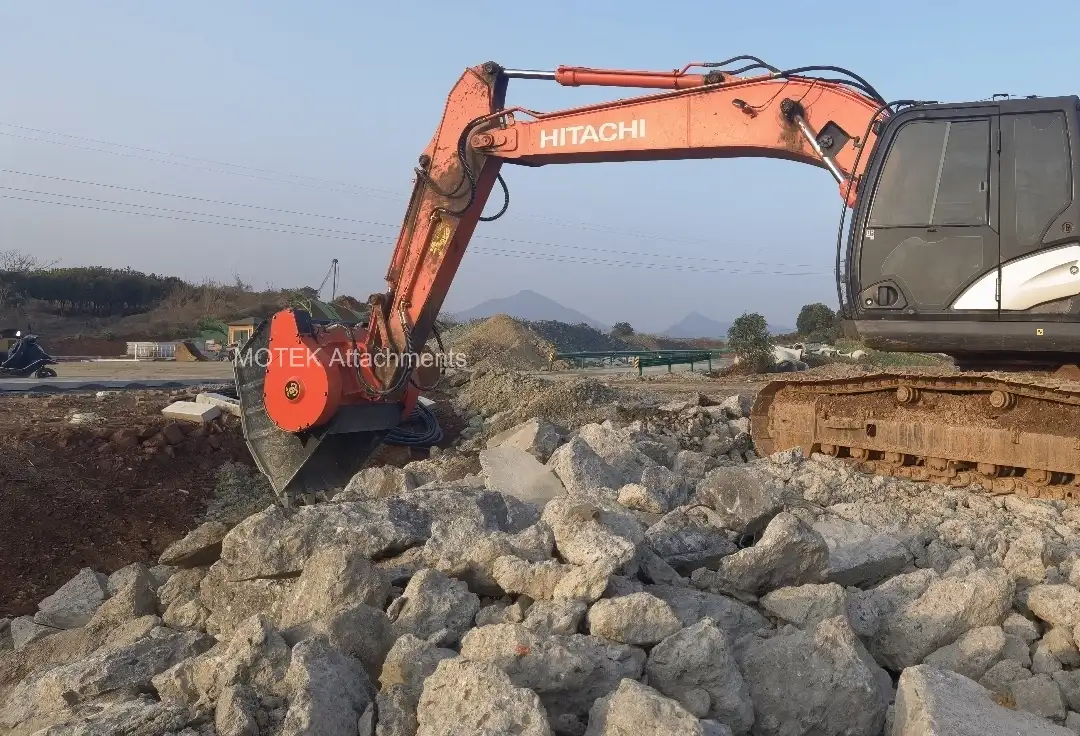
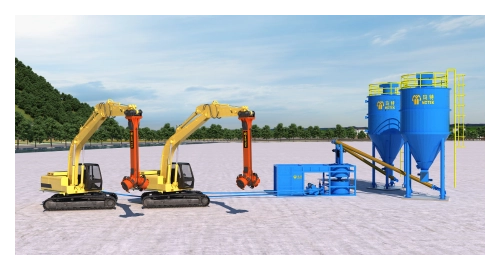
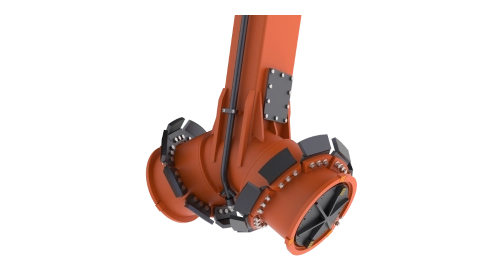
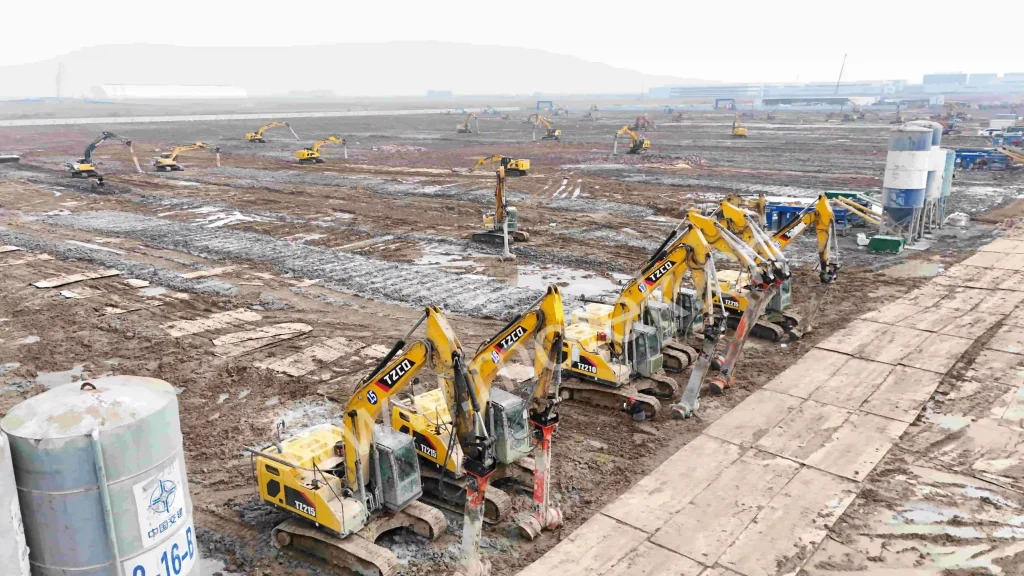
MOTEK soil stabilization, in contrast, adopts an in‑situ blending concept. An excavator‑mounted MOTEK stabilization power power mixing head (MTM series) penetrates the soil layer, where it forcibly and thoroughly mixes binder slurry with the native soft soil and sludge. This fundamentally changes the soil’s physical structure, transforming high‑water‑content sludge into a high‑strength, stable bearing layer. The entire process requires no excavation, no off‑site spoil removal, and produces no waste slurry–making it perfectly suited to large‑area, shallow‑to‑medium‑depth ground improvement projects globally. Moreover, by switching to specialised remediation reagents, the same equipment can also perform in‑situ treatment of contaminated soil, covering multiple project needs with a single system.
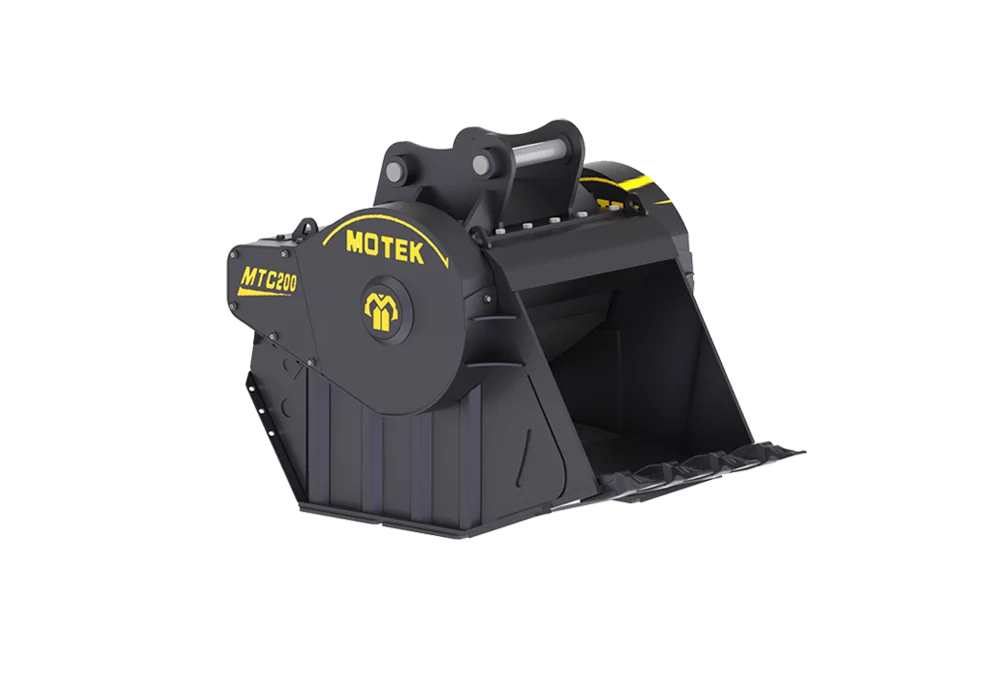
Leveraging its full‑industry‑chain independent R&D capabilities, MOTEK’s soil stabilization integrated system builds a global competitive edge. MOTEK specialises in the design, production, global sales, rental, customised technical solutions, and on‑site construction services of screening crushing buckets, jaw crushing buckets, and the MOTEK soil stabilization integrated system. The company holds multiple proprietary patents for special wear
‑resistant blades, dedicated hydraulic drives, and intelligent hydraulic controls. Through long‑term optimisation under various complex working conditions worldwide, the entire stabilization equipment series offers outstanding stability, continuous operation capability, and overall cost‑effectiveness. It can be customised to suit different soil types, working depths, and excavator models, and is compatible with a wide range of mainstream excavators by tonnage. With a complete industrial chain, the company has formed a professional soil stabilization construction team, having completed over 6 million cubic metres of stabilization work. It is the only domestic service provider that combines independent equipment R&D and mass production with large‑scale construction experience, while also being able to export equipment and technical services overseas. Adhering to the business philosophy of“integrity‑based, responsibility‑driven, customer‑success oriented, and win‑win cooperation”, MOTEK provides full‑process soft‑ground treatment support for engineering clients worldwide, relying on its mature MOTEK soil stabilization integrated equipment.
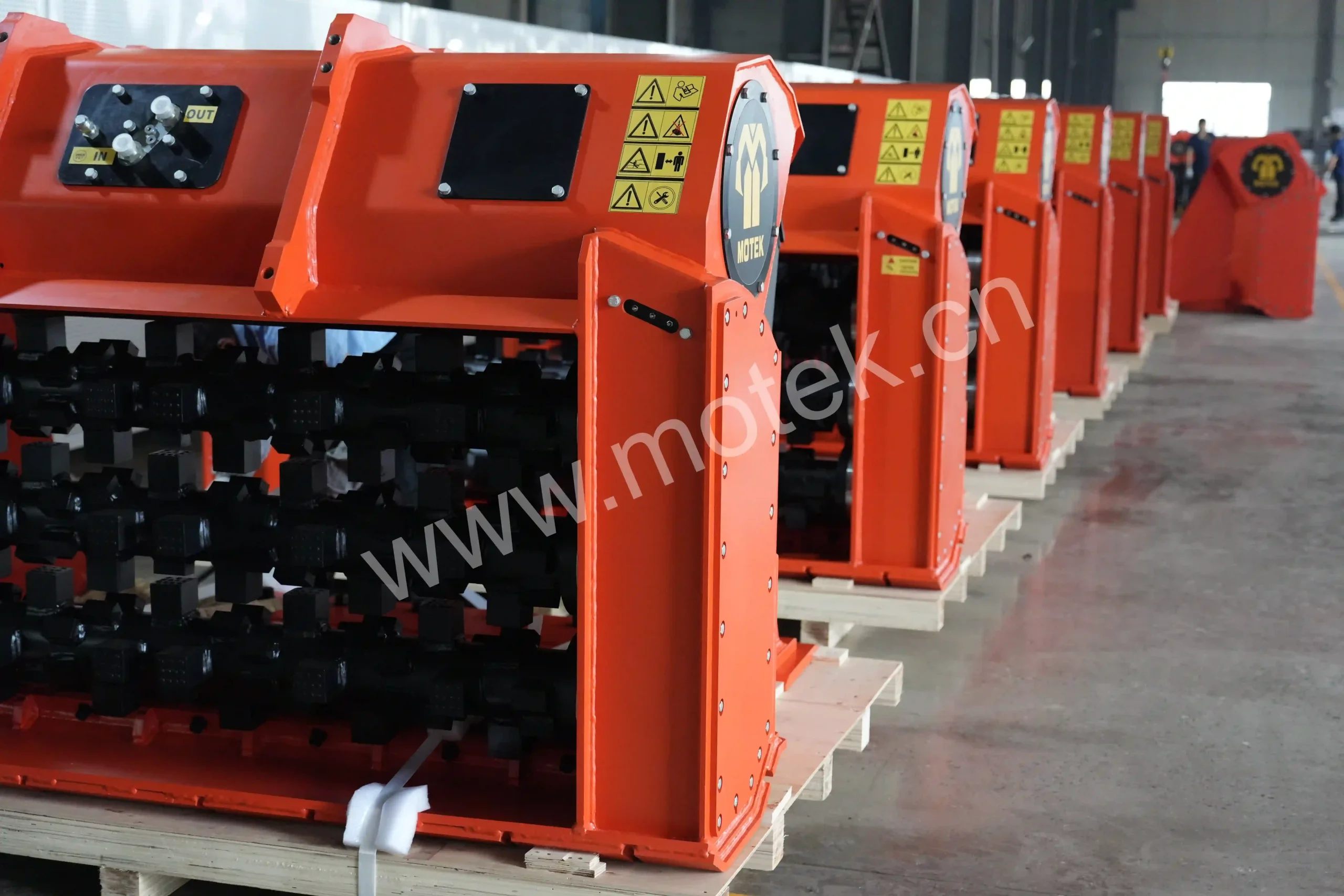
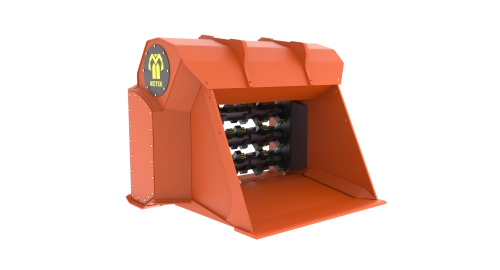
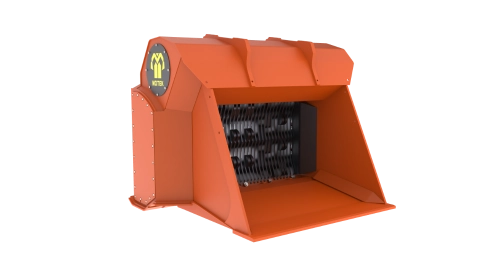
Core 1: MOTEK Soil Stabilization power mixing head (MTM series)–all‑weather adaptability to complex global geology. As the core equipment of the entire stabilization system, the MTM series power power mixing heads are equipped with internationally renowned hydraulic motors and control spool valves, supporting 24/7 high‑intensity continuous operation. They can handle various challenging ground conditions worldwide, including highly organic sludge, hard clay, and coastal dredged fill. Key advantages include: unique Y‑shaped penetration structure to reduce resistance when drilling into hard layers, improving efficiency; bi‑directional rotation mixing mechanism–two‑stage mixing during both downward penetration and upward withdrawal, ensuring superior homogeneity of binder and soil; mixing blades made of high‑strength, wear‑resistant special steel, with excellent impact and abrasion resistance, ideal for long‑term overseas projects; built‑in intelligent automatic speed control–the equipment identifies soil hardness and adjusts accordingly: fast mixing in soft soils, slow but powerful penetration in hard soils; standard processing capacity of 40‑70 m³per hour per unit; dual‑purpose capability–by switching reagents, it can also be used for contaminated soil remediation, broadening its application in overseas projects.
Core 2: Intelligent PLC batching control unit–fully automated support for the MOTEK stabilization system. Developed in tandem with the MTM power power mixing head, the intelligent batching workbench features a fully automated PLC control system. Operators simply input soil parameters, binder mix ratios, working depth, and other data; the system then automatically performs powder feeding, precise weighing, slurry preparation, and high‑pressure delivery–covering the entire process. A single control unit can simultaneously coordinate two MOTEK power power mixing heads, effectively reducing equipment investment and labour costs. Coupled with a high‑pressure long‑distance delivery pump, the binder slurry can be conveyed up to 700 metres, minimising the frequent relocation of powder silos. This significantly shortens project schedules on both domestic and international sites and reduces site transfer costs.
MOTEK soil stabilization integrated system has been successfully deployed in several key domestic projects, including soft ground treatment for China Energy Engineering Group’s (CEEC) Gezhouba Electric Power substation, solar farm ground stabilisation on coastal tidal flats, urban river sludge treatment, and industrial park soft‑soil foundation reinforcement. Meanwhile, the complete equipment can be exported as a whole or provided with overseas technical guidance, suitable for Southeast Asian port development, overseas photovoltaic bases, and contaminated site remediation in Europe and the Americas. In one domestic substation project, a large area of sludge exhibited insufficient bearing capacity. Conventional grouting would have required multiple rigs occupying the planned station area and posed extreme difficulties in waste slurry disposal. Using multiple MOTEK power power mixing heads working in parallel across different zones, the soft soil was stabilised in‑situ without excavation or sludge haulage. After completion, the bearing capacity fully met the requirements for large electrical equipment, while also shortening site levelling time and avoiding environmental risks associated with spoil transport. The ability to deploy multiple units simultaneously – with quick assembly and easy relocation – makes the system suitable for large contiguous land parcels worldwide, whether on open coastal flats or constrained urban sites, ensuring stable continuous operation. With countries around the world tightening environmental regulations and promoting low‑carbon, zero‑waste construction models, the traditional drawbacks of grouting and soil replacement – high haulage, high pollution, and high costs – are becoming increasingly apparent. The MOTEK soil stabilization system achieves “on‑site soil sourcing and on‑site improvement” with zero spoil generation and no waste slurry discharge. It eliminates fugitive dust from spoil transport and secondary soil contamination from the outset, fully aligning with global “zero‑waste city” initiatives and carbon‑peak/carbon‑neutrality strategies. Compared with conventional techniques, MOTEK stabilization eliminates the need to purchase imported fill materials and avoids expensive sludge disposal fees, significantly reducing overall construction costs. The integrated intelligent equipment simplifies the construction sequence, allowing uninterrupted continuous operation over large areas and effectively shortening the overall schedule. The stabilised soil mass exhibits high integrity and controlled post‑construction settlement, substantially lowering long‑term maintenance costs for the project. Looking at the global market, MOTEK will continue to upgrade its soil stabilization integrated system, refining the MTM power power mixing head structure and the intelligent batching system to suit various regional soil types worldwide. We remain committed to providing customised equipment, full construction technology solutions, and professional on‑site technical services to clients both at home and abroad. Our goal is to break the industry’s entrenched reliance on a single grouting approach, and to promote the green, efficient, and economical MOTEK soil stabilization technology for the high‑quality development of soft ground improvement, soil remediation, renewable energy, and municipal infrastructure projects globally.
Author

Lilly Liu
MOTEK Director of International Sales Equipped with 15 years of dedicated experience in the construction machinery industry, she has a deep understanding of global market dynamics and regional customer needs. She has successfully led teams to penetrate key international markets, particularly in promoting construction machinery attachments and securing high-value overseas orders.