


What Type of Crusher Bucket Is Suitable for 21–32 Ton Excavators?
Release time: 2026-06-18
Table of Contents
In the construction, demolition, mining, and recycling industries, excavators in the 21–32 ton class are among the most versatile and widely used machines. Their balance of power, reach, and lifting capacity makes them ideal for handling demanding projects. To maximize productivity, many contractors equip these excavators with a crusher bucket, allowing them to process concrete, asphalt, bricks, and natural stone directly on-site.
But what type of crusher bucket is suitable for 21–32 ton excavators? Choosing the right attachment involves much more than simply matching the excavator’s weight. Factors such as crushing capacity, hydraulic performance, material type, durability, and maintenance all play an important role.
This guide explains everything you need to know before selecting the ideal crusher bucket for a 21–32 ton excavator.
Why Use a Crusher Bucket on a 21–32 Ton Excavator?
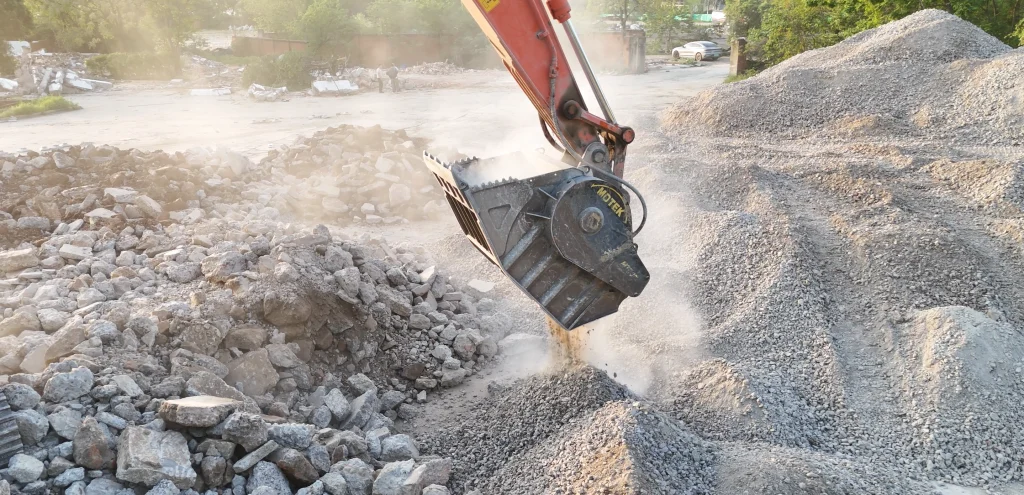
Crusher buckets transform an excavator into a mobile crushing plant. Instead of transporting demolition waste to an off-site recycling facility, operators can crush materials directly at the job site and reuse them as base material or backfill.
The benefits include:
- Lower transportation costs
- Reduced landfill disposal fees
- Faster project completion
- Environmentally friendly recycling
- Increased equipment utilization
- Lower aggregate purchasing costs
For medium-to-large construction projects, a crusher bucket can significantly improve both productivity and profitability.
The Ideal Crusher Bucket Size for 21–32 Ton Excavators
A crusher bucket designed for excavators between 21 and 32 tons offers the perfect balance between crushing force and operational efficiency.
Typical specifications include:
- Excavator operating weight: 21–32 tons
- Bucket weight: 2,000–3,500 kg
- Jaw opening: 700–1,100 mm
- Output size: Adjustable from approximately 20–120 mm
- Crushing capacity: 20–50 tons per hour (depending on material)
- Hydraulic oil flow: 180–260 L/min
- Working pressure: 220–350 bar
These specifications allow operators to process a wide range of materials while maintaining excellent stability during operation.
Which Type of Crusher Bucket Works Best?
Several types of crusher buckets are available on the market, but for excavators in the 21–32 ton range, the following options are the most common.
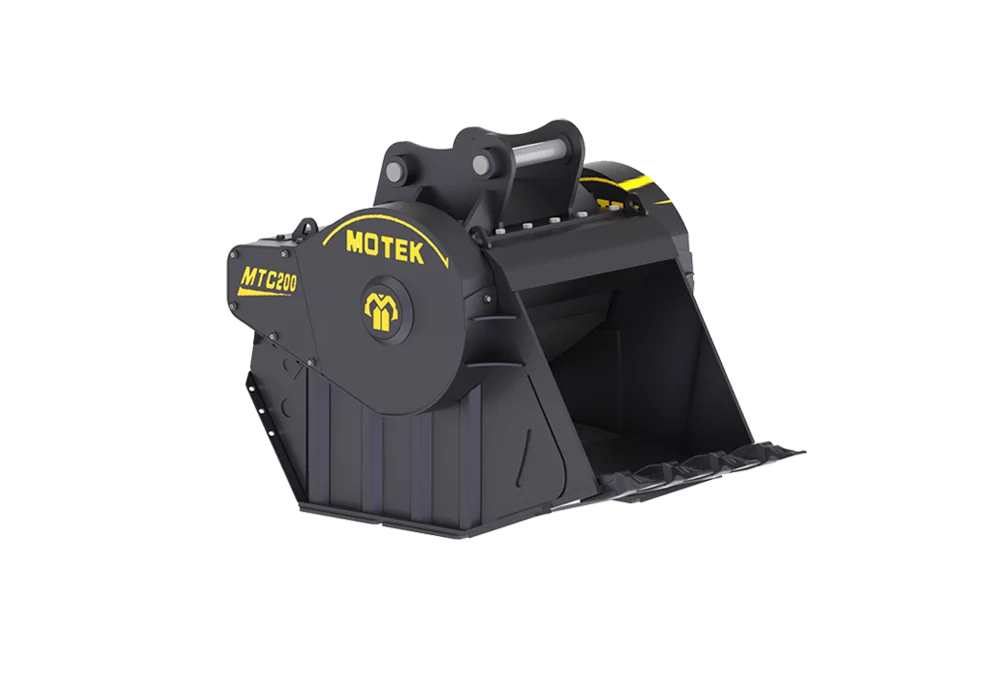
1. Jaw Crusher Bucket
The jaw crusher bucket is the most popular option.
It uses two heavy-duty jaw plates that compress material until it breaks into smaller pieces. One jaw remains stationary while the other moves back and forth.
Advantages include:
- Excellent crushing efficiency
- Suitable for reinforced concrete
- Handles hard rock effectively
- Adjustable discharge size
- Low operating costs
- High reliability
This type is ideal for demolition contractors, recycling companies, and quarry operations.
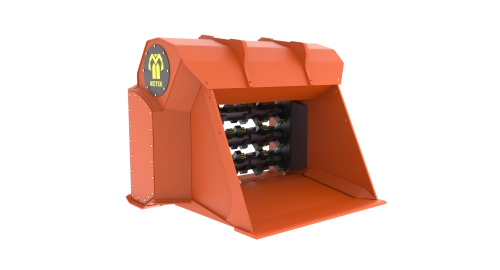
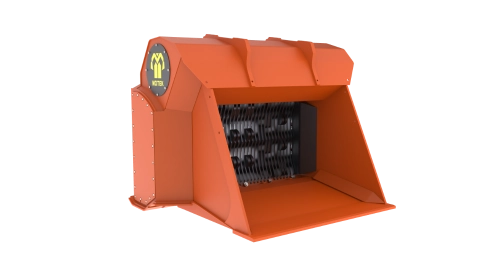
2. Rotary Crusher Bucket
Rotary crusher buckets utilize rotating drums or cutters to break materials apart.
They are commonly used for:
- Asphalt recycling
- Soft rock
- Clay
- Frozen soil
- Mixed construction waste
While they offer smooth operation, they generally produce lower crushing force than jaw crusher buckets.
3. Impact Crusher Bucket
Impact crusher buckets crush material through high-speed impact instead of compression.
They are suitable for:
- Limestone
- Concrete debris
- Asphalt
- Medium-hard materials
However, impact systems usually require higher maintenance and wear parts replacement.
For most 21–32 ton excavators, the jaw crusher bucket remains the preferred choice due to its durability and versatility.
Materials That Can Be Crushed
A quality crusher bucket can process numerous materials, including:
- Reinforced concrete
- Concrete blocks
- Asphalt pavement
- Natural stone
- Granite
- Limestone
- Marble
- Brick
- Roof tiles
- Construction debris
- Demolition waste
- River rock
Some models are even capable of crushing material containing light reinforcing steel, although excessive steel should always be removed beforehand.
Hydraulic Requirements
One of the most important considerations is hydraulic compatibility.
A crusher bucket relies entirely on the excavator’s hydraulic system for power.
Before purchasing, verify the following:
- Hydraulic oil flow rate
- Maximum operating pressure
- Return line pressure
- Auxiliary hydraulic circuit
- Drain line requirements
A mismatch between the excavator and crusher bucket can reduce performance and increase wear.
Manufacturers generally specify the recommended hydraulic settings for each model.
Key Features to Look For
When selecting a crusher bucket for a 21–32 ton excavator, consider the following features.
Heavy-Duty Construction
Look for wear-resistant steel such as Hardox® or equivalent materials that provide superior resistance against abrasion and impact.
Adjustable Output Size
The ability to change the crushed material size increases versatility for different projects.
Large Jaw Opening
A wider inlet allows larger chunks of concrete or rock to enter the crushing chamber, improving productivity.
Reverse Rotation Function
Some crusher buckets include reverse rotation to help clear blockages without manual intervention.
Easy Maintenance
Replaceable wear plates, grease points, and accessible components help reduce downtime.
Reliable Bearings and Seals
Premium bearings extend service life under harsh working conditions.
Common Applications
Crusher buckets for 21–32 ton excavators are widely used in many industries.
Demolition Projects
Concrete from demolished buildings can be crushed into reusable aggregate directly on-site.
Road Construction
Old asphalt and concrete pavement can be recycled into road base materials.
Quarry Operations
Natural stone can be crushed into smaller aggregate for further processing.
Pipeline Construction
Excavated rock can be reused as backfill instead of importing new aggregate.
Urban Construction
Limited working space makes mobile crushing with an excavator particularly valuable.
Recycling Centers
Construction waste can be processed efficiently while reducing transportation costs.
Benefits of Choosing the Right Crusher Bucket
A properly matched crusher bucket offers several long-term advantages.
Increased Productivity
On-site crushing eliminates multiple handling stages and speeds up project completion.
Cost Savings
Contractors save money on:
- Material transportation
- Landfill disposal
- Aggregate purchases
- Equipment rental
Environmental Benefits
Recycling demolition materials reduces landfill waste and lowers carbon emissions associated with hauling materials.
Better Equipment Utilization
Instead of purchasing a separate mobile crusher, contractors maximize the use of their existing excavator fleet.
Maintenance Tips
Regular maintenance keeps a crusher bucket operating efficiently.
Best practices include:
- Inspect jaw plates daily
- Check hydraulic hoses for leaks
- Lubricate bearings regularly
- Tighten bolts and fasteners
- Replace worn teeth and liners promptly
- Clean debris after each work shift
- Monitor hydraulic oil quality
Preventive maintenance reduces unexpected downtime and extends equipment life.
How to Choose the Best Crusher Bucket Supplier
Selecting a reliable supplier is just as important as choosing the right model.
Look for manufacturers that offer:
- High-quality steel construction
- Strict quality control
- Hydraulic compatibility support
- Replacement wear parts availability
- Technical assistance
- Warranty coverage
- International certifications
- Positive customer reviews
An experienced manufacturer can also recommend the most suitable model based on your excavator brand and application.
Final Thoughts
A crusher bucket for 21–32 ton excavators is an excellent investment for contractors involved in demolition, construction, quarrying, and recycling. Among the available options, jaw crusher buckets are generally the best choice due to their powerful crushing performance, durability, and versatility.
When selecting a crusher bucket, pay close attention to hydraulic compatibility, crushing capacity, build quality, maintenance requirements, and material handling capabilities. A well-matched attachment will increase productivity, reduce operating costs, minimize waste, and help transform demolition materials into valuable reusable resources.
By choosing the right crusher bucket for your 21–32 ton excavator, your business can improve job site efficiency, maximize return on investment, and contribute to more sustainable construction practices.
What size excavator is suitable for a crusher bucket?
Crusher buckets are available for excavators ranging from approximately 5 to over 70 tons. For medium-sized construction and demolition projects, a crusher bucket designed for 21–32 ton excavators provides an ideal balance of power, efficiency, and crushing capacity.
Can a crusher bucket crush reinforced concrete?
Yes. Most heavy-duty jaw crusher buckets can crush reinforced concrete. However, excessive or oversized steel reinforcement should be removed beforehand to prevent unnecessary wear and improve crushing efficiency.
What materials can a crusher bucket process?
Crusher buckets can process a wide variety of materials, including:
Concrete
Asphalt
Brick
Limestone
Granite
Natural stone
Roof tiles
Construction waste
Demolition debris
How much material can a crusher bucket crush per hour?
Depending on the material, excavator model, and crusher bucket specifications, production typically ranges from 20 to 50 tons per hour for 21–32 ton excavators.
Is a jaw crusher bucket better than an impact crusher bucket?
For most construction and demolition applications, jaw crusher buckets are preferred because they offer higher durability, lower maintenance, and better performance when crushing hard materials such as reinforced concrete and natural stone.
What hydraulic flow is required for a crusher bucket?
Most crusher buckets designed for 21–32 ton excavators require approximately 180–260 L/min of hydraulic oil flow and 220–350 bar operating pressure. Always verify the manufacturer’s specifications for compatibility.
Author

Lilly Liu
MOTEK Director of International Sales Equipped with 15 years of dedicated experience in the construction machinery industry, she has a deep understanding of global market dynamics and regional customer needs. She has successfully led teams to penetrate key international markets, particularly in promoting construction machinery attachments and securing high-value overseas orders.