

What is the Role of a Screening and Crushing Bucket in Construction and Demolition?
Release time: 2026-05-08
The modern construction and demolition industry is undergoing a massive transformation. With rising transportation costs, stricter environmental regulations, and shrinking project margins, contractors can no longer rely on the outdated model of hauling waste to off-site processing facilities. Instead, the industry is moving toward decentralized, on-site material processing. At the heart of this operational shift are two indispensable heavy machinery attachments: the screening bucket and the crushing bucket.
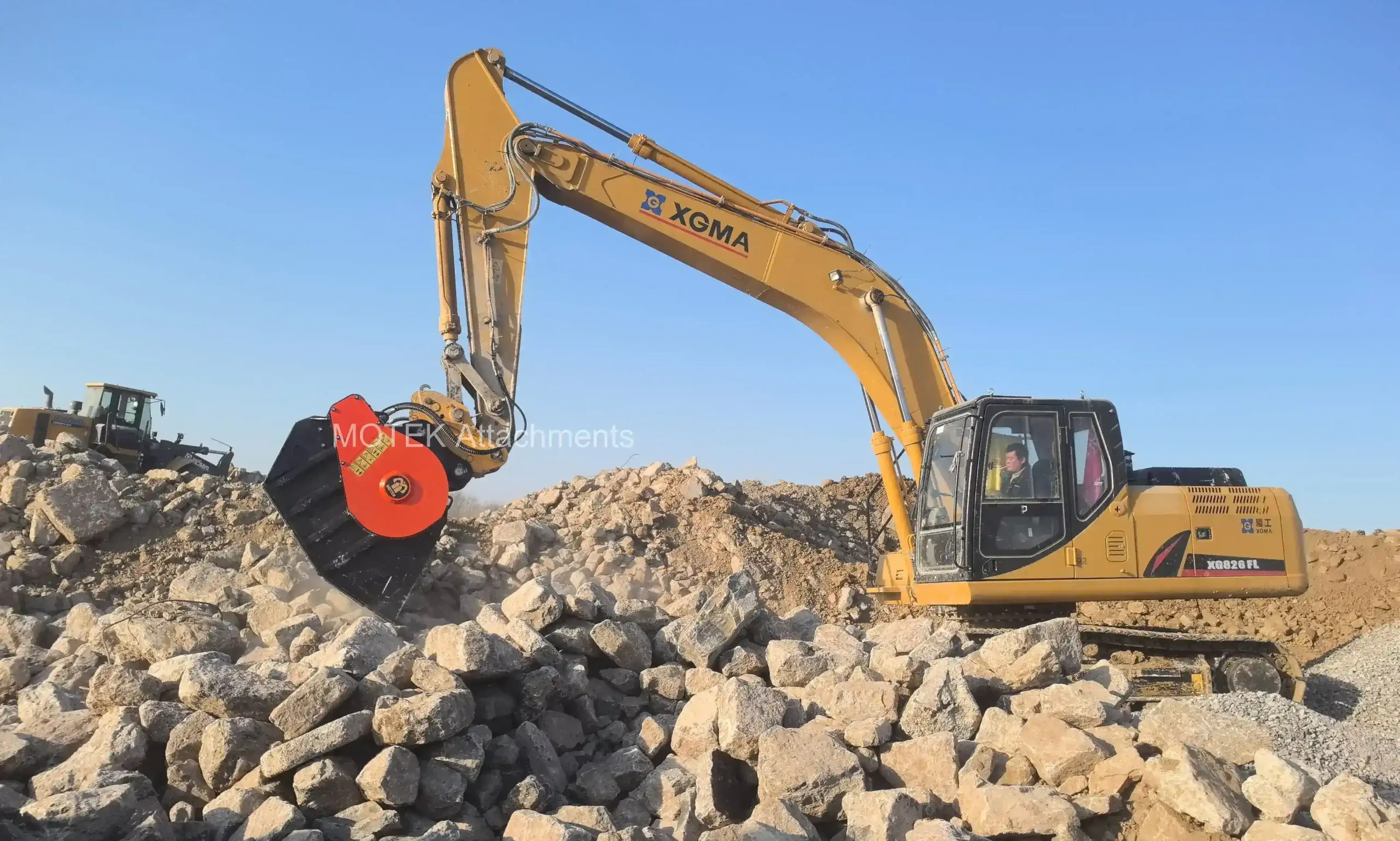
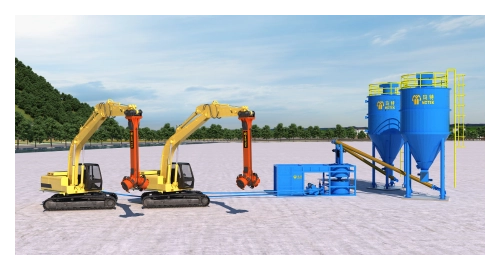
But what exactly is the role of a screening and crushing bucket in construction and demolition? Simply put, these attachments transform a standard excavator into a highly flexible, compact mobile processing plant. By enabling contractors to crush concrete and sort aggregate directly on the job site, these tools streamline earthmoving operations and also turn demolition liabilities into profitable, reusable assets.

The Core Functions: How These Attachments Work
To fully grasp their impact on a job site, it is crucial to understand the distinct, yet complementary, mechanical roles these two attachments play.
Crushing Buckets: On-Site Pulverization
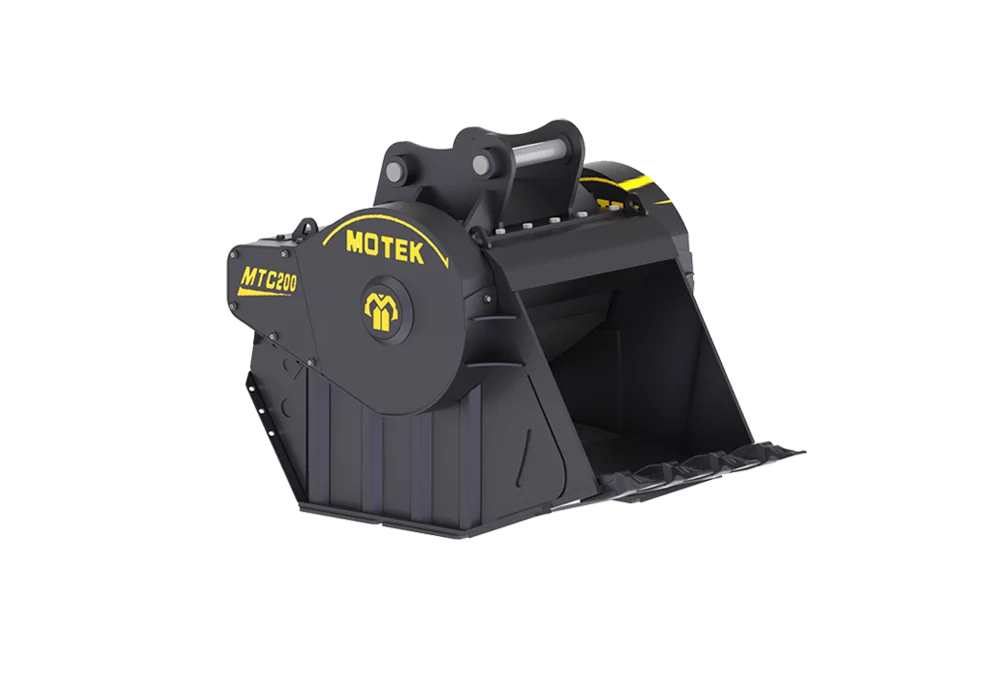
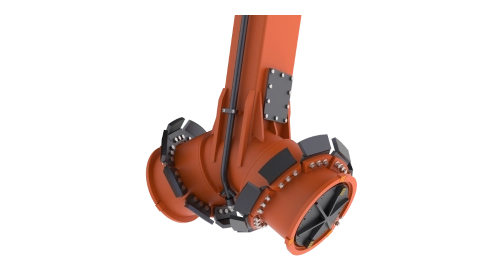
A crushing bucket typically utilizes a heavy-duty jaw crusher mechanism housed within the bucket frame. Powered by the excavator’s auxiliary hydraulic system, the internal jaws compress and shatter hard materials such as reinforced concrete, brick, asphalt, and natural rock.
The primary role of a crushing bucket is volume reduction and material repurposing. Instead of loading bulky concrete slabs onto a dump truck, the operator scoops up the debris, crushes it down to a specified aggregate size, and deposits it directly into a designated stockpile or trench.
Screening Buckets: Material Separation and Sorting
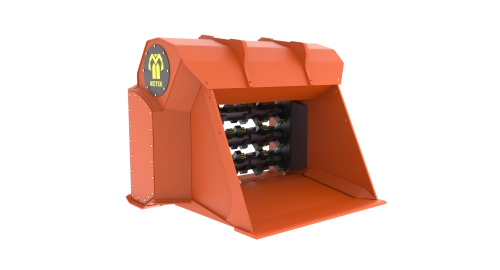
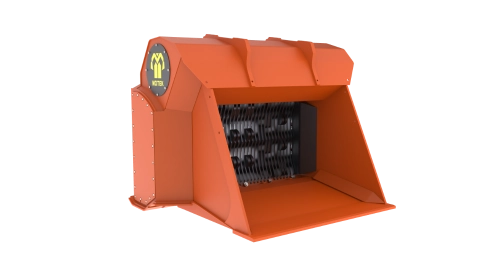
While crushing buckets break materials down, screening buckets sort them out. Utilizing rotating trommel drums, star shafts, or vibrating grates, a screening bucket separates mixed materials based on size.
In a demolition setting, a screening bucket can sift through a pile of rubble to separate fine soil and dust from large chunks of usable concrete or rock. In earthmoving and pipeline projects, it is used to filter out oversized boulders and roots from topsoil, leaving behind a fine, high-quality material perfectly suited for immediate backfilling.
Key Advantages in Construction and Demolition Projects
Integrating these attachments into your heavy equipment fleet fundamentally changes how a demolition site is managed. The benefits extend far beyond mere convenience, heavily impacting the bottom line.
1. Maximizing Construction Waste Recycling
One of the most significant roles of these attachments is facilitating true construction waste recycling. In traditional demolition, mixed debris is treated as garbage. By using a screening bucket to separate dirt from concrete, and then using a crushing bucket to pulverize that concrete into a uniform sub-base aggregate, contractors can instantly reuse the material to build temporary access roads or foundation pads on the very same site. This closed-loop approach dramatically reduces the environmental footprint of a project.
2. Drastic Reduction in Transportation and Landfill Costs
Every time a dump truck leaves a job site carrying debris, it eats into the project’s profit margin. You are paying for fuel, driver wages, vehicle wear-and-tear, and exorbitant landfill tipping fees. Furthermore, you often have to pay a second time to have new aggregate delivered back to the site.
By utilizing excavator crushing buckets, you eliminate this double-handling. The material never leaves the site. For global contractors and project managers, this reduction in logistical overhead often pays for the cost of the attachment within the first few major projects.
3. Enhanced Operational Flexibility in Confined Spaces
Urban demolition sites, roadwork trenches, and residential construction zones are often cramped, leaving no room for a stationary crushing plant or a fleet of loaders. This is where the superior mobility of an excavator shines. Equipped with a crushing or screening bucket, the carrier machine can navigate tight alleyways, process material directly over a trench, or stockpile aggregate in highly specific zones. This agility unlocks the excavator’s multi-functional potential, dramatically boosting equipment utilization efficiency.
Strategic Sourcing: Upgrading Your Fleet for Less
Recognizing the indispensable role of these attachments is only the first step; acquiring them cost-effectively is the next challenge. For procurement managers and fleet operators, balancing upfront capital expenditure with equipment durability is crucial.
While premium new attachments carry a hefty price tag, many savvy contractors achieve a superior return on investment by exploring the secondary market. Partnering with a reliable used construction machinery supplier provides access to top-tier, rigorously inspected excavator attachments at a fraction of the cost. Sourcing lightly used machinery allows contractors to scale their capabilities—acquiring both a dependable carrier machine and a suite of processing buckets—without over-leveraging their business capital.
Furthermore, importing directly from experienced international trade suppliers ensures that you receive equipment perfectly matched to your excavator’s hydraulic flow and tonnage requirements, preventing costly on-site mismatches.
Synergizing Screening and Crushing Operations
For maximum efficiency, the ultimate C&D workflow involves utilizing both attachments in tandem. For example, during a bridge demolition, a contractor might first use a screening bucket to remove the loose dirt and fines from the rubble pile. This prevents the abrasive dirt from unnecessarily wearing down the internal jaws of the crushing bucket. Once the clean concrete is isolated, the operator swaps to the crushing bucket to process the concrete down to a 2-inch minus aggregate.
This synergistic approach speeds up the processing time and also drastically extends the lifespan of the equipment’s internal wear parts, such as the jaw plates and drive belts.
Conclusion: The Future of Profitable Earthmoving
The role of a screening and crushing bucket in construction and demolition goes far beyond simple material handling; they are strategic tools for financial and operational optimization. By transforming standard excavators into dynamic, on-site processing centers, these attachments empower contractors to take control of their supply chain, slash logistical expenses, and lead the charge in sustainable building practices.
Whether you are preparing a commercial site for new development or dismantling an aging industrial complex, the ability to sort, crush, and recycle materials on-demand is no longer a luxury—it is a competitive necessity.
Author

Gershon Zhou
MOTEK R&D Director With 18 years of focused experience in the construction machinery attachment industry. As a National Certified Senior Engineer, he is a well-recognized technical leader in the field of earthmoving machine attachments.