

How to Choose the Right Crusher Bucket for Your Excavator?
Release time: 2026-09-11
- 1. Start With the Excavator’s Operating Weight
- 2. Check Hydraulic Flow and Pressure
- 3. Consider the Size of the Material
- 4. Match the Bucket to the Excavator
- 5. Pay Attention to Bucket Weight and Machine Balance
- 6. Look at the Crushing Components
- 7. Check the Hydraulic and Mounting Connections
- 8. Choose a Model Based on the Actual Workload
- Frequently Asked Questions
- Final Thoughts
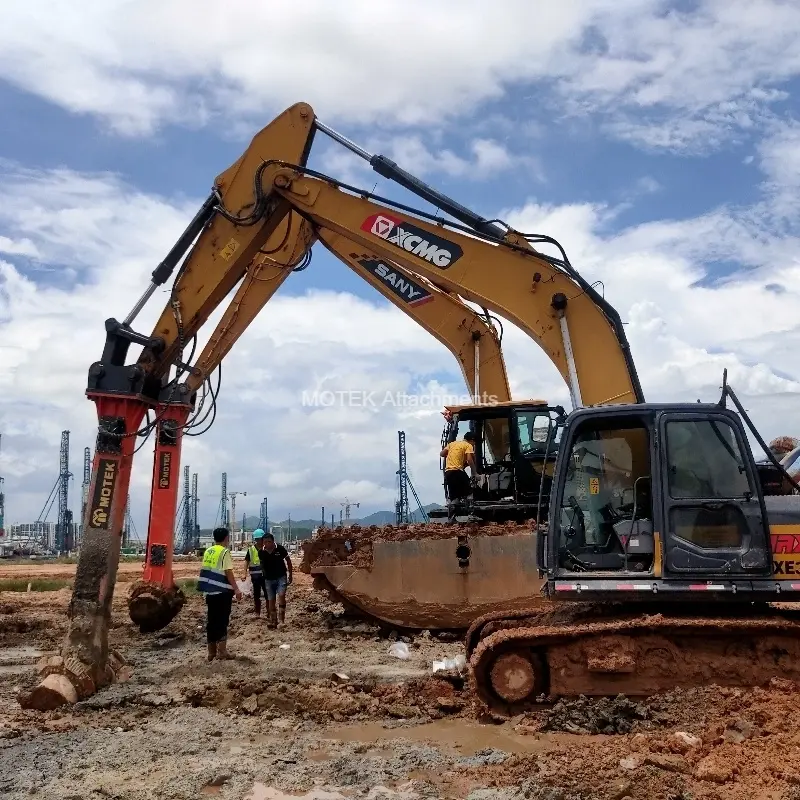
Choosing the right crusher bucket starts with understanding the excavator it will be mounted on. MOTEK offers crusher buckets for different excavator weight ranges, but the bucket model or size alone should not determine the final choice. Hydraulic flow, working pressure, attachment weight, feed opening, and the type of material being processed all have a direct effect on performance.
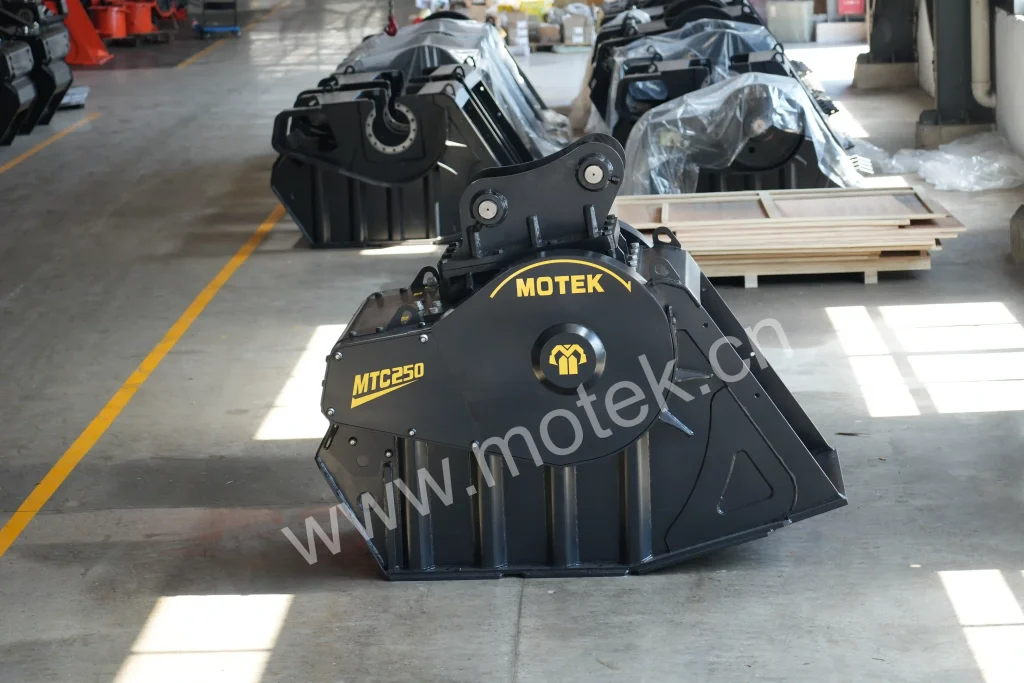
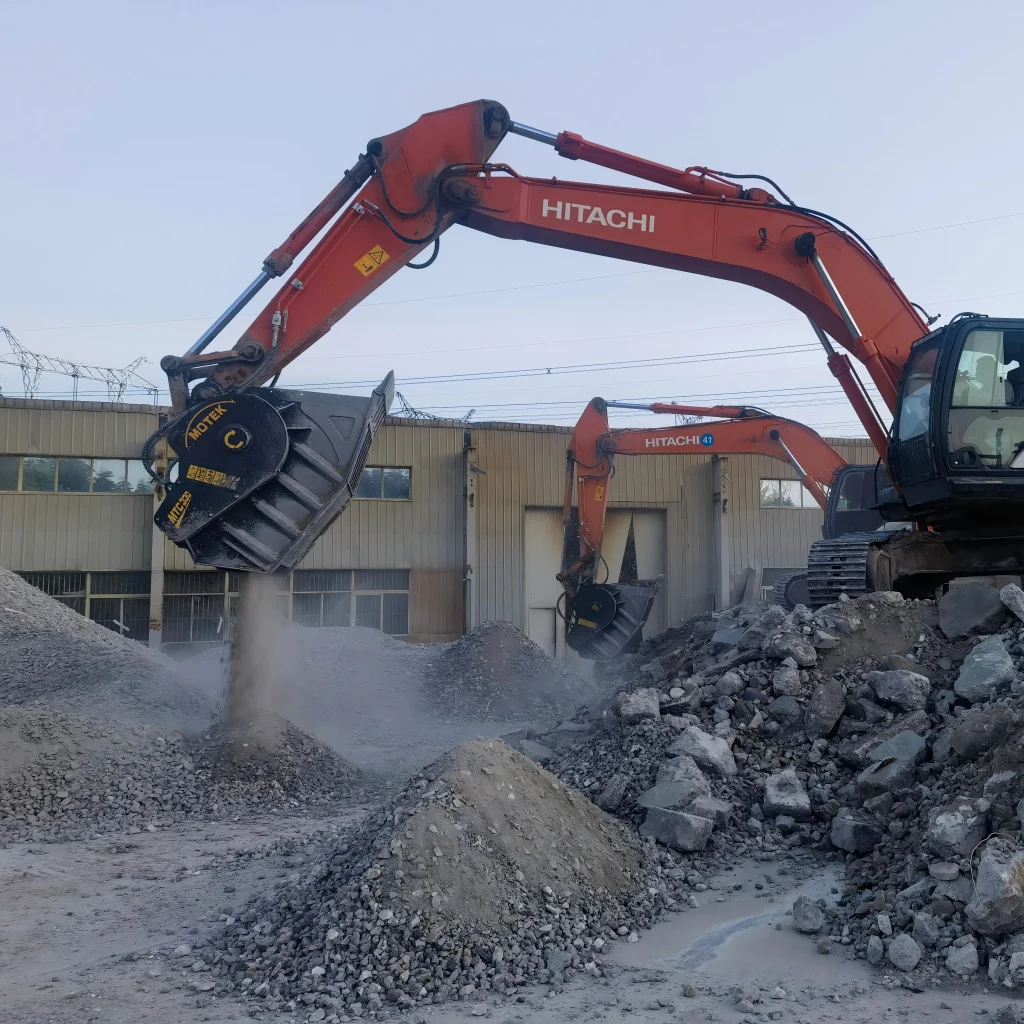
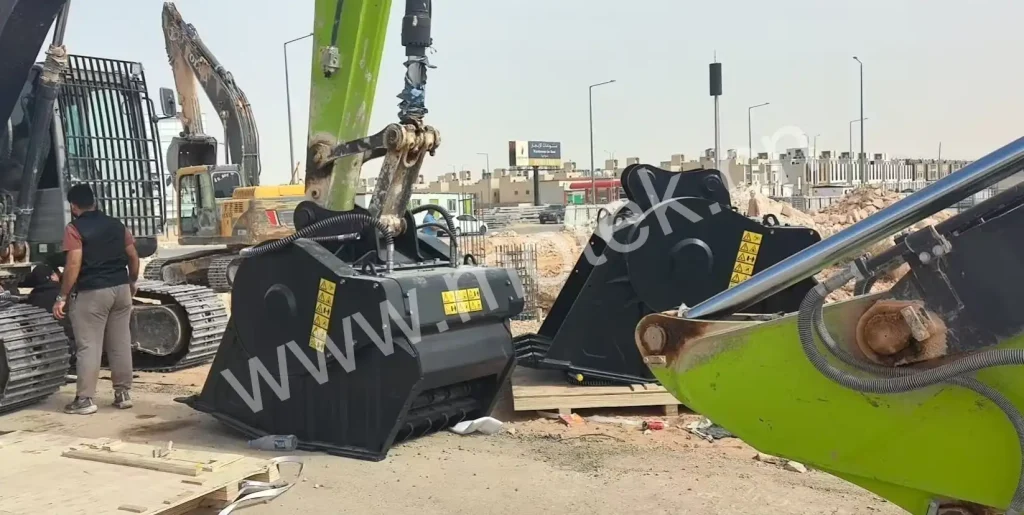
For buyers looking for a rock crusher bucket for excavator, checking these specifications before purchase can help avoid compatibility problems and make better use of the excavator’s existing power.
1. Start With the Excavator’s Operating Weight
The excavator’s operating weight is one of the first specifications to check. A crusher bucket is generally heavier than a standard digging bucket, so the attachment needs to stay within the excavator’s lifting and operating range.
A bucket that is too large can affect machine stability and hydraulic performance. Choosing one that is too small, on the other hand, may leave the excavator underused and limit the amount of material processed in each cycle.
Before choosing a model, check:
- Excavator operating weight
- Rated lifting capacity
- Boom and arm configuration
- Attachment mounting dimensions
- Available hydraulic power
The right excavator rock crusher bucket should be matched to the actual excavator rather than selected by bucket size alone.
2. Check Hydraulic Flow and Pressure
Hydraulic compatibility is another key point. The crushing mechanism depends on the excavator’s hydraulic system, so the available flow and pressure need to meet the bucket’s requirements.
Too little flow can slow the attachment down, while unsuitable pressure can place additional strain on the hydraulic components.
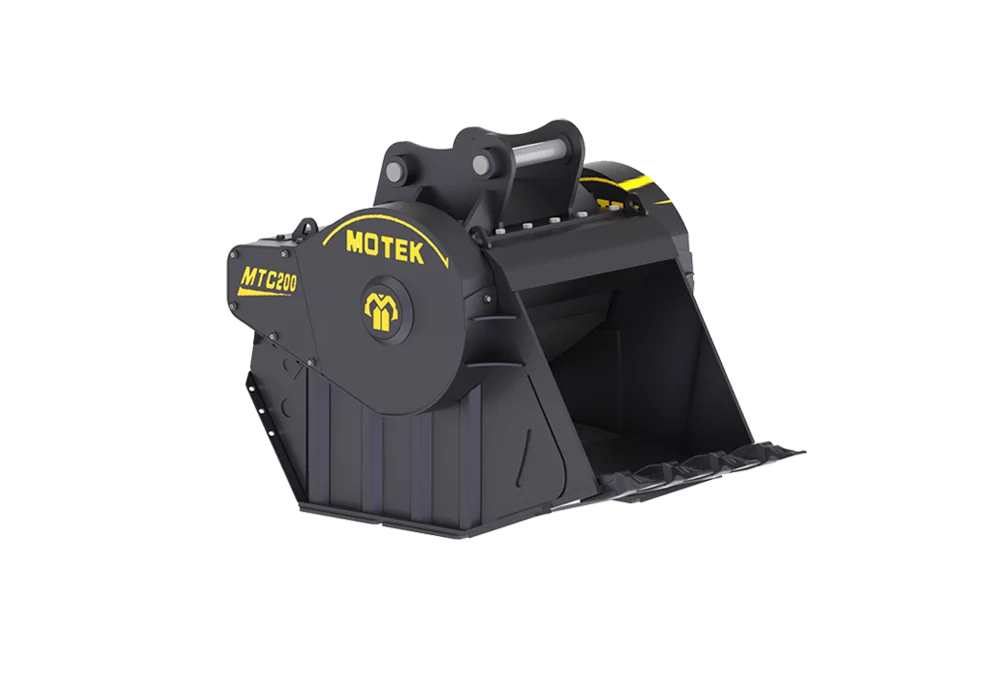
Take the MTC200 as an example. It is designed for 18.5–29 ton excavators and has a hydraulic flow requirement of 150–220 L/min, with hydraulic pressure above 220 bar. Comparing these figures with the excavator’s own hydraulic specifications gives a much clearer idea of whether the model is suitable.
When comparing crusher buckets, the following specifications are worth checking:
| Parameter | Why It Matters |
| Excavator weight | Determines whether the machine can safely carry the bucket |
| Hydraulic flow | Influences the operating speed of the crushing system |
| Hydraulic pressure | Provides the power needed for crushing |
| Bucket weight | Affects machine balance and lifting performance |
| Attachment dimensions | Confirms physical compatibility |
| Feed opening | Determines the size of material that can enter the bucket |
| Capacity | Influences the amount processed per cycle |
A quick comparison of these figures can rule out unsuitable models before moving on to other details.
3. Consider the Size of the Material
The material being crushed also has a direct effect on bucket selection. Concrete, limestone, basalt, and construction waste can vary considerably in size and hardness, so the feed opening and crushing configuration need to suit the material being handled.
A larger feed opening is useful when the incoming material contains larger pieces. If the opening is too small, additional material preparation may be needed before crushing, adding another step to the process.
This is particularly relevant when selecting a hydraulic crusher bucket for jobs where material size is not always consistent.
Instead of looking only at the bucket’s capacity, consider the usual feed size and the output size required for the project. These factors often have a greater impact on whether a bucket is practical for the job.
4. Match the Bucket to the Excavator
It can be tempting to choose the largest bucket available when a project involves a high volume of material. However, the excavator still needs enough hydraulic and mechanical capacity to operate that bucket properly.
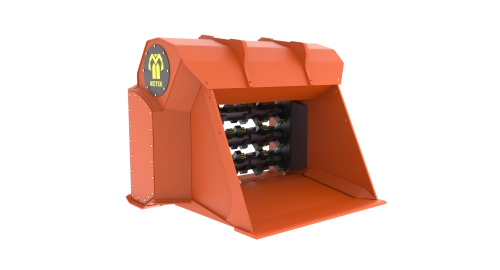
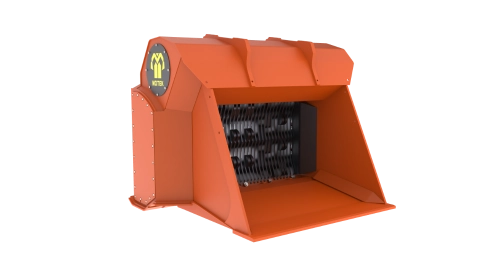
The MOTEK crusher bucket range includes several models for different excavator classes:
| Model | Applicable Excavator | Capacity | Hydraulic Flow |
| MTC200 | 18.5–29 T | 0.85 m³ | 150–220 L/min |
| MTC250 | 21–32 T | 0.95 m³ | 180–240 L/min |
| MTC330 | 30–50 T | — | — |
These models cover different excavator weight ranges, giving buyers a useful starting point when comparing options. The final selection should still be checked against the excavator’s hydraulic system and the conditions of the job.
For smaller machines, a mini excavator crusher bucket may be a better fit than simply moving up to a larger model. A well-matched attachment should give the excavator enough power to work efficiently without compromising stability.
5. Pay Attention to Bucket Weight and Machine Balance
Crusher buckets are heavier than standard buckets because they contain the crushing mechanism and hydraulic components. That extra weight changes how the excavator handles the attachment, particularly when the boom is extended.
For this reason, the empty bucket weight is only part of the picture. The weight of the material inside the bucket also needs to be considered.
A properly matched attachment helps the excavator remain stable while loading, lifting, and positioning material. It also reduces unnecessary stress on the boom, arm, and hydraulic system.
6. Look at the Crushing Components
After confirming the basic compatibility, it is worth taking a closer look at how the crusher bucket is built.
The main structure needs to withstand repeated impact, while the jaw plates are exposed directly to the material being crushed. Wear-resistant steel and suitable jaw plate materials can therefore make a difference over long periods of use.
For instance, the MTC200 uses Baosteel NM400/NM500 for its main structure and Mn18Cr2Mo for the jaw plates. These materials are selected to provide the strength and wear resistance required in crushing operations.
The right material configuration will still depend on the type of work. A buyer handling abrasive rock regularly may have different requirements from one mainly processing general construction material.
7. Check the Hydraulic and Mounting Connections
A bucket can have the right weight and capacity and still be difficult to install if the hydraulic or mounting configuration does not match the excavator.
Before placing an order, check:
- Hydraulic connection type
- Available hydraulic lines
- Hydraulic flow and pressure
- Drain line requirements
- Mounting dimensions
- Control configuration
This is especially important if the crusher bucket will be moved between different excavators. Confirming these details before delivery can save considerable time during installation.
A supplier familiar with excavator attachments should also be able to review the excavator specifications and confirm compatibility before production.
8. Choose a Model Based on the Actual Workload
The largest crusher bucket is not automatically the best choice. The better option is the one that matches the excavator and provides enough capacity for the work without overloading the machine.
For occasional crushing jobs, a smaller attachment may offer more flexibility. For regular heavy-duty work, a larger model can make sense when the excavator has the required hydraulic and lifting capacity.
This is also where customization can be useful. If the standard configuration does not fully match an excavator or a specific working requirement, OEM/ODM support can provide another option.
Frequently Asked Questions
1. What excavator size is suitable for a crusher bucket?
It depends on the specific crusher bucket model. For example, the MTC200 is listed for 18.5–29 ton excavators, while the MTC330 is designed for 30–50 ton excavators. Hydraulic and mounting specifications should also be checked before installation.
2. Can a crusher bucket be used on a mini excavator?
Some crusher bucket models are designed for smaller excavators. However, excavator weight is only one part of the selection process. Hydraulic flow, pressure, attachment weight, and mounting dimensions also need to match.
3. How can I tell whether my excavator has enough hydraulic power?
Compare the excavator’s available hydraulic flow and pressure with the requirements of the crusher bucket. For example, the MTC200 requires 150–220 L/min hydraulic flow and pressure above 220 bar.
4. What should I check before buying a crusher bucket?
Start with the excavator’s operating weight, hydraulic flow, hydraulic pressure, lifting capacity, and mounting dimensions. Then look at the bucket’s weight, feed opening, capacity, crushing components, and the size and type of material you plan to process.
Final Thoughts
Choosing a crusher bucket starts with the excavator you already have. Rather than choosing based only on price or bucket size, compare the machine’s weight, hydraulic system, lifting capacity, material requirements, and expected workload.
A properly matched rock crusher bucket for excavator can make better use of existing equipment while providing a practical way to process material on site. With different models available for different excavator classes, MOTEK can help buyers compare their machine specifications with the appropriate crusher bucket configuration and select a setup suited to the actual working conditions.