

Best Practices for Crusher Bucket Maintenance
Release time: 2026-05-21
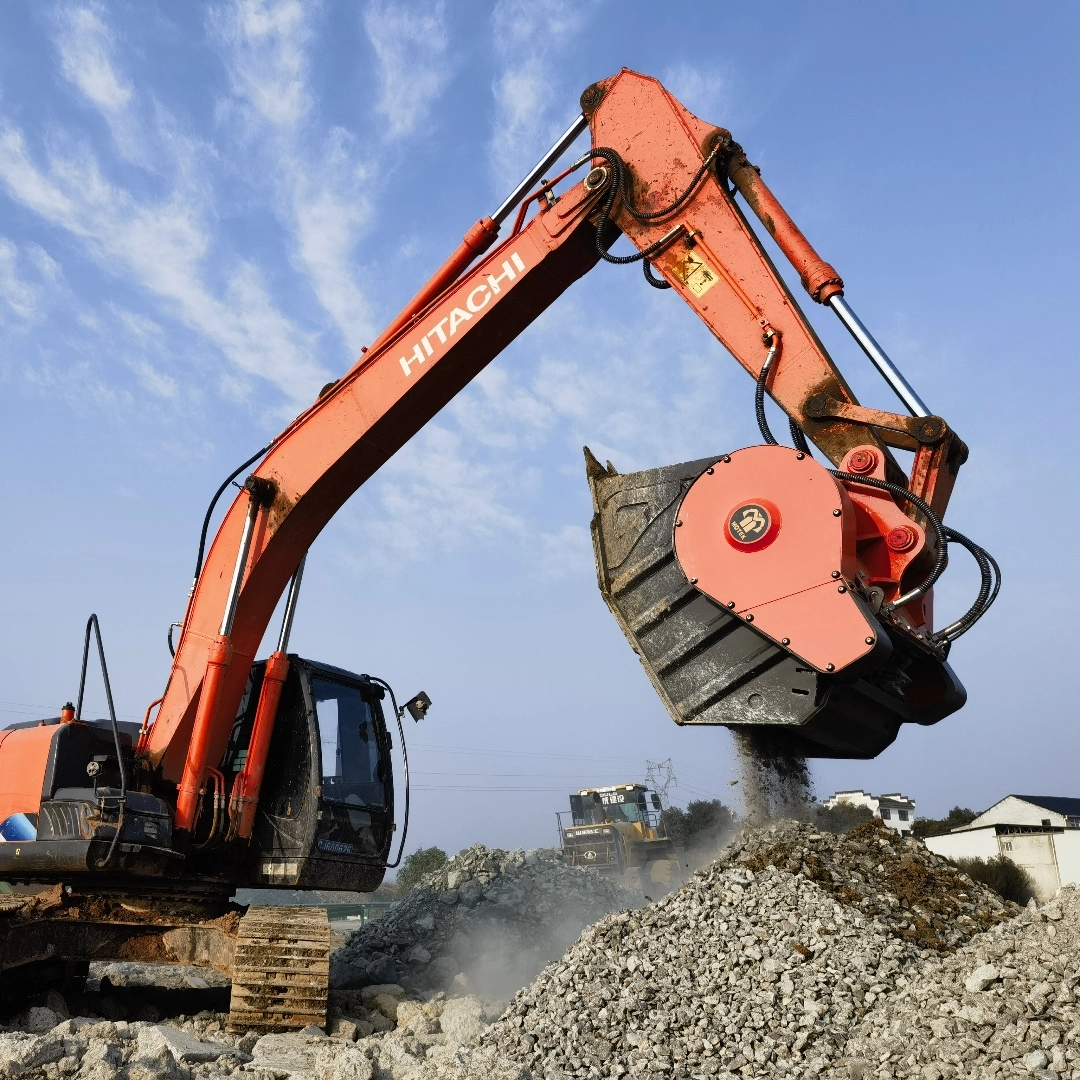
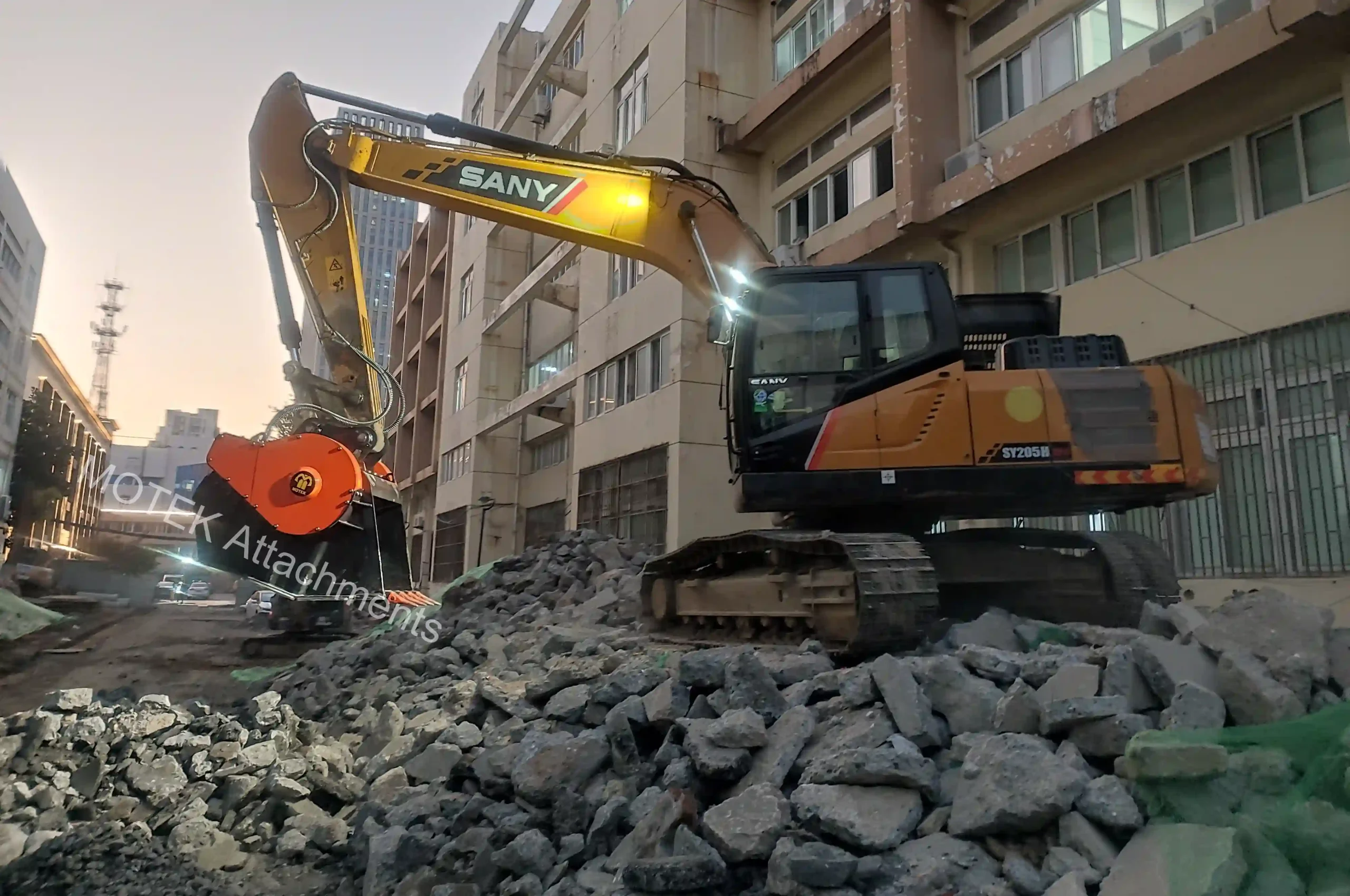
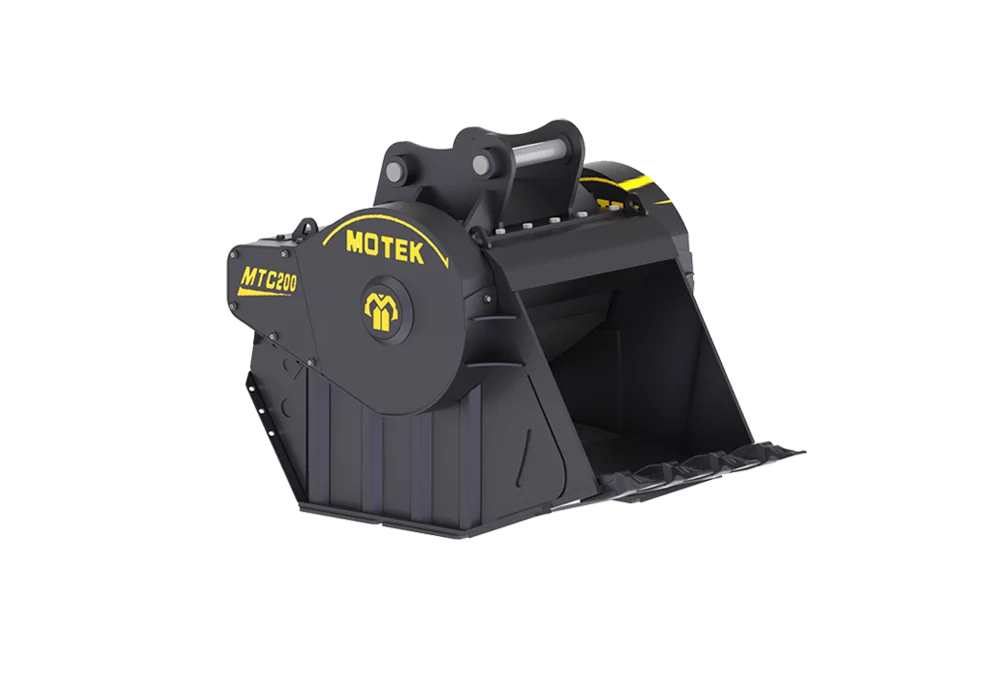
In high-intensity operations such as engineering construction, mining crushing, and building demolition, the stability and durability of crusher buckets directly impact equipment efficiency and operating costs. As a professional crusher bucket supplier specializing in engineering machinery application solutions, MOTEK believes that establishing scientific maintenance habits is key to extending crusher bucket lifespan, reducing failure rates, and improving continuous operation capabilities. This article summarizes best practices for crusher bucket maintenance from multiple dimensions, including daily inspections, standardized operations, management of vulnerable parts, and preventative maintenance. This helps users systematically understand how to improve bucket performance, reduce downtime, and maintain stable output under complex operating conditions. Based on this approach, daily maintenance should be approached simultaneously before, during, and after operation to form stable maintenance habits.
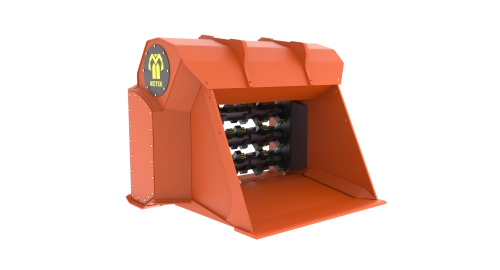
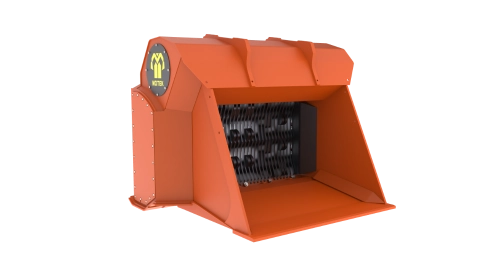
Before operation, inspect the bucket body, teeth, pins, bushings, and connections for cracks, looseness, or abnormal wear, paying particular attention to welds and areas of concentrated stress. If dulling of the bucket teeth, increased pin clearance, or leakage at hydraulic connections is observed, address the issue promptly and avoid operation with these malfunctions. The hydraulic system should also be checked concurrently, including oil level, oil temperature, and the condition of pipelines and joints, as contaminated hydraulic oil or excessive temperature will accelerate wear and affect operational stability.
During operation, the operating method directly determines the bucket’s lifespan. Avoid violent impacts, lateral prying, and overloading. Do not allow the bucket to operate at its limits for extended periods, as this increases structural fatigue and hydraulic shock. Maintain even force distribution during crushing, pushing the bucket along the material’s natural force direction as much as possible to reduce uneven loading and dry-firing. If abnormal noises, slowed operation, or significantly increased vibration occur, stop the machine immediately for troubleshooting, rather than continuing to operate under pressure.
After operation, clean the bucket of dirt, concrete debris, and dust. Pay special attention to the wear plates, blades, and connecting pins, and replenish grease as needed. If the equipment operates under high dust or high impact conditions for extended periods, it is recommended to shorten the inspection interval and establish simple maintenance records, including operating hours, oil change times, replacement of wear parts, and fault symptoms. This not only facilitates problem tracking but also allows for early assessment of whether parts need replacement, preventing minor faults from escalating into major overhauls.
Key points for excavator crusher bucket maintenance emphasize adhering to standardized operations, regular inspections, and preventative maintenance in high-intensity scenarios such as mining, demolition, and engineering construction. By promptly identifying wear issues in the bucket teeth, pins, and hydraulic system, avoiding rough handling and uneven load impacts, and ensuring proper cleaning and lubrication management, the bucket’s lifespan can be effectively extended, reducing failure rates and downtime costs, and improving equipment stability and construction efficiency. Hopefully, this article will provide you with some practical insights.
Author

Gershon Zhou
MOTEK R&D Director With 18 years of focused experience in the construction machinery attachment industry. As a National Certified Senior Engineer, he is a well-recognized technical leader in the field of earthmoving machine attachments.