

Як дробильні ковші підвищують ефективність переробки будівельних відходів?
Час виходу: 22.05.2026
У сучасній галузі будівництва та знесення (C&D) операційна ефективність є остаточною межею між високоприбутковим проектом та тим, що призводить до витоку капіталу. Зі зростанням темпів урбанізації у світі підрядники стикаються з дедалі більшими проблемами: стрімким зростанням транспортних витрат, суворими екологічними нормами щодо використання сміттєзвалищ та логістичним кошмаром обробки тисяч тонн будівельного сміття. Традиційний метод завантаження сирого щебеню на вантажівки та його транспортування до стаціонарних дробарок за межами об'єкта більше не є економічно вигідним.
Щоб вижити та процвітати в цьому ландшафті, прогресивні керівники автопарків та керівники будівельних майданчиків звертаються до децентралізованої обробки матеріалів на місці. Безперечним чемпіоном цього операційного зрушення є дробильний ківш екскаватора. Але як саме це важке навісне обладнання революціонізує робочі процеси на будівельному майданчику? У цьому вичерпному посібнику ми розглянемо, як дробильні ковші значно підвищують ефективність обробки будівельних відходів і чому вони є важливим оновленням для вашого парку важкої техніки.
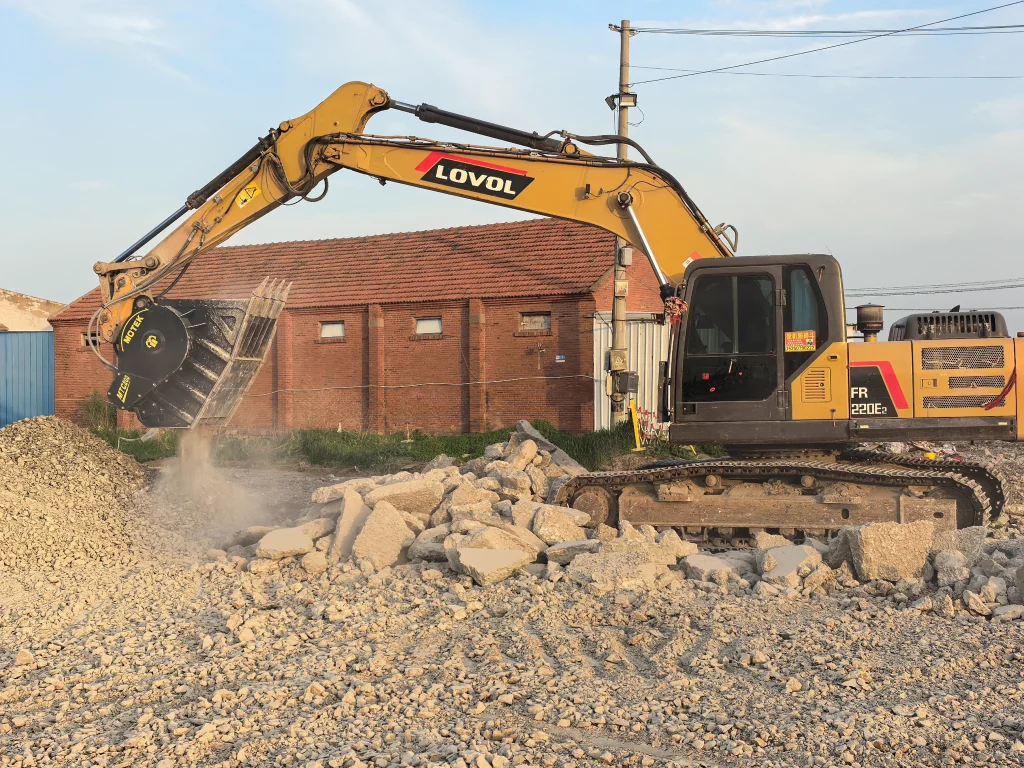
Еволюція переробки відходів знесення
Історично склалося так, що переробка будівельних відходів, таких як залізобетон, цегла, асфальт і природний камінь, вимагала величезної площі. Підрядникам доводилося покладатися на великі стаціонарні дробильні установки або громіздкі гусеничні дробарки. Ці машини вимагають спеціалізованих операторів, тривалого часу налаштування та значних капітальних вкладень. Що ще важливіше, вони за своєю суттю статичні; відходи необхідно доставляти до машини.
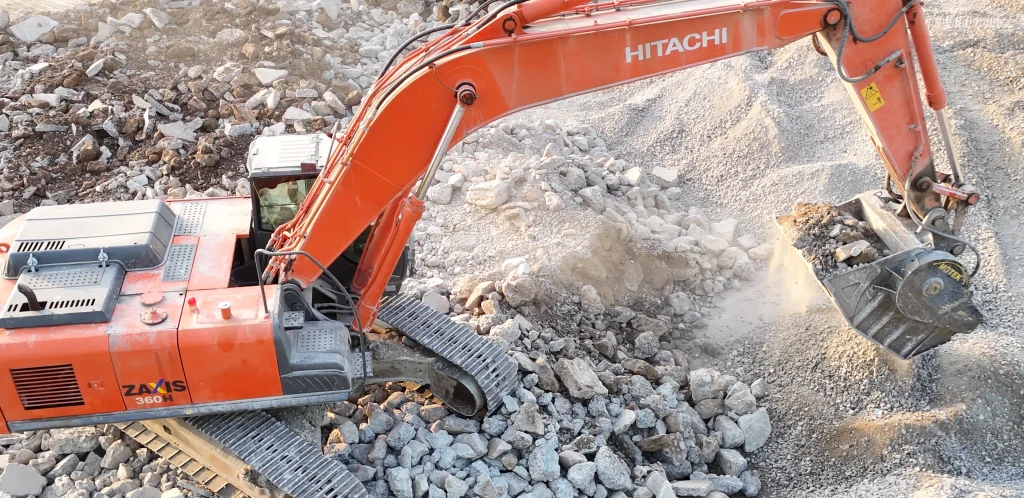
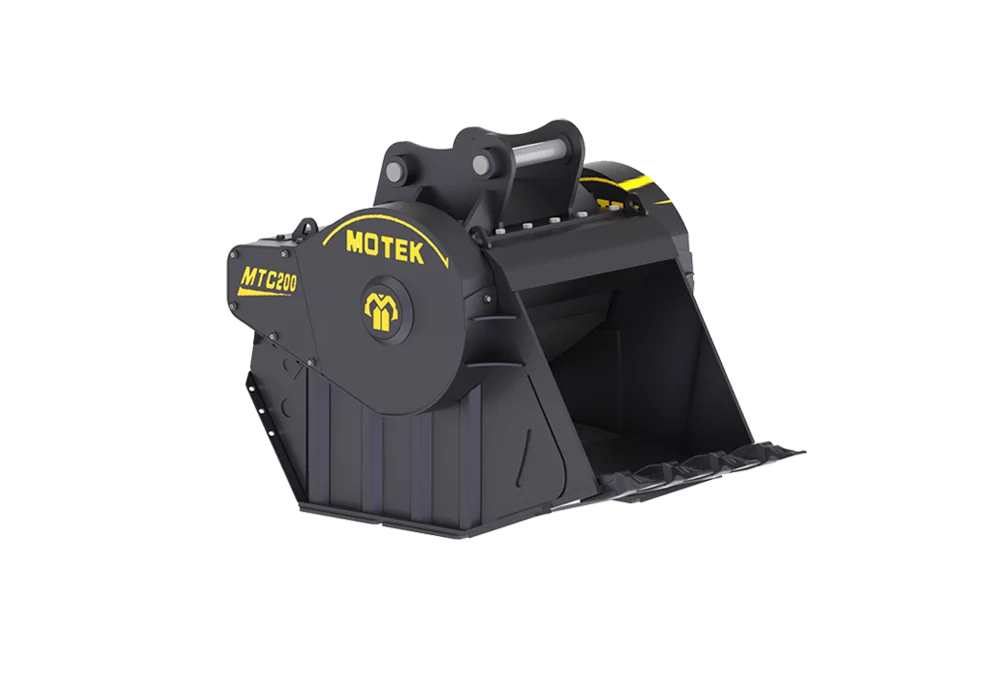
Впровадження дробарного ковша змінило цю парадигму. Використовуючи існуючу гідравлічну потужність вашої самохідної машини, дробарний ківш по суті перетворює стандартний екскаватор на дуже гнучку, компактну мобільну дробарну установку. Замість того, щоб доставляти матеріал до дробарки, дробарка приводиться безпосередньо до матеріалу. Цей унікальний технологічний стрибок формує основу сучасних, високоефективних робочих процесів будівництва та демонтажу.
Трансформація перевізника: як працює механізм
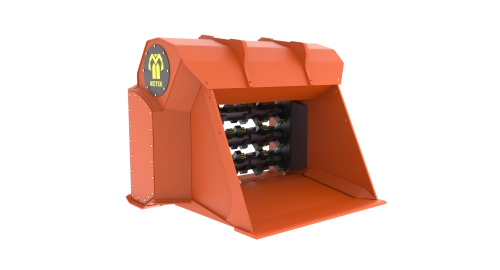
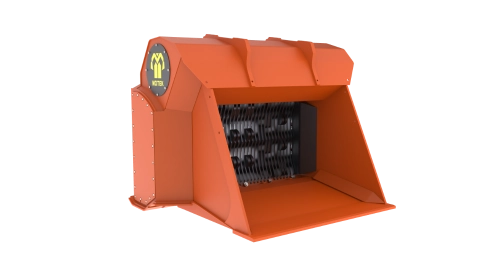
Щоб зрозуміти підвищення ефективності, потрібно зрозуміти механіку. A високоякісний дробильний ківш використовує внутрішній механізм щелепної дробарки, розміщений у міцній, зносостійкій сталевій рамі ковша. Приводячись у рух допоміжними гідравлічними лініями екскаватора, ексцентриковий вал агресивно притискає рухому щелепну плиту до нерухомої щелепної плити.
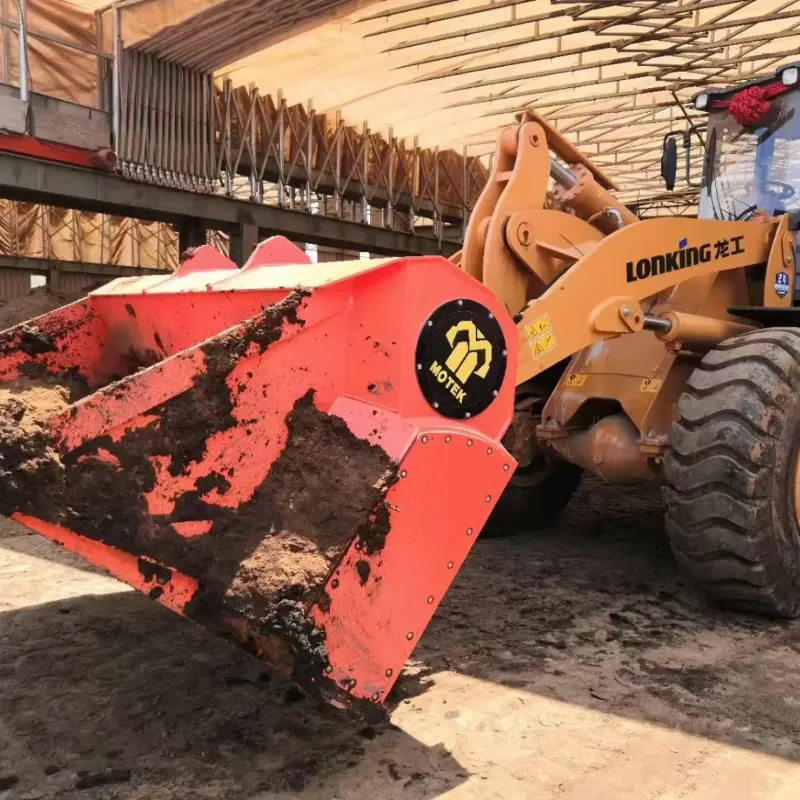
Коли оператор зачерпує вантаж змішаного щебеню, матеріал під дією сили тяжіння подається в камеру дроблення. Величезний гідравлічний тиск подрібнює бетон і камінь, відокремлюючи їх від вбудованої арматури. Потім подрібнений матеріал падає через нижній отвір, який можна механічно регулювати для отримання заповнювача певних розмірів (наприклад, 2 дюйми мінус, 4 дюйми мінус). Цей безперервний цикл “зачерпування, подрібнення та вивантаження” усуває кілька проміжних етапів у процесі обробки матеріалу.
4 основні способи подрібнення ковшів стрімко підвищують ефективність обробки
Інтеграція дробильного ковша у ваші землерийні роботи дає негайні та комплексні переваги ефективності в багатьох аспектах проекту.
1. Усунення подвійного обробки та затримок транспортування
Найбільш суттєвим фактором, що перешкоджає ефективності обробки, є логістика подвійного оброблення. У традиційному робочому процесі екскаватор завантажує сміття в самоскид із зчленованою рамою, вантажівка перевозить транспорт до переробного заводу, розвантажує вантаж і повертається порожнім. Тим часом інша вантажівка повинна доставити новий, придбаний заповнювач назад на будівельний майданчик для створення основи та зворотної засипки.
Дробні ковші повністю усувають це логістичне вузьке місце. Оператор подрібнює будівельні відходи саме там, де вони знаходяться, і укладає новостворений заповнювач безпосередньо в остаточну траншею або фундаментну площадку. Усуваючи залежність від парку транспортних вантажівок, підрядники уникають затримок у дорозі, зупинок вантажівок через погодні умови та непомірних витрат на паливо та плату за вивезення сміття на сміттєзвалища.
2. Негайне повторне використання матеріалів на місці
Ефективність — це не лише швидкість, а й максимізація ресурсів. Високопродуктивне дробильне обладнання забезпечує справжню переробку відходів знесення за замкнутим циклом. Подрібнюючи бетонні відходи на однорідний високоякісний заповнювач, підрядники миттєво створюють власний матеріал для засипки.
Це означає, що протягом кількох хвилин після знесення підпірної стіни або розривання бетонної плити, той самий матеріал переробляється для будівництва тимчасових під'їзних доріг, стабілізації багнистої місцевості або формування основи для нових трубопроводів. Час перетворення “відходів” на “придатний для використання будівельний актив” скорочується з днів до лічені секунди.
3. Неперевершена гнучкість у обмежених міських робочих просторах
Багато сучасних проектів знесення відбуваються в густонаселених міських центрах, де простір є обмеженим. Вузькі провулки, вузькі житлові ділянки та активні дороги не залишають місця для традиційного розповсюдження дроблення.
Оскільки дробильний ківш кріпиться до шарнірної стріли екскаватора, він успадковує чудову мобільність та радіус дії машини. Оператор може переміщатися у тісних кутах, дотягуватися до існуючих стін та обробляти матеріал у місцях, куди не поміститься жодне інше дробильне обладнання. Ця маневреність гарантує безперебійну обробку матеріалу, незалежно від просторових обмежень об'єкта.
4. Безперервна робота з передовими інженерними рішеннями
Ефективність інструменту нерозривно пов'язана з його безвідмовною роботою. Обробка високоабразивних матеріалів створює величезне навантаження на важку техніку. Сучасні високоякісні дробильні ковші, особливо ті, що виготовлені в суворих умовах цілодобового використання для масштабних інфраструктурних проектів, оснащені інженерними інноваціями, розробленими для максимізації безперервної продуктивності.
Наприклад, удосконалені моделі використовують спеціалізовані системи ремінного приводу, а не прямі приводи. Ця важлива конструкція поглинає сильні ударні хвилі, що виникають під час процесу дроблення, захищаючи стрілу екскаватора та гідравлічний насос від втоми. Крім того, оптимізовані гідравлічні системи з одним насосом дозволяють щелепі досягати високопродуктивного дроблення за нижчого робочого тиску, запобігаючи перегріву транспортної машини під час безперервної літньої роботи. Коли обладнання не ламається, ефективність обробки залишається стабільно високою.
Стратегічні закупівлі: створення високоефективного автопарку
Для досягнення цих переваг ефективності необхідно підібрати правильне навісне обладнання до правильної самохідної машини. Вага ковша та гідравлічні вимоги повинні ідеально відповідати тоннажу екскаватора та допоміжному потоку; інакше ви ризикуєте зупинити щелепу або перекинути машину.
Для підрядників та менеджерів із закупівель, які прагнуть модернізувати свої можливості, не завдаючи шкоди капітальному бюджету, вторинний ринок є стратегічною золотою жилою. Партнерство з провідним китайським постачальником вживаної будівельної техніки дозволяє придбати надійні, визнані в усьому світі екскаватори, вже оснащені та ідеально відкалібровані. високопродуктивні дробильні насадки. Постачання маловживаного, ретельно перевіреного обладнання гарантує вам отримання готового до використання рішення для обробки матеріалів з моменту його надходження на ваш об'єкт.
Висновок: Взяття під контроль вашого ланцюга поставок
На завершення, дробильні ковші підвищують ефективність переробки будівельних відходів, радикально децентралізуючи робочий процес. Надаючи своїм операторам можливість дробити, сортувати та повторно використовувати матеріали безпосередньо на місці знесення, ви фактично отримуєте повний контроль над ланцюгом поставок вашого проекту. Ви більше не залежите від графіків перевезень вантажівок, постачальників будівельних матеріалів чи годин роботи сміттєзвалищ.
Інвестування в цю технологію перетворює ваше стандартне землерийне обладнання на невпинний, самодостатній центр переробки. Для будь-якого підрядника, який серйозно ставиться до масштабування своєї діяльності та домінування в сучасному секторі будівництва та демонтажу, інтеграція дробильних ковшів — це не просто модернізація обладнання, а фундаментальна бізнес-стратегія.
Щоб ще більше оптимізувати процеси сортування матеріалів на вашому об'єкті, розгляньте можливість поєднання дробарних операцій з передовими... грохотів для екскаваторів щоб забезпечити максимально чистий сукупний вихід.
Автор

Джек Лю
Генеральний директор MOTEK. 20 років досвіду роботи в будівельній техніці. Колишній агент кількох висококласних європейських брендів навісного обладнання. Лідер з далекоглядним баченням, який є рушійною силою зростання MOTEK.