

Як вибрати правильний просіювальний ківш для екскаваторів різного тоннажу
Час виходу: 12.05.2026
Зміст
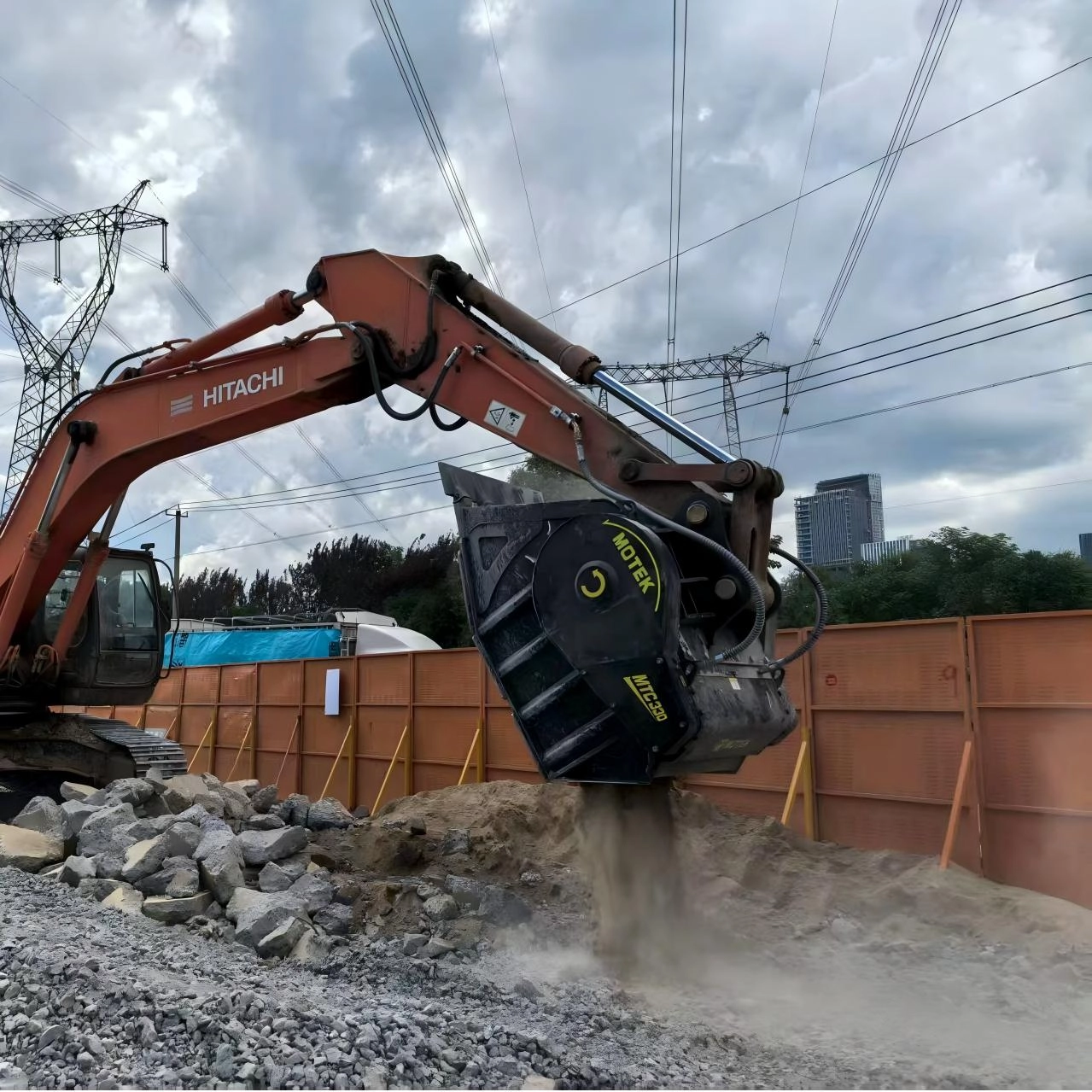
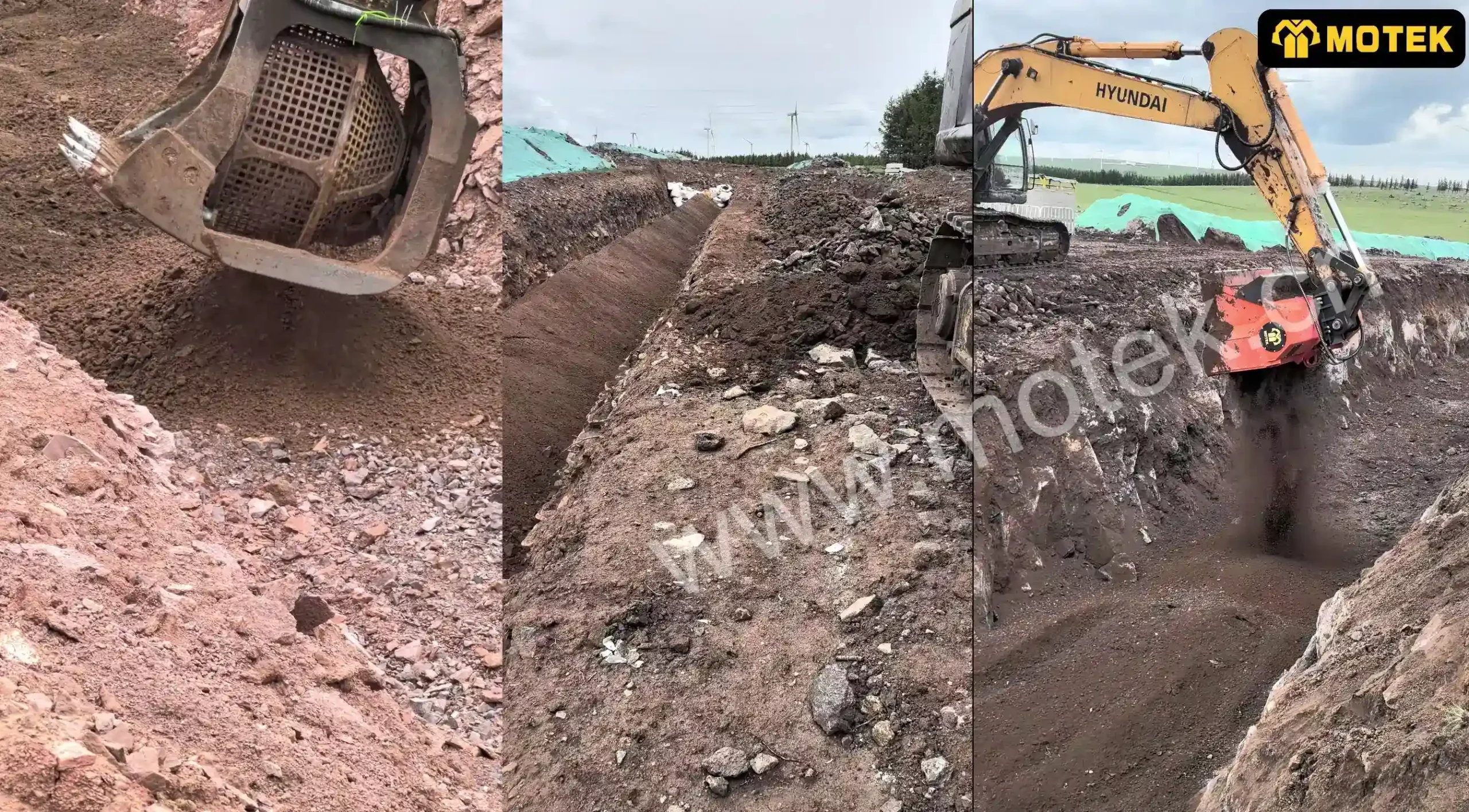
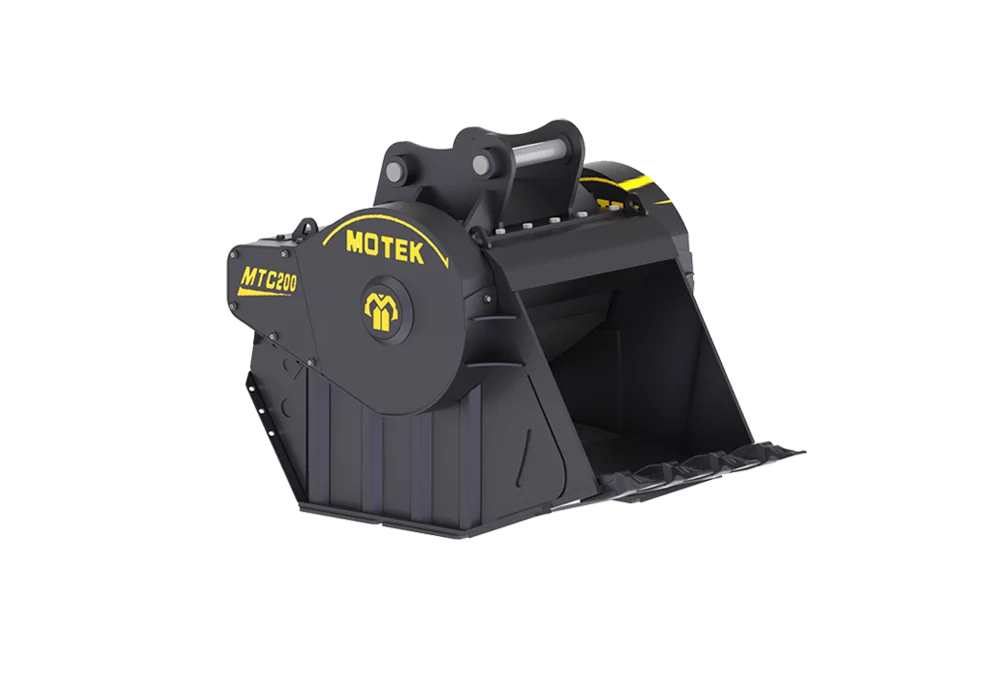
У сучасному будівництві, знесенні та землерийних роботах максимальне використання вашої важкої техніки є ключем до підтримки конкурентної переваги. Один з найефективніших способів підвищити універсальність вашого обладнання – це оснастити його високоякісний просіювальний ківш. Дозволяючи сортувати, переробляти та обробляти матеріали на місці, просіювальні ковші значно знижують витрати на транспортування та утилізацію матеріалів.
Однак, досягнення максимальної експлуатаційної ефективності не так просто, як прикріплення будь-якого ківша до будь-якої машини. Розуміння того, як вибрати правильний просіювальний ківш для екскаваторів різного тоннажу, є критично важливим. Неправильно підібране кріплення може призвести до уповільненої роботи, надмірного зносу або навіть катастрофічної гідравлічної поломки. Цей вичерпний посібник ознайомить вас з важливими міркуваннями щодо підбору просіювальних ковшів до різних вагових класів екскаваторів.

Чому тоннаж екскаватора визначає вибір навісного обладнання
Експлуатаційна вага (тоннаж) екскаватора є основним показником для визначення того, з яким навісним обладнанням він може безпечно та ефективно працювати. Тоннаж безпосередньо корелює з вантажопідйомністю машини, зусиллям відриву, кінематичною стійкістю та, що найважливіше, її гідравлічними можливостями.
Якщо просіювальний ківш занадто великий для певного тоннажу, він створює серйозну небезпеку перекидання та швидко перевантажує гідравлічну систему екскаватора. І навпаки, якщо ківш занадто малий для важкої машини, ви не можете використати весь потенціал продуктивності екскаватора та ризикуєте пошкодити менше навісне обладнання через надмірне зусилля відриву.
1. Міні- та компактні екскаватори (від 1 до 5 тонн)
Міні-екскаватори цінуються за свою маневреність та здатність працювати в обмеженому просторі, наприклад, під час озеленення житлових будинків, знесення будівель у приміщеннях або риття траншей міських комунікацій.
- Правильне відсіювання: Для цієї вагової категорії вам потрібен надлегкий, компактний просіювальний ківш. Місткість зазвичай коливається від 0,1 до 0,3 кубічних метрів.
- Ключовий момент: Оскільки компактні екскаватори мають нижчі гідравлічні витрати, вкрай важливо вибрати ківш, який ефективно працює в межах цих нижчих порогів. Шукайте роторні або вібраційні просіювальні ковші, спеціально розроблені для потреб низького потоку. Вони ідеально підходять для просіювання верхнього шару ґрунту, відділення дрібного сміття або підготовки місцевості до мощення у вузьких середовищах.
2. Екскаватори середнього розміру (від 6 до 15 тонн)
Екскаватори середнього розміру мають чудовий баланс між потужністю та маневреністю. Вони є робочими конячками середнього комерційного будівництва, дорожніх робіт та стандартної підготовки будівельного майданчика.
- Правильне відсіювання: Екскаватори вантажопідйомністю від 6 до 15 тонн можуть підтримувати просіювальні ковші місткістю від 0,4 до 0,8 кубічних метрів.
- Ключовий момент: При такому тоннажі оператори починають працювати з важчими матеріалами, такими як змішані відходи від знесення, заповнювачі та вологий ґрунт. Ви повинні забезпечити структурну цілісність рами ковша, щоб вона витримувала помірні удари. Гідравлічна сумісність залишається життєво важливою; переконайтеся, що допоміжні гідравлічні лінії можуть постійно подавати необхідну кількість літрів за хвилину (л/хв), щоб механізм грохочення працював безперебійно, не зупиняючись під навантаженням.
3. Стандартні та важкі екскаватори (від 16 до 30+ тонн)
Переходячи до категорії 16 тонн і вище, ви маєте справу із серйозними землерийними роботами, великомасштабним знесенням, кар'єрними та гірничодобувними роботами. Ці машини можуть похвалитися величезною гідравлічною потужністю та надзвичайними зусиллями відриву.
- Правильне відсіювання: Для важких екскаваторів потрібні великогабаритні, сильно посилені просіювальні ковші. Місткість може легко перевищувати 1,0–2,5+ кубічних метрів.
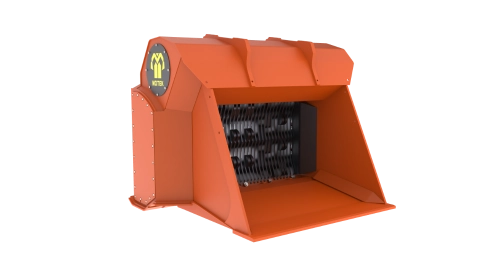
- Ключовий момент: Ці ковші повинні бути виготовлені з високоміцної, зносостійкої сталі (наприклад, Hardox), щоб витримувати постійне стирання від гірських порід, бетону та важких руд. Для важких умов експлуатації настійно рекомендуються вдосконалені просіювальні ковші зі змінними валами або барабанами, що дозволяє операторам швидко адаптуватися до різних розмірів матеріалів у промислових масштабах.
Вирішальні технічні фактори для оцінки
Окрім простого узгодження вагового класу, кілька технічних характеристик повинні ідеально узгоджуватися між самохідною машиною та навісним обладнанням.
Гідравлічний потік і тиск
Кожен просіювальний ківш має мінімальні та максимальні вимоги до гідравлічного потоку (л/хв) та робочого тиску (бар). Якщо ваш екскаватор створює занадто великий тиск, він може пошкодити ущільнення на гідравлічному двигуні ковша. Якщо він створює занадто малий тиск, просіювальний механізм заклинить під час заповнення важким матеріалом. Завжди перевіряйте таблицю навантаження та гідравлічні характеристики вашого екскаватора перед покупкою.
Щільність та тип матеріалу
Тип матеріалу, який ви плануєте обробляти, визначатиме конструкцію просіювального ковша. Обробка легкого, сухого верхнього шару ґрунту вимагає зовсім іншого підходу, ніж просіювання вологої, зв'язної глини або важкого щебеню з арматурою. Для важчих, високоабразивних матеріалів переконайтеся, що просіювальний ківш має посилені зносостійкі пластини та міцні просіювальні сітки або вали.
Розмір екрана та взаємозамінність
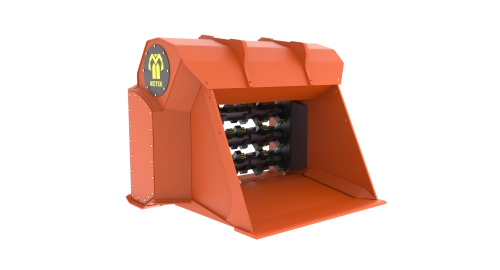
Вимоги до проекту змінюються, і ваше обладнання повинно мати можливість адаптуватися. Найкращі просіювальні ковші пропонують змінні сітки, панелі або обертові вали. Це дозволяє регулювати розмір вихідного відсортованого матеріалу — від дрібного верхнього шару ґрунту 20 мм до крупного заповнювача 100 мм — без необхідності купувати абсолютно нове навісне обладнання.
Перевага Motek: Інженерія для будь-якого тоннажу
Коли справа доходить до пошуку надійного навісного обладнання, яке максимально розкриває потенціал вашої машини, вибір перевіреного виробника має першочергове значення. Саме тут Мотек виділяється на світовому ринку.
Незалежно від того, чи керуєте ви спритним 3-тонним міні-екскаватором для житлового проекту, чи масивним 30-тонним землерийним транспортером у кар'єрі, Motek пропонує високотехнологічні та довговічні рішення, адаптовані до ваших конкретних гідравлічних та структурних вимог. Просіювальні ковші Motek розроблені з використанням передової технології розподілу навантаження, що забезпечує ідеальний баланс та стабільність транспортного засобу під час роботи.
Виготовлені з високоякісних зносостійких матеріалів, ці просіювальні ковші значно скорочують час простою для технічного обслуговування, одночасно максимізуючи погодинну продуктивність. Інтегруючи просіювальний ковш Motek у свій парк, ви миттєво перетворюєте свій екскаватор на мобільну переробну установку.
Висновок
Вибір правильного просіювального ковша – це стратегічна інвестиція, яка залежить від глибокого розуміння можливостей вашого екскаватора. Ретельно підбираючи навісне обладнання відповідно до тоннажу машини, враховуючи гідравлічні обмеження та передбачаючи характер матеріалів, які ви оброблятимете, ви можете забезпечити тривалий термін служби як вашого екскаватора, так і вашого ковша. Оснастіть свій парк обладнанням преміум-класу правильного розміру та спостерігайте, як ваша продуктивність на місці, а також ваш прибуток, зростають.
Автор

Ліллі Лю
Директор з міжнародних продажів компанії MOTEK. Маючи 15-річний досвід роботи в галузі будівельної техніки, вона глибоко розуміє динаміку світового ринку та потреби регіональних клієнтів. Вона успішно керувала командами, які виходили на ключові міжнародні ринки, зокрема, просувала навісне обладнання для будівельної техніки та забезпечувала високовартісні закордонні замовлення.