

Яке обладнання використовується для рекультивації ґрунту?
Release time: 2026-10-09
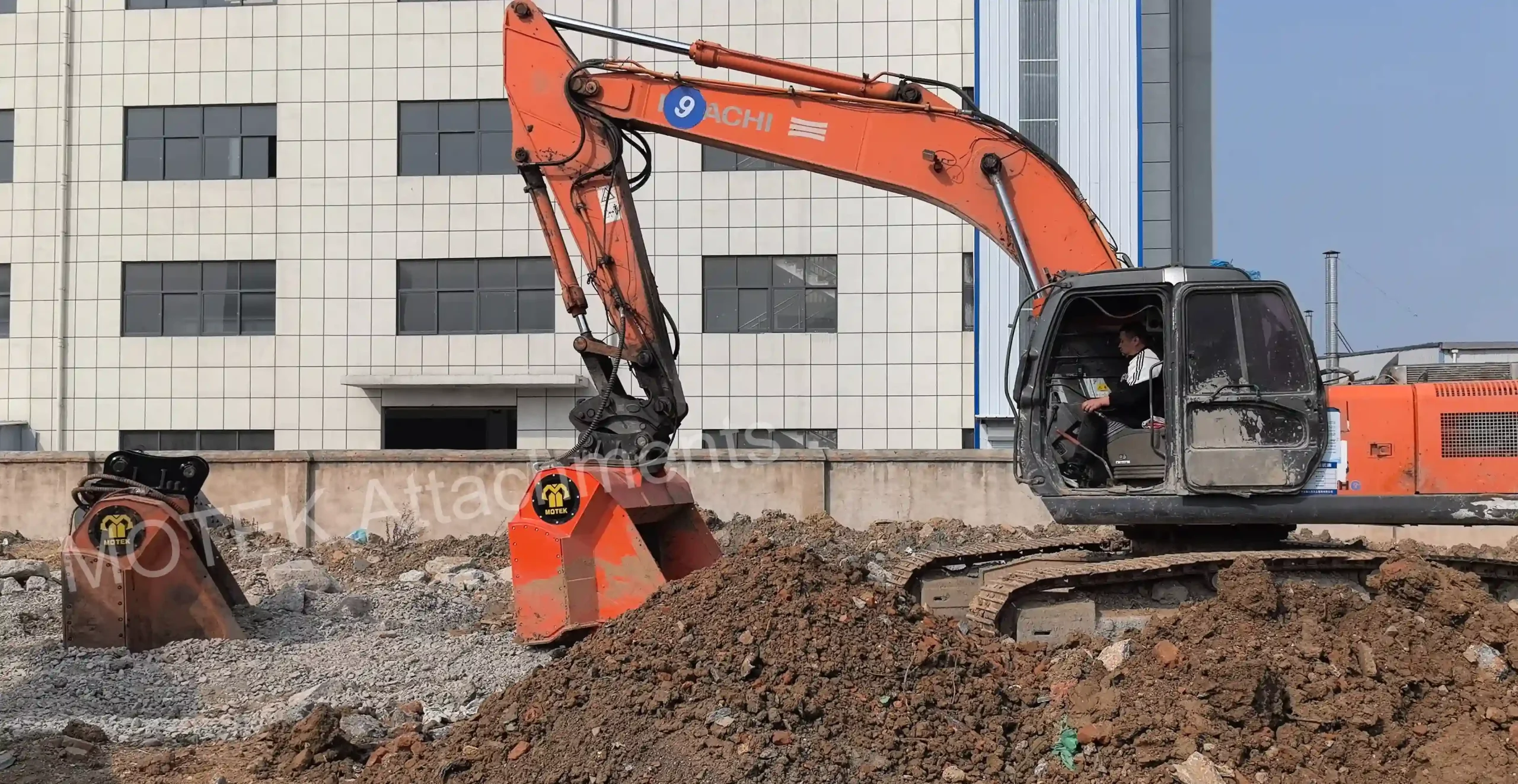
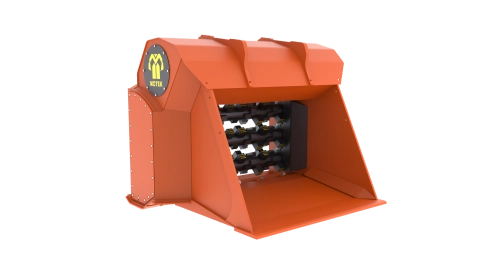
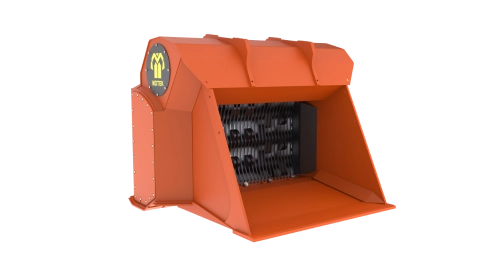
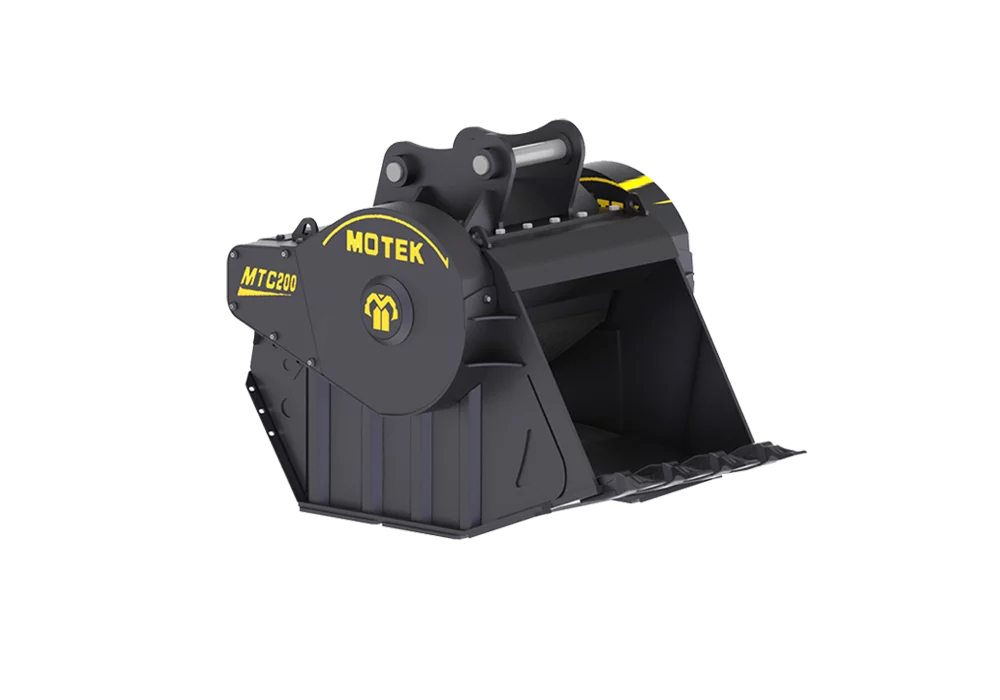
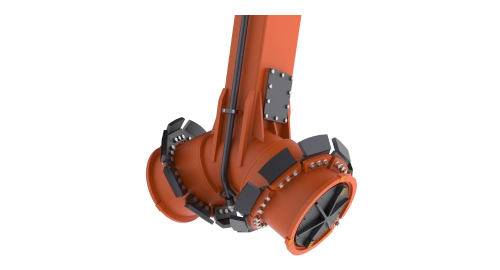
Soil remediation involves more than removing contaminated soil. Depending on site conditions and treatment objectives, projects may require screening, crushing, mixing, and stabilization to prepare soil for further processing or reuse. Choosing the right equipment helps improve material handling efficiency and maintain consistent treatment results. Мотек provides construction machinery attachments and soil improvement solutions, including screening buckets and ґрунтозмішувачі, to support soil screening, mixing, and stabilization operations. Understanding the functions of different equipment types is the first step toward selecting a suitable solution for each soil remediation project.
Зміст
1. What Equipment Is Commonly Used for Soil Remediation?
Soil remediation equipment can be divided into several categories according to its primary function.
| Equipment Type | Main Function | Типові застосування |
|---|---|---|
| Soil Screening Equipment | Separates soil from stones, debris, and oversized materials. | Construction sites, land restoration, and contaminated soil pretreatment. |
| Обладнання для змішування ґрунту | Mixes soil with binders, amendments, or treatment agents. | Soil stabilization, chemical treatment, and soil improvement projects. |
| Soil Washing Equipment | Removes or separates certain contaminants from soil using water and, where appropriate, treatment agents. | Sites contaminated with selected metals, petroleum hydrocarbons, or other treatable pollutants. |
| Thermal Desorption Equipment | Heats soil under controlled conditions to remove certain volatile or semi-volatile contaminants. | Selected petroleum-contaminated and industrial soils. |
| Soil Stabilization Equipment | Blends soil with cement, lime, or other suitable stabilizing materials. | Weak soil improvement, contaminated soil immobilization, and ground engineering. |
| Soil Handling and Conveying Equipment | Transfers, feeds, and discharges soil between treatment stages. | Integrated soil remediation plants and large-scale projects. |
The appropriate equipment depends on the contaminants present, the soil’s physical and chemical properties, and the remediation targets established for the project.
2. How Does a Soil Improvement System Work?
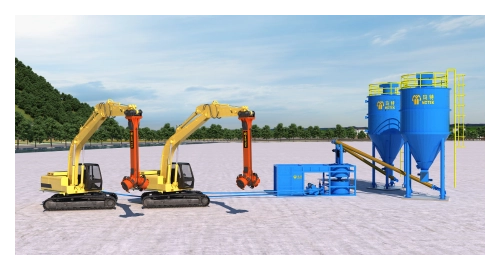
A система покращення ґрунту is an integrated solution designed to modify soil properties or support soil treatment through one or more processing stages. Depending on its configuration, the system may include screening, crushing, mixing, material feeding, dosing, conveying, and discharge equipment.
A typical workflow may include the following steps:
- Soil preparation: Excavated soil is inspected, and oversized materials or debris are removed.
- Material screening: Screening equipment separates particles by size to prepare the soil for subsequent treatment.
- Agent dosing: Suitable treatment agents, binders, or soil amendments are added according to the project requirements.
- Soil mixing: Mixing equipment distributes the added materials throughout the soil to achieve more consistent treatment.
- Final treatment and inspection: The processed soil is tested to determine whether it meets the required engineering or environmental criteria.
Not every project requires all these stages. For example, a soil stabilization project may primarily need dosing and mixing equipment, while contaminated soil may require a more specialized treatment process.
3. Which Equipment Is Suitable for Different Soil Remediation Projects?
Equipment selection should be based on the problem that needs to be addressed.
- Contaminated industrial soil: Soil washing, thermal desorption, or chemical treatment equipment may be appropriate, depending on the contaminant type and concentration.
- Weak or unstable soil: Soil mixing and stabilization equipment can improve strength, workability, and bearing performance.
- Soil containing stones and construction debris: Screening equipment helps remove oversized materials before further processing.
- Large-scale soil treatment projects: An integrated soil improvement system can coordinate material feeding, dosing, mixing, and conveying to improve process consistency and operational efficiency.
It is important to distinguish soil remediation from general soil improvement. Remediation focuses on reducing contamination or environmental risks, while soil improvement generally aims to enhance physical, chemical, or engineering properties. Some projects require both objectives, but the equipment and treatment methods must be selected accordingly.
4. How Do You Choose the Right Soil Remediation Equipment?
Before selecting equipment, project owners and contractors should evaluate several key factors:
Характеристики ґрунту: Determine the soil type, moisture content, particle-size distribution, and relevant physical and chemical properties.
Contaminant type: Identify the pollutants involved, such as petroleum hydrocarbons, selected heavy metals, or volatile organic compounds. Different contaminants require different treatment technologies.
Потужність обробки: Estimate the required throughput in tons per hour or tons per day, considering the total soil volume and project schedule.
Treatment objectives: Define whether the project requires contaminant removal, contaminant immobilization, soil stabilization, or a combination of these outcomes.
Site conditions: Consider available space, transportation access, power supply, dust control, wastewater management, and environmental compliance requirements.
Automation and integration: Evaluate whether the equipment can be integrated into an existing production line or configured as a complete soil improvement system.
5. Why Is Equipment Integration Important for Soil Treatment?
Using individual machines without a coordinated process can lead to inconsistent mixing, material handling bottlenecks, and difficulties maintaining stable treatment conditions. An integrated system helps coordinate feeding, screening, dosing, mixing, and material transfer according to the project’s requirements.
For equipment suppliers and project contractors, the goal is not simply to select individual machines, but to establish a practical treatment process that matches soil conditions, project capacity, and environmental targets. With appropriate equipment configuration and process control, soil treatment projects can achieve more consistent results and improve overall operational efficiency.
Вибір обладнання для покращення ґрунту requires a clear understanding of soil properties, contaminant types, treatment objectives, and on-site operating conditions. Screening buckets can help separate oversized materials and prepare soil for subsequent treatment, while soil mixing and stabilization equipment can support the uniform blending of suitable treatment agents. For projects involving soil preparation, soft soil solidification, or material screening, Motek offers screening buckets and soil improvement equipment designed for different construction requirements. By matching equipment configuration to project needs, contractors can improve operational efficiency and support more consistent soil treatment processes. Actual remediation performance should always be verified against the project’s environmental and engineering requirements.
Автор

Джек Лю
Генеральний директор MOTEK. 20 років досвіду роботи в будівельній техніці. Колишній агент кількох висококласних європейських брендів навісного обладнання. Лідер з далекоглядним баченням, який є рушійною силою зростання MOTEK.