

Кто поставляет навесное оборудование для смешивания грунтов, предназначенное для укрепления мягких грунтов при строительстве дорог и фундаментов?
Дата выпуска: 26.05.2026
В современной строительной отрасли столкновение с мягкими, неустойчивыми грунтами — распространенная и дорогостоящая проблема. Независимо от того, закладываете ли вы фундамент для новой автомагистрали или строите глубокий фундамент коммерческого здания, целостность грунта под вашим проектом определяет его долгосрочный успех. Для преодоления проблем, связанных со слабыми основаниями, подрядчики все чаще прибегают к... Навесное оборудование для смесителей, улучшающих качество почвы для экскаваторов.
Но кто поставляет эти специализированные инструменты, и как они революционизируют процесс затвердевания мягких грунтов при строительстве дорог и фундаментов? В этом всеобъемлющем руководстве рассматриваются механизмы перемешивания грунта на месте, области применения этих приспособлений и на что следует обращать внимание при выборе надежного поставщика оборудования.
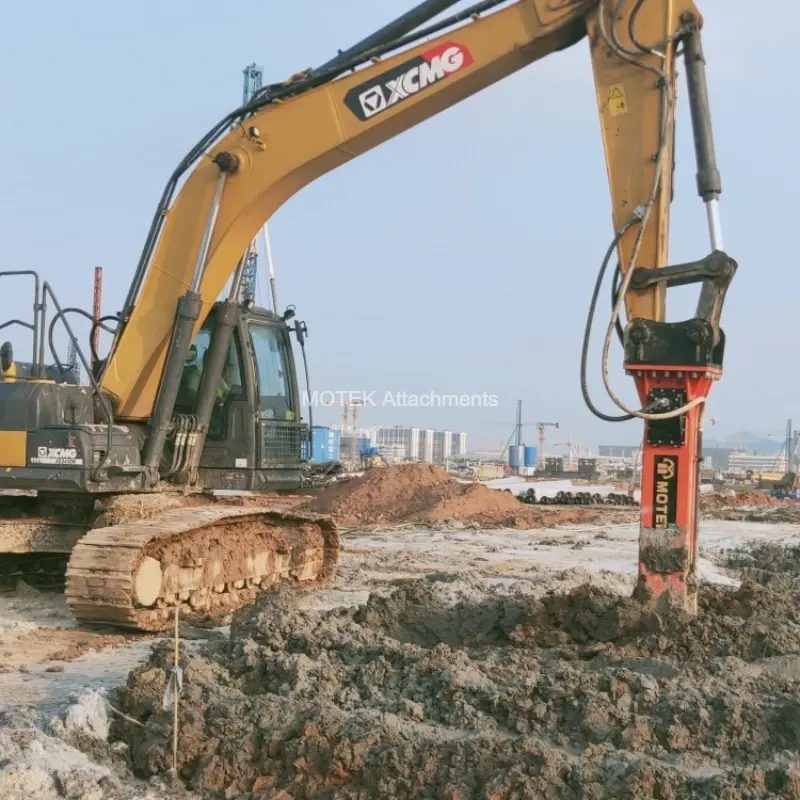
Понимание процесса затвердевания мягких грунтов в строительстве.
Мягкие грунты, часто состоящие из торфа, глины или влажного ила, не обладают необходимой несущей способностью для поддержки тяжелой инфраструктуры. Традиционно подрядчикам приходилось выкапывать и заменять этот некачественный грунт — процесс, известный как “выемка и замена”. Этот метод не только трудоемкий, но и экологически вредный и дорогостоящий из-за высоких затрат на транспортировку и захоронение отходов.
Развитие технологии смешивания грунта на месте
Сегодня более эффективной альтернативой является укрепление мягких грунтов (или стабилизация грунта). Используя специализированное оборудование для впрыскивания и смешивания связующих веществ — таких как цемент, известь или специальные химические связующие — непосредственно в естественный грунт, подрядчики могут значительно увеличить прочность грунта на сжатие и снизить его проницаемость.
Как работают насадки для почвосмесителей
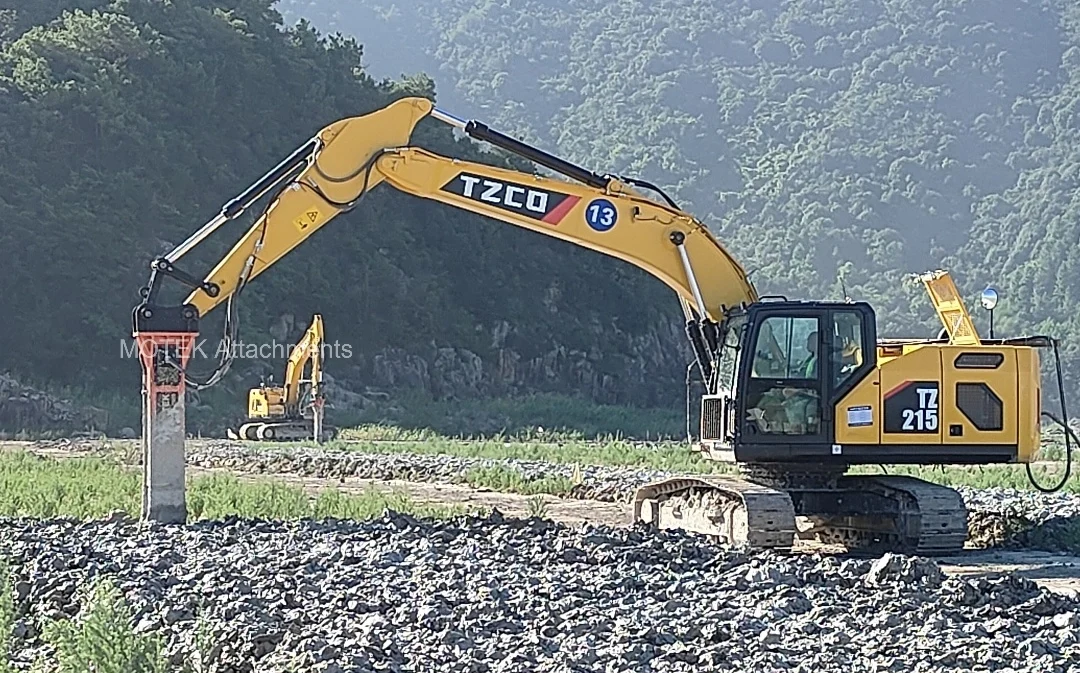
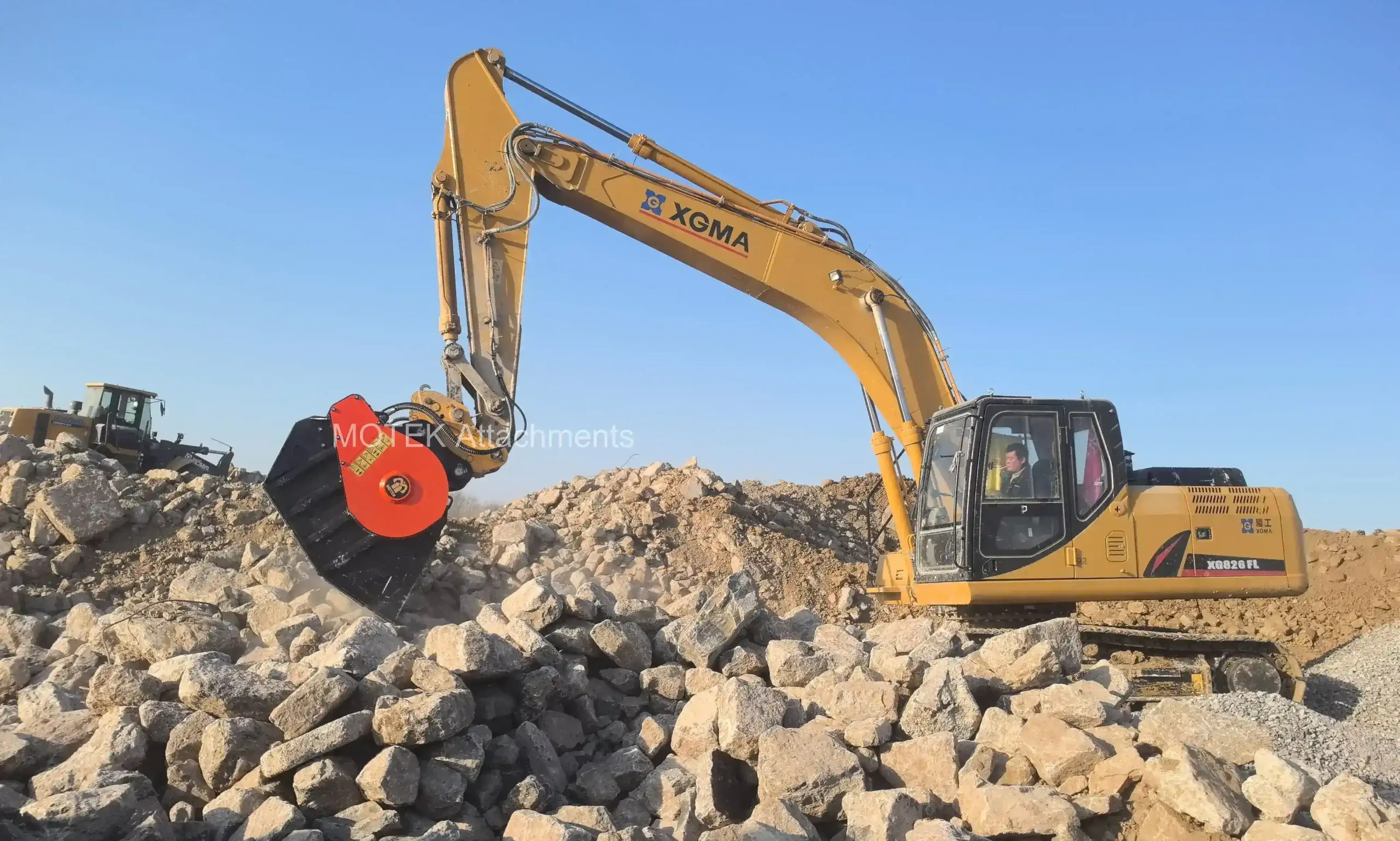
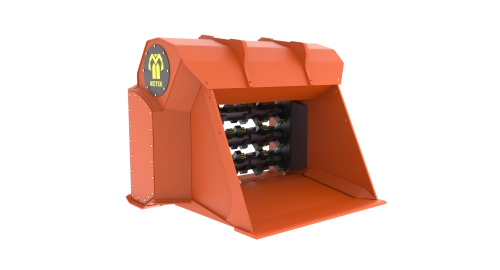
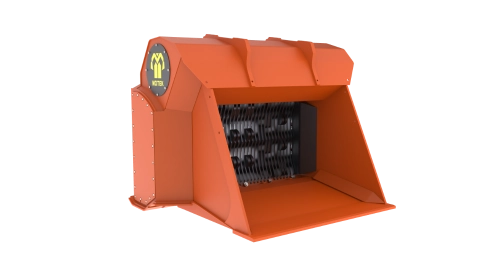
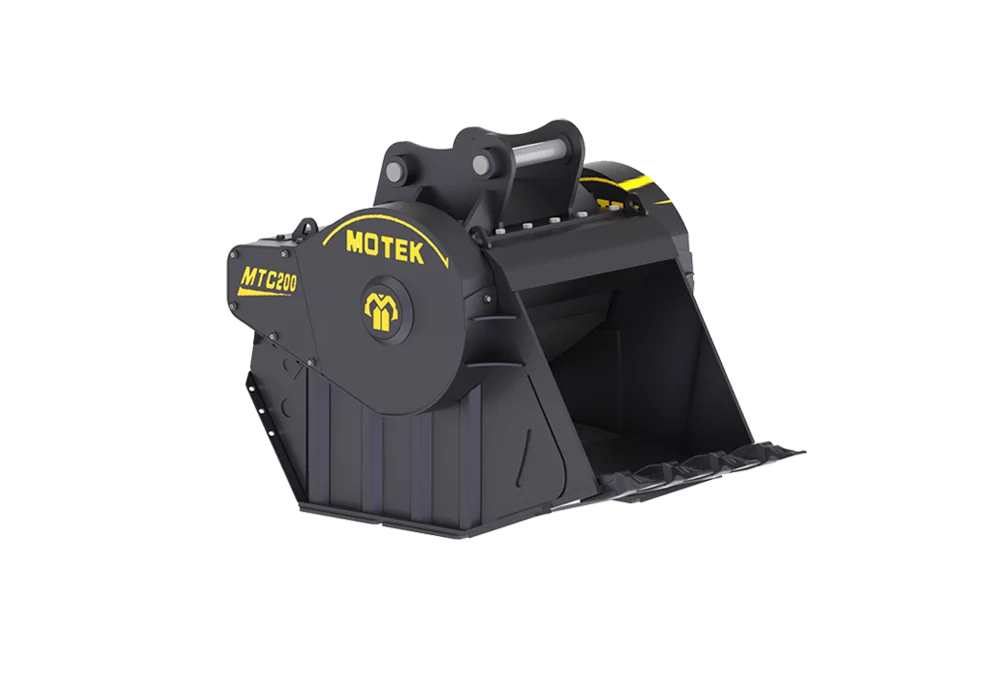
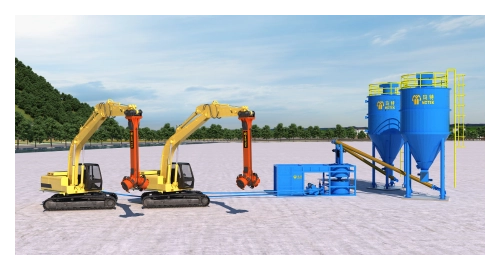
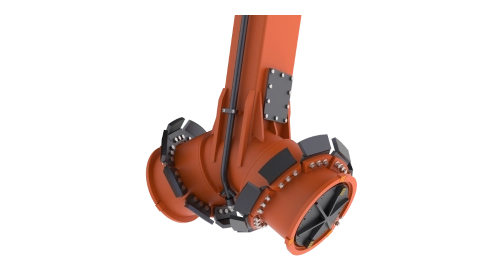
Вместо использования громоздких специализированных установок для смешивания грунта, современные подрядчики применяют навесные смесители для улучшения грунта, которые устанавливаются непосредственно на стандартные экскаваторы. Эти смесители оснащены мощными вращающимися барабанами или смесительными головками с режущими зубьями. Когда стрела экскаватора опускает смеситель в грунт, он перемешивает грунт, одновременно впрыскивая связующее вещество (в виде сухого порошка или влажной суспензии). Это создает однородный, затвердевший грунтоцементный столб именно там, где это необходимо.
Основные области применения навесного оборудования для почвосмесителей
Навесное оборудование для перемешивания грунта отличается высокой универсальностью и может применяться на различных этапах развития инфраструктуры.
1. Строительство дорог и стабилизация земляного полотна.
При строительстве автомагистралей и дорог основание должно быть однородным и стабильным, чтобы предотвратить образование трещин, колеи или разрушение дорожного покрытия в будущем. Навесное оборудование для улучшения грунта идеально подходит для стабилизации грунта на небольшой и средней глубине. Оно позволяет операторам перемещаться вдоль обозначенного пути дороги, смешивая связующие вещества с влажной, мягкой землей для создания стабилизированного базового слоя. Это гарантирует, что дорога сможет выдерживать большие транспортные нагрузки и экстремальные погодные условия в течение длительного времени.
2. Строительство глубокого фундамента
Для крупных сооружений крайне важна глубокая фундаментная конструкция. Навесное оборудование для экскаваторов-бетоносмесителей позволяет создавать перекрывающиеся грунтоцементные колонны, которые служат прочным фундаментным блоком или несущей подпорной стеной. Это особенно полезно в городских условиях, где сильные вибрации от традиционных методов забивки свай могут повредить соседние сооружения. Плавная работа экскаватора-бетоносмесителя без вибраций является здесь существенным преимуществом.
3. Укрепление насыпей и склонов
Мягкие грунты вблизи водоемов или на крутых склонах подвержены оползням и эрозии. Применение... оборудование для стабилизации грунта, Подрядчики могут укрепить грунтовую матрицу на насыпях, тем самым укрепляя склон и предотвращая проникновение воды.
Почему стоит выбирать навесное оборудование для экскаваторов вместо специализированных машин?
При поиске поставщика инструментов для укрепления мягких грунтов подрядчики часто спорят между специализированными смесительными машинами и навесным оборудованием для экскаваторов. Вот почему смесительное оборудование часто является лучшим выбором:
- Экономическая эффективность: Вместо покупки специализированной машины вы можете использовать имеющийся у вас парк экскаваторов. Просто замените ковш на навесное оборудование для механизированной уборки.
- Мобильность и доступность: Экскаваторы гораздо легче, чем массивные стабилизирующие машины, могут передвигаться по узким городским строительным площадкам, крутым склонам и неровной местности.
- Универсальность: После завершения этапа перемешивания грунта навесное оборудование можно снять, и экскаватор может вернуться к копанию, подъему или выравниванию грунта.
- Точность: Шарнирно-сочлененная стрела экскаватора обеспечивает оператору исключительную точность, позволяя выполнять целенаправленное смешивание материалов вблизи существующих коммуникаций или препятствий.
На что обращать внимание при выборе поставщика навесного оборудования для почвосмесителей
Выбор правильного поставщика навесного оборудования для почвообрабатывающих смесей имеет решающее значение для успеха и прибыльности вашего строительного проекта. На рынке представлено множество производителей и поставщиков, но лучшие из них обладают рядом ключевых характеристик:
1. Интеграция передовых технологий
Ведущие поставщики предлагают навесное оборудование, оснащенное передовыми системами впрыска связующего вещества. Ищите поставщиков, чье оборудование позволяет точно контролировать скорость потока цементного или известкового раствора. Современное навесное оборудование часто интегрируется с программным обеспечением в кабине оператора, предоставляя ему данные в режиме реального времени о глубине смешивания, скорости вращения и расходе связующего вещества.
2. Высокое качество изготовления и долговечность.
Смешивание грунта — это очень абразивная работа. Поставщик должен использовать высокопрочную износостойкую сталь для смесительных барабанов и режущих зубьев. Уточните у поставщика срок службы изнашиваемых деталей и насколько легко их можно заменить на строительной площадке, чтобы минимизировать время простоя.
3. Совместимость и настройка
Нет двух абсолютно одинаковых экскаваторов, как и грунтовые условия на разных строительных площадках. Надежный поставщик гарантирует, что его услуги будут выполнены качественно. навесное оборудование для экскаватора-бетоносмесителя Они полностью совместимы с гидравлической системой вашей конкретной машины-носителя (требования к расходу и давлению). Кроме того, они должны предлагать различную ширину барабана и конфигурацию зубьев в зависимости от того, смешиваете ли вы связную глину или абразивные песчаные грунты.
4. Комплексная послепродажная поддержка
Даже самое лучшее оборудование требует технического обслуживания. Сотрудничайте с поставщиком, который гарантирует надежную послепродажную поддержку, включая наличие запасных частей, техническую поддержку и обучение операторов. Поскольку упрочнение мягких грунтов требует точной техники, поставщик, который поможет обучить ваших операторов, обеспечит максимальную эффективность использования навесного оборудования.
Лидерство в инновациях в сфере фондов
Хотя во всем мире существует множество производителей тяжелой техники, ниша... навесные грунтосмесители для экскаваторов Это требует специализированных инженерных решений. Поставщики, которые уделяют большое внимание геотехническим приспособлениям — часто сотрудничая со строительными фирмами для тестирования оборудования в реальных суровых условиях, — как правило, поставляют наиболее надежную продукцию. При выборе поставщика ищите примеры успешных проектов, в которых их оборудование успешно стабилизировало сложные условия, такие как морские глины или болота с высоким уровнем грунтовых вод.
Заключение
Современный строительный ландшафт требует эффективности, экологичности и экономической целесообразности. Для этого необходимо отказаться от устаревших методов «засыпки и замены» и внедрить новые подходы. затвердевание мягких грунтов на месте, Подрядчики могут сэкономить время и значительно снизить воздействие на окружающую среду.
Инвестиции в Навесное оборудование для смесителей, улучшающих качество почвы Превращает стандартную землеройную технику в специализированный геотехнический инструмент. Сочетая передовое навесное оборудование, например, производства Motek, с надежными и экономичными подержанными экскаваторами, строительные компании могут добиться первоклассных результатов в укреплении фундаментов и дорог, одновременно максимизируя свою операционную прибыльность. Создайте прочный фундамент, и пусть грамотный выбор оборудования приведет ваш следующий проект к успеху.
Автор

Лилли Лю
Директор по международным продажам компании MOTEK, обладающая 15-летним опытом работы в отрасли строительной техники, она глубоко понимает динамику мирового рынка и региональные потребности клиентов. Она успешно руководила командами, занимавшимися освоением ключевых международных рынков, в частности, продвижением навесного оборудования для строительной техники и обеспечением крупных зарубежных заказов.