

Как выбрать ковш дробилки для разных типов материалов?
Release time: 2026-10-16
Оглавление
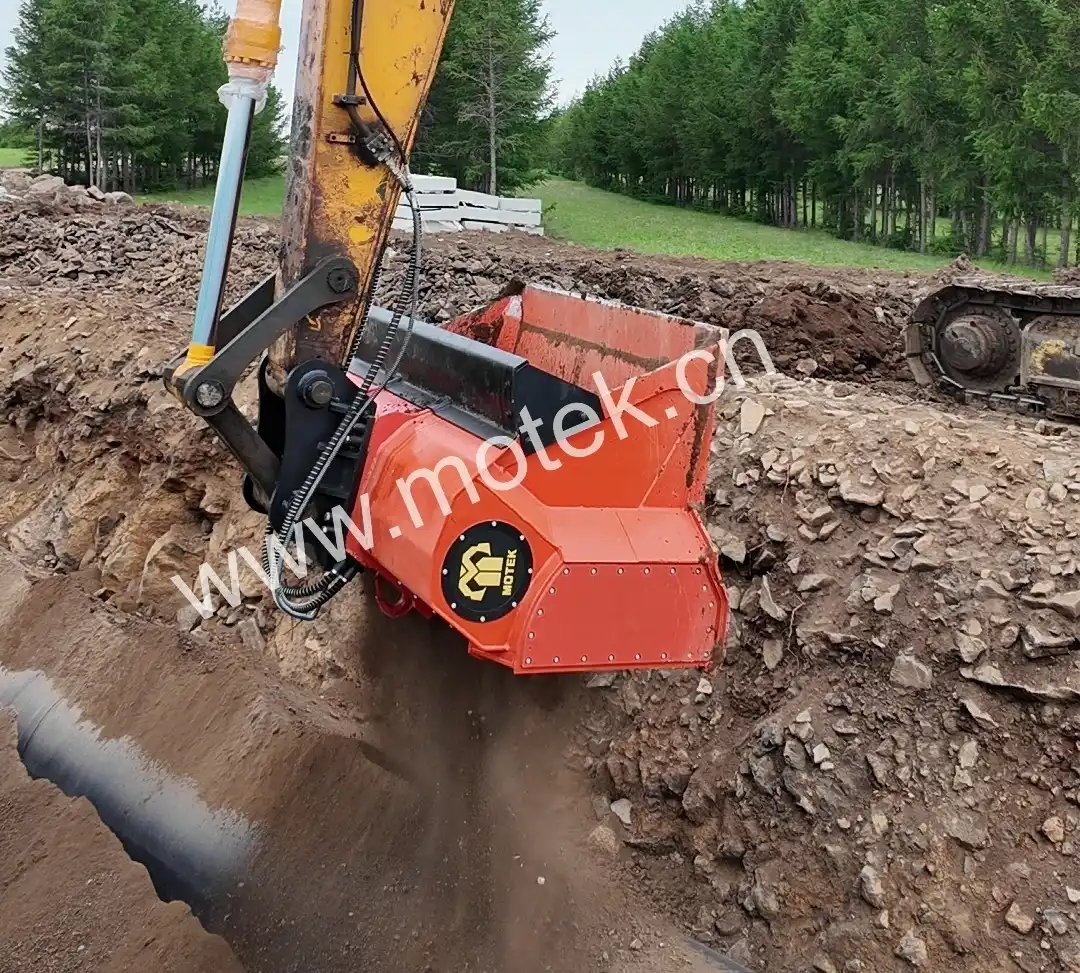
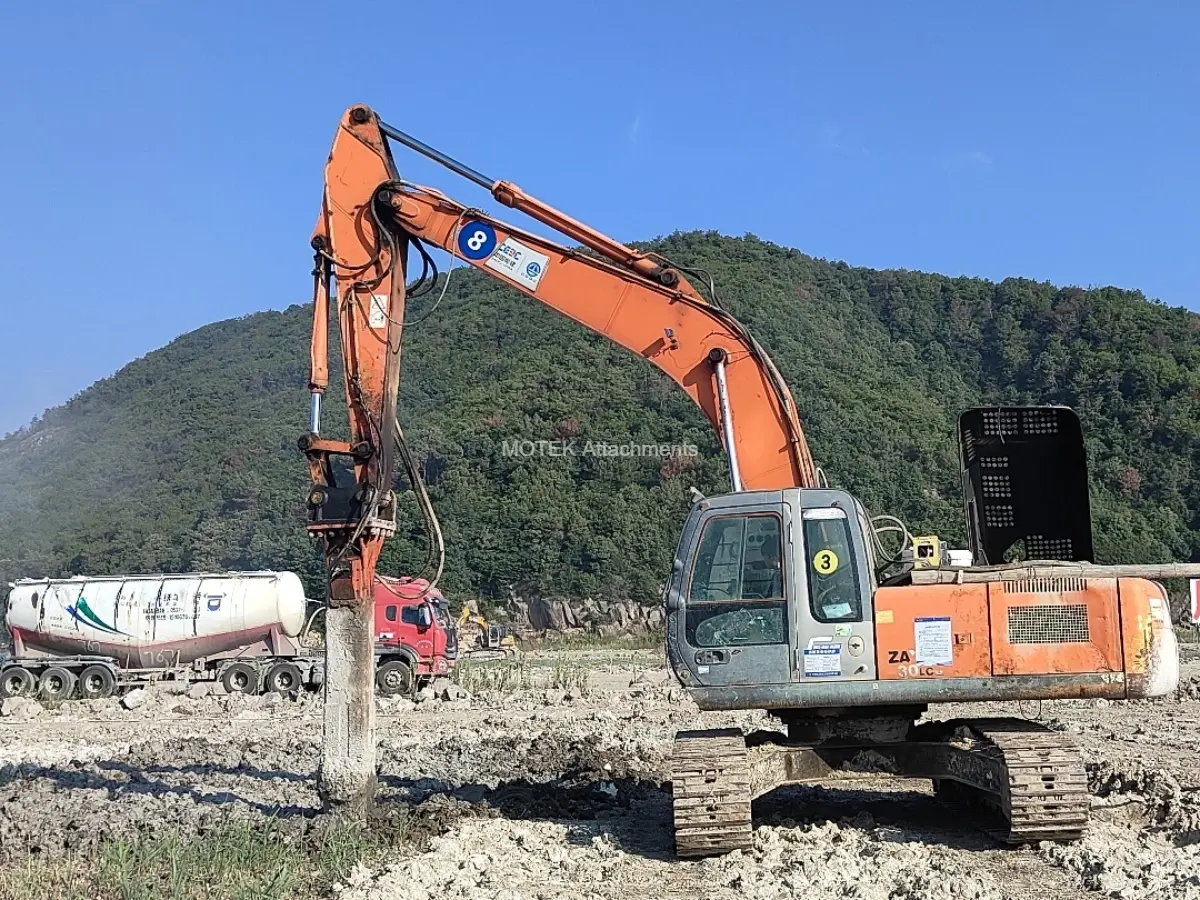
A crusher bucket is a practical attachment for construction, demolition, and material recycling projects where large or bulky materials need to be reduced directly on site. However, different materials place different demands on crushing equipment. Their hardness, size, density, and physical condition can all influence crushing performance and equipment wear.
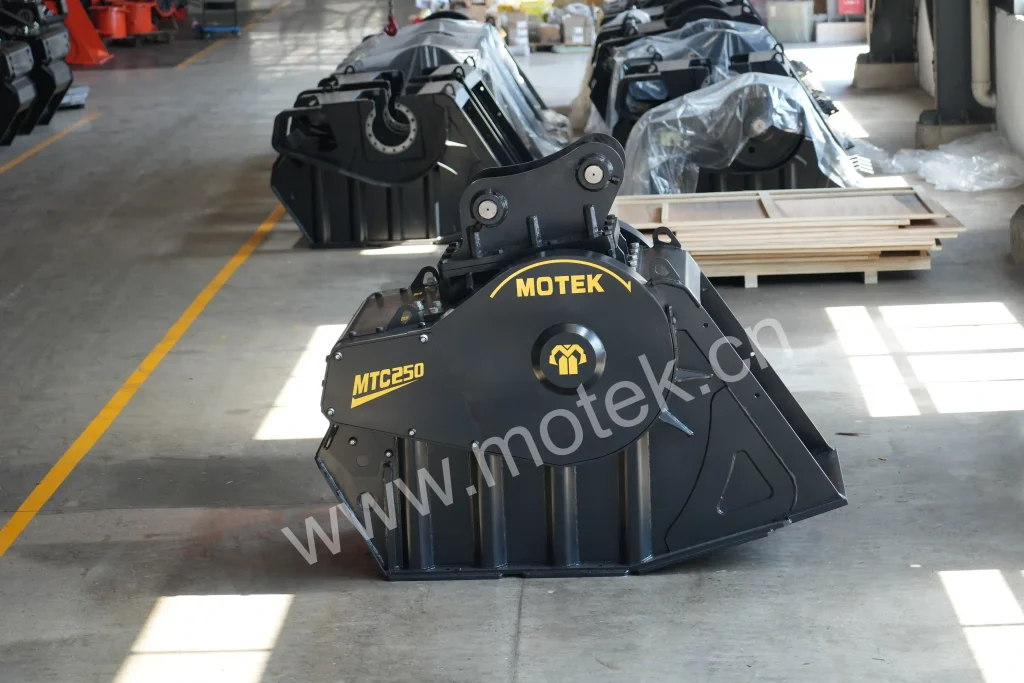
Выбор правильного ковш дробилки requires more than considering the excavator’s size. Contractors also need to understand the characteristics of the materials being processed and the requirements of the final application. By evaluating these factors, operators can select suitable equipment, improve material handling efficiency, and make better use of existing machinery.
Мотек is a professional company integrating research and development, production, sales, construction, and technical services for high-end construction machinery attachments. With over 10 years of experience in patented technology development and iterative R&D, the company has accumulated industry experience in environmental remediation, solidification, and solid waste disposal. It also provides OEM and ODM services according to customer requirements and actual working conditions.
1. Identify the Physical Characteristics of the Material
The first step in selecting a ковш дробилки для различных материалов is to understand what needs to be processed. Materials with different physical properties behave differently during crushing, affecting equipment requirements and operating conditions.
Several characteristics deserve particular attention.
Hardness and Crushing Resistance
Material hardness directly affects the force required during crushing. Hard natural stone, such as basalt, generally requires more demanding crushing conditions than softer construction materials.
For materials with higher crushing resistance, operators should pay attention to the structural strength of the crushing components, jaw durability, and the excavator’s hydraulic capabilities. Selecting equipment that matches the material’s properties helps maintain stable operation.
Abrasiveness and Wear Potential
Some materials contain hard mineral particles that can gradually wear down crushing components. Repeated processing of abrasive materials may increase maintenance requirements and shorten the service life of vulnerable parts.
When handling abrasive stone or mineral-based materials, wear-resistant jaw plates and a reinforced structure are important considerations. The material composition and construction of key components should be evaluated before selecting an attachment.
Size, Shape, and Feeding Conditions
Large concrete blocks, irregular stones, and mixed demolition debris have different feeding characteristics. Oversized pieces may require preliminary size reduction, while irregular shapes can affect how materials enter the crushing chamber.
The bucket opening dimensions and feeding arrangement should therefore be considered alongside the average material size. A suitable opening helps operators handle incoming materials more consistently.
2. Consider the Requirements of Different Material Applications
А ковш дробилки can support several types of on-site crushing work. However, the selection process should account for the specific material and the intended use of the processed output.
Natural Stone and Basalt
Natural stone is commonly encountered in excavation, quarrying, and infrastructure construction. Basalt, in particular, is a relatively hard and abrasive material that places considerable demands on crushing components.
When processing natural stone, contractors should evaluate:
- The hardness and abrasiveness of the stone.
- The dimensions of incoming rock pieces.
- The required particle size after crushing.
- The durability of jaw plates and other wear components.
A reinforced crushing structure and suitable wear-resistant materials can help the attachment withstand demanding working conditions.
Известняк
Limestone is used in various construction and aggregate applications. Its physical characteristics can vary depending on its composition and geological condition.
When selecting equipment for limestone processing, consider the size of the incoming material, the required output dimensions, and the expected processing volume. Consistent feeding and appropriate crushing settings are also important for maintaining stable production.
Concrete and Reinforced Concrete
Concrete waste is frequently generated during building demolition, renovation, and infrastructure reconstruction. Processing it on site can reduce the size of bulky waste and make subsequent transportation or recycling easier.
The presence of reinforcing steel introduces additional considerations. Contractors should evaluate the crushing equipment’s ability to handle the material, as well as the need to manage exposed steel and prevent material accumulation.
For concrete recycling projects, the required output size and the condition of incoming concrete should be established before selecting an attachment.
Строительные и демонтажные отходы
Construction waste often contains a mixture of concrete fragments, bricks, masonry, and other building materials. Unlike relatively uniform natural stone, mixed waste can vary considerably in size and composition.
For these applications, material consistency, feeding conditions, and the proportion of hard or abrasive components should all be considered. Contractors should also identify materials that need to be separated before crushing.
Using a suitable ковш экскаватора-дробилки allows operators to carry out crushing closer to where waste is generated, potentially reducing unnecessary material handling and transportation.

3. Match the Crusher Bucket to the Excavator
Material characteristics are important, but the attachment must also be compatible with the excavator. An unsuitable combination can affect operating stability, hydraulic performance, and overall productivity.
The main specifications to check include:
| Фактор отбора | Что проверить |
| Рабочий вес экскаватора | Whether the attachment falls within the recommended tonnage range |
| Гидравлический поток | Whether the excavator can provide the required oil flow |
| Гидравлическое давление | Whether the hydraulic system meets the attachment’s requirements |
| Вес крепления | Whether the excavator can safely support the operating load |
| Bucket opening | Whether incoming material can enter the crushing chamber |
| Емкость | Whether the bucket suits the expected material volume |
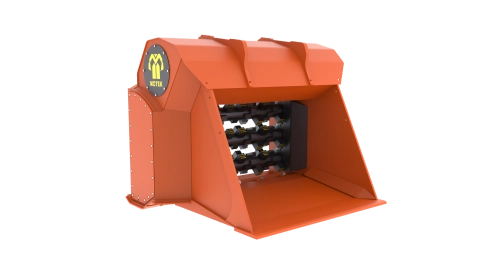
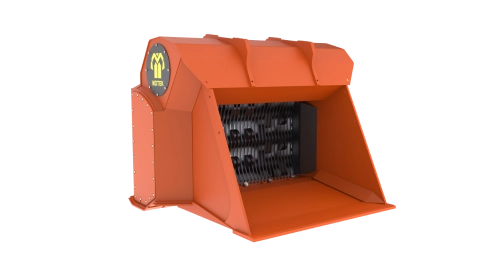
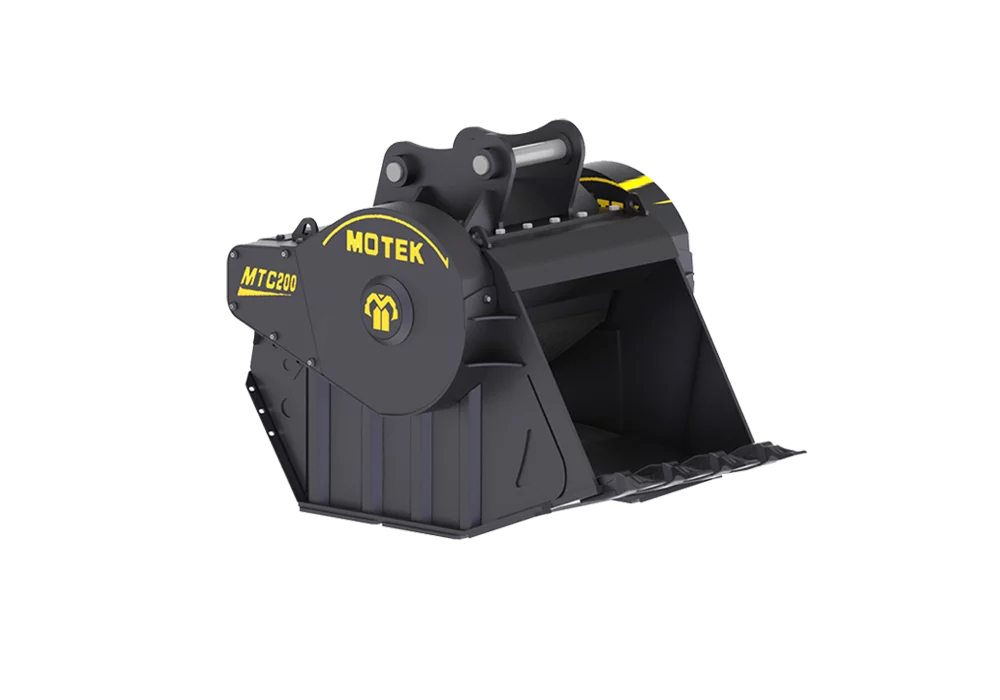
For example, the MTC200 crusher bucket is designed for excavators weighing 18.5–29 tons. It has a capacity of 0.85 m³ and an operating weight of 3,200 kg. Its recommended excavator flow range is 150–220 L/min, with a hydraulic pressure requirement above 220 bar.
These specifications provide a practical reference when evaluating whether an attachment is suitable for the host machine. Hydraulic pressure, connection requirements, and other operating conditions should also be confirmed before installation.
4. Evaluate the Crusher Bucket Structure and Wear Resistance
The construction of an attachment influences how it performs under different working conditions. When processing hard or abrasive materials, particular attention should be paid to the crushing structure and the materials used in key components.
For example, reinforced structural components help the attachment withstand demanding operating loads, while wear-resistant jaw plates are important for repeated contact with hard materials.
The MTC200 features a highly reinforced crusher structure made from Baosteel NM400/NM500 materials, equivalent to Hardox 400/500 grades. Its wide opening provides more space for feeding compared with crusher buckets of the same specification. The crushing bucket is also equipped with Mn18Cr2Mo wear-resistant jaw plates, which offer 40% higher wear resistance than the industry average.
These structural and material features make the MTC200 suitable for demanding crushing applications. Actual wear rates and maintenance intervals still depend on material characteristics, operating intensity, and maintenance practices.
5. Consider Output Size and Subsequent Material Use
The purpose of crushing is not simply to reduce the size of incoming materials. The processed material must also meet the requirements of the next stage of the project.
For example, crushed concrete may be prepared for transportation or further recycling, while processed natural stone may need to meet specific aggregate size requirements.
Before selecting a ковш дробилки для различных материалов, contractors should establish:
- The target output particle size.
- Whether the processed material will be reused or transported.
- The required consistency of the final material.
- The expected daily processing volume.
- Whether additional screening or separation is necessary.
These considerations help determine whether the selected attachment can support the overall material processing workflow.
6. Select a Suitable Model for the Project Scale
Once material characteristics, excavator compatibility, and processing requirements have been evaluated, contractors can compare available models.
The MOTEK crusher bucket range includes several models for different excavator weight ranges:
| Product Model | Applicable Excavator Weight |
| MTL120 | 6–10 tons |
| MTC120 | 10–18 tons |
| МТК200 | 18,5–29 тонн |
| MTC250 | 21–32 тонны |
| MTC330 | 30–50 тонн |
These models cover different excavator size ranges, giving contractors options when planning crushing operations for different equipment configurations.
When comparing models, excavator tonnage should be treated as an initial selection reference rather than the only deciding factor. Hydraulic flow, pressure, attachment dimensions, and actual working conditions must also be checked against the relevant product specifications.
Заключение
Выбор правильного ковш дробилки for different materials requires a clear understanding of material hardness, abrasiveness, feeding conditions, and final output requirements. Natural stone, limestone, concrete, and mixed construction waste each present different operating considerations. Matching these requirements with the attachment structure and excavator specifications is essential for reliable crushing operations.
Мотек integrates R&D, manufacturing, sales, construction, and technical services for high-end construction machinery attachments. With continued product development, patented technologies, and practical experience in environmental remediation and solid waste disposal, the company provides attachment solutions for different construction and material processing requirements.
Its crusher bucket range covers multiple excavator weight classes, allowing contractors to evaluate suitable models according to their machinery configuration and project conditions. For more information about product specifications and model compatibility, visit the MOTEK Crusher Bucket product category or contact the technical team to discuss your application requirements.
Frequently Asked Questions About Crusher Buckets
1. What types of materials can a crusher bucket process?
A crusher bucket can process various materials, including natural stone, limestone, concrete, and construction and demolition waste. The actual processing suitability depends on material hardness, size, abrasiveness, and the attachment’s specifications.
2. Can an excavator crusher bucket handle reinforced concrete?
An excavator crusher bucket can be used in concrete recycling applications. However, reinforced concrete requires additional consideration because steel bars may affect the crushing process. Operators should check the attachment’s capabilities and arrange appropriate separation or handling of reinforcing steel.
3. How do I match a crusher bucket to my excavator?
Check the excavator’s operating weight, hydraulic flow, hydraulic pressure, and attachment connection requirements. The bucket’s weight, dimensions, and capacity should also be compatible with the host machine and the intended working conditions.
4. Why is jaw plate material important when choosing a crusher bucket?
Jaw plates are in direct contact with the materials being crushed. Their hardness and wear resistance affect durability and maintenance requirements, particularly when processing hard or abrasive materials. Choosing suitable jaw plate materials helps the attachment withstand repeated crushing operations.
5. How do I select the right crusher bucket model for my project?
Start by identifying the material type, incoming material size, and required output size. Then compare the excavator’s specifications with the available bucket models. MOTEK offers several options, including MTL120, MTC120, MTC200, MTC250, and MTC330, covering different excavator weight ranges from 6 to 50 tons.
Автор

Гершон Чжоу
Директор по исследованиям и разработкам компании MOTEK. Обладает 18-летним опытом работы в отрасли навесного оборудования для строительной техники. Как сертифицированный инженер национального уровня, он является признанным техническим лидером в области навесного оборудования для землеройных машин.