

Comment choisir un fournisseur fiable de systèmes d'amélioration des sols en Chine ? Quels facteurs faut-il prendre en compte ?
Release time: 2026-09-16
Choisir un fournisseur fiable fournisseur de systèmes d'amélioration des sols in China requires more than comparing equipment prices. For construction contractors and environmental engineering companies, factors such as manufacturing experience, equipment compatibility, customization capabilities, and after-sales support can directly affect project efficiency and long-term operating costs. Whether the project involves soft soil stabilization, soil mixing, or on-site ground improvement, understanding these key factors helps buyers make informed procurement decisions and select equipment suited to their actual working conditions.
Table des matières
Check the Supplier’s Manufacturing Experience and Expertise
The first step is to evaluate the supplier’s experience in soil improvement and construction machinery. A supplier with relevant industry experience is more likely to understand different soil conditions, excavator requirements, and on-site operating challenges.
Check whether the company has its own manufacturing capabilities, product development experience, quality inspection procedures, and a clear product portfolio. Ask for product catalogs, technical documentation, factory information, and references from comparable projects where available.
A reliable soil improvement system supplier should be able to explain how its equipment works, what conditions it is designed for, and which applications may require additional treatment processes.
Evaluate Equipment Performance and Compatibility
Equipment specifications should match the actual project requirements. Before selecting a soil stabilization system, confirm the target working depth, expected processing capacity, excavator operating weight, hydraulic flow, and pressure requirements.
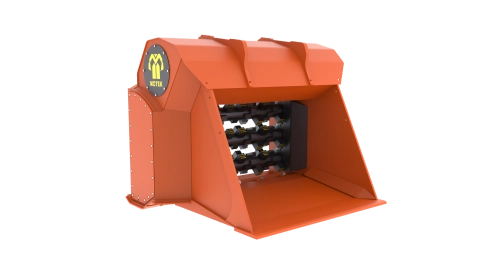
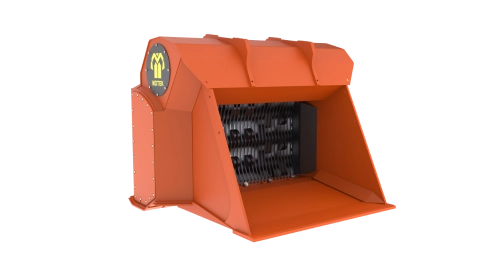
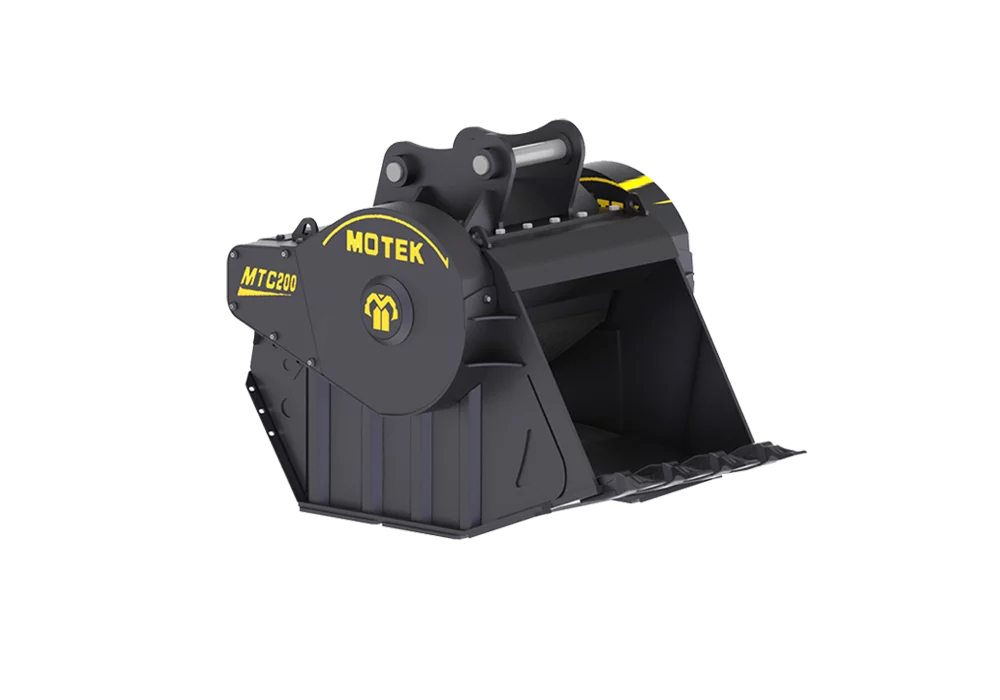
For example, soil mixing equipment is designed to blend soil with suitable solidifying agents or treatment materials. Screening buckets, by comparison, help separate soil from stones and oversized materials. These products serve different functions and should be selected according to the project’s objectives.
Buyers should also examine the durability of mixing blades, hydraulic components, structural materials, and wear parts. Requesting technical specifications and clarification on maintenance requirements can help prevent compatibility problems after delivery.
Assess Customization and Application Support
Soil conditions vary significantly between construction sites. Moisture content, soil composition, working depth, and treatment objectives can all affect equipment selection.
A capable supplier should assess these factors before recommending a configuration. Depending on the project, customization may involve the mixing head, excavator compatibility, control system, agent dosing arrangement, or other system components.
For projects involving soft soil or sludge stabilization, ask whether the supplier can explain the equipment configuration and the factors affecting treatment performance. If contaminated soil is involved, confirm whether the proposed system supports the intended treatment process and what additional testing or environmental controls are required.
Compare After-Sales Service and Spare Parts Availability
After-sales support is particularly important for international equipment buyers. Delays in obtaining spare parts or technical assistance can interrupt construction schedules and increase operating costs.
Before placing an order, clarify the warranty terms, spare parts availability, maintenance guidance, technical support channels, and delivery arrangements. Ask whether the supplier provides installation instructions, operator training, or remote troubleshooting.
It is also helpful to confirm response times and identify which components require routine inspection or replacement.
Verify Quality Control and Total Cost of Ownership
The lowest purchase price does not necessarily represent the best value. Buyers should compare the total cost of ownership, including transportation, installation, maintenance, wear parts, energy consumption, and expected service life.
Request clear quotations, defined product specifications, and written warranty terms. Where appropriate, ask for inspection records, relevant certifications, or performance information from comparable applications. Supplier claims should be supported by verifiable documentation rather than general promises.
Why Consider Motek as a Soil Improvement Equipment Supplier?
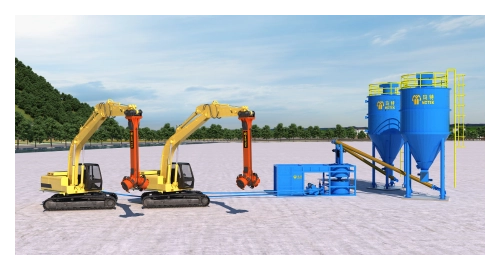
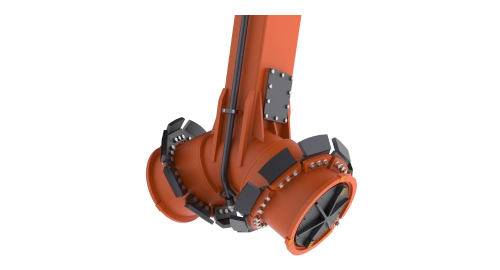
Motek is a China-based construction machinery attachment manufacturer offering soil improvement systems, soil mixing equipment, and screening buckets. Its in-situ soil stabilization system integrates a power mixer, excavator, intelligent control center, and solidifying-agent storage tank to support controlled agent dosing and soil mixing.
When evaluating Motek or any other supplier, buyers should compare the proposed configuration against their soil conditions, target processing capacity, excavator specifications, and project requirements. This approach helps determine whether the equipment is suitable for the intended application.
Choosing a reliable soil improvement system supplier in China requires a comprehensive assessment of manufacturing experience, equipment performance, customization, after-sales service, and total operating costs. By verifying technical specifications and matching equipment capabilities to actual site conditions, buyers can make more informed purchasing decisions.
Motek offers équipement de stabilisation des sols for construction and ground treatment applications. International buyers can use their project requirements to discuss suitable configurations and determine which solution best matches their operational needs.
Auteur

Jack Liu
Directeur général de MOTEK, fort de 20 ans d'expérience dans le secteur des engins de chantier. Ancien agent de plusieurs marques européennes haut de gamme d'accessoires. Un leader visionnaire qui impulse la croissance de MOTEK.