

¿Qué precauciones deben tomarse al utilizar cubos de cribado y trituración en obras de construcción y demolición?
Fecha de lanzamiento: 5 de junio de 2026
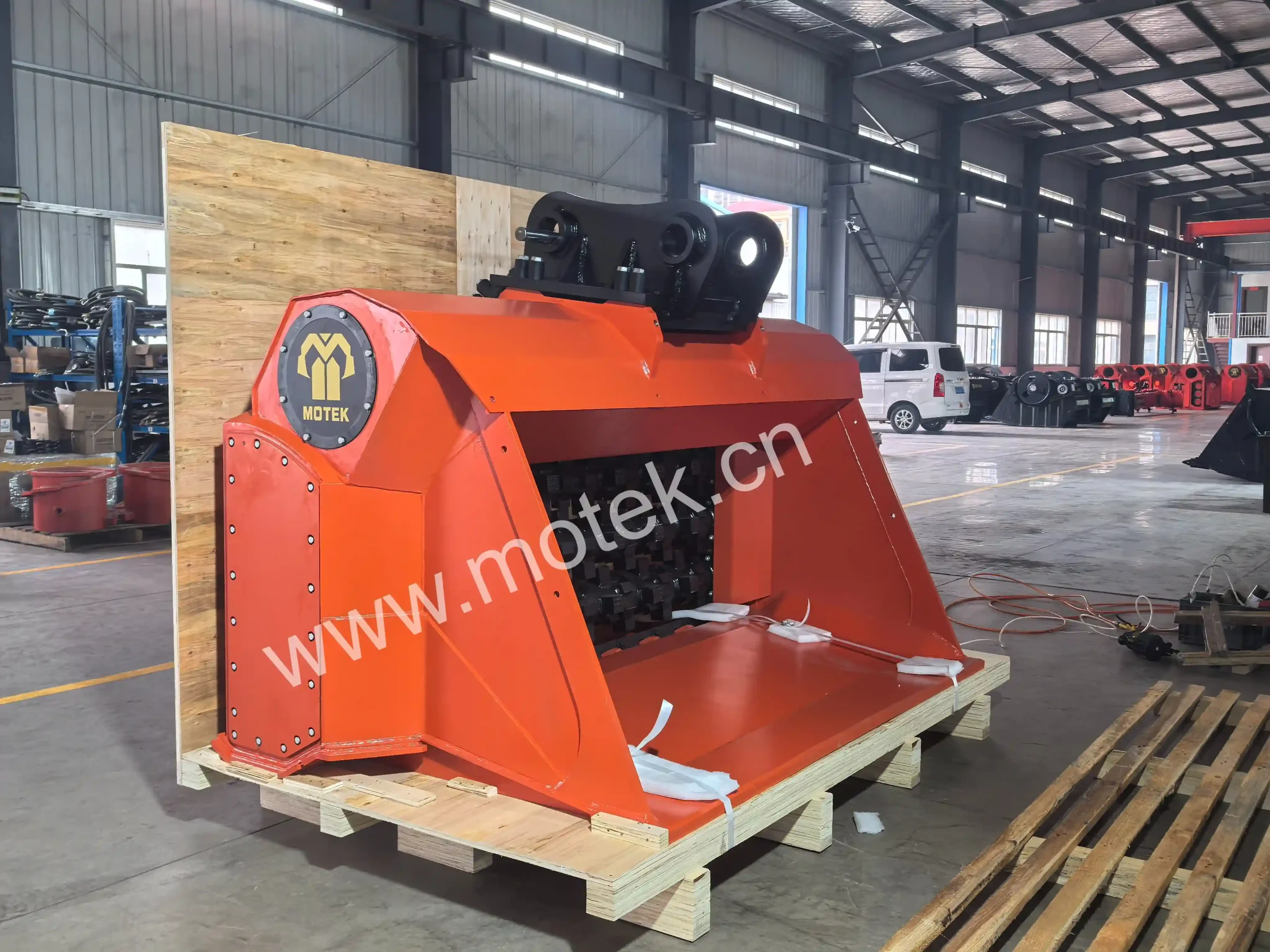
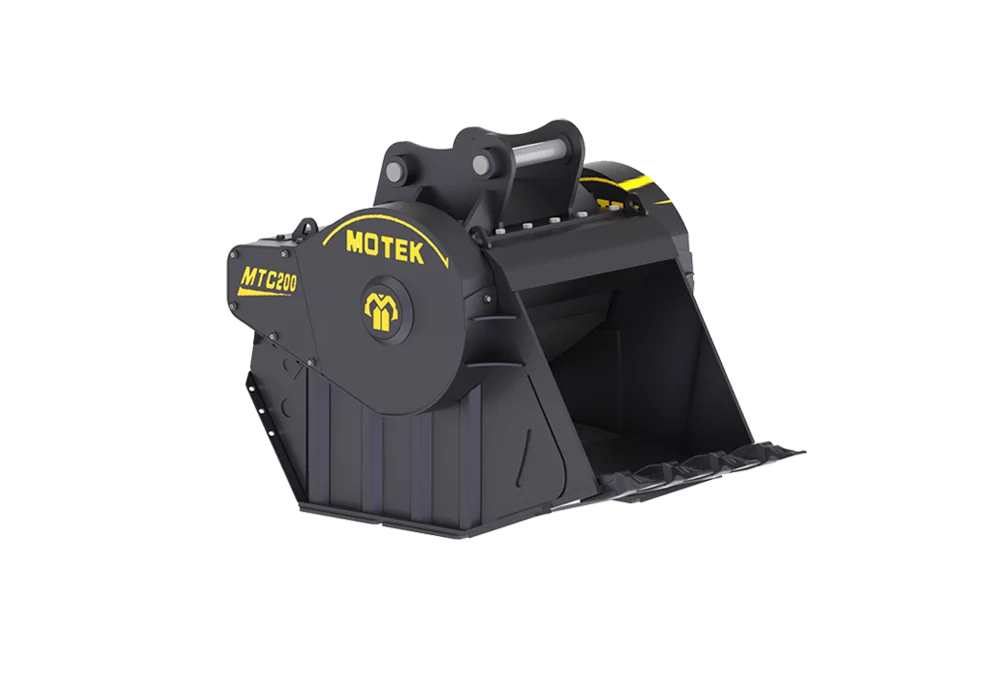
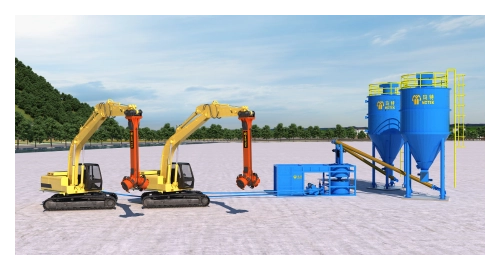
La integración de implementos avanzados para maquinaria pesada ha redefinido fundamentalmente la forma en que los contratistas abordan los proyectos de construcción y demolición. Al transformar una excavadora estándar en una planta móvil de trituración de alta capacidad, las cucharas de cribado y trituración permiten a los operadores reciclar los residuos de demolición directamente en la obra, reduciendo drásticamente la logística de transporte y los costos de vertedero.
Sin embargo, esta enorme potencia operativa implica importantes fuerzas mecánicas. La pulverización de hormigón armado y el cribado de áridos pesados someten a una tensión extrema tanto al accesorio como a la máquina portadora. Para proteger su inversión, maximizar el tiempo de actividad y garantizar la seguridad de su personal de tierra, los operarios deben cumplir con estrictas directrices operativas.
¿Qué precauciones se deben tomar al usar cucharones de cribado y trituración en la construcción y demolición? Esta guía completa detalla los protocolos críticos de preoperación, operación y mantenimiento que todo gerente de flota debe implementar.

Precauciones previas a la operación: Coincidencia y configuración del operador
La mayoría de las fallas catastróficas de los equipos ocurren porque el accesorio no se acopló correctamente a la máquina portadora. Antes de que la cuchara toque un montón de escombros, se deben realizar varias comprobaciones vitales.
Perfeccionando la correspondencia entre el sistema hidráulico y el tonelaje.
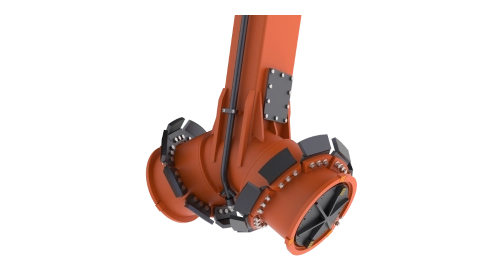
La cuchara trituradora de una excavadora no es una herramienta universal; debe calibrarse con precisión para la excavadora.
- Peso operativo: El peso de una cuchara trituradora completamente cargada es considerable. Si se monta en una excavadora con capacidad insuficiente, representa un grave riesgo de vuelco, especialmente cuando la pluma está totalmente extendida sobre una zanja. Asegúrese siempre de que la máquina portadora cumpla con los requisitos mínimos de peso del fabricante.
- Caudal y presión hidráulica: La mandíbula interna o el rotor de cribado de la cuchara se acciona mediante las líneas hidráulicas auxiliares de la excavadora. Debe verificar que el caudal hidráulico de la máquina (medido en litros por minuto – L/min) coincida con las especificaciones de la cuchara. Si el caudal es demasiado bajo, la cuchara se atascará en roca dura. Si el caudal es demasiado alto, se dañarán los sellos hidráulicos y el motor se sobrecalentará.
Inspecciones visuales y mecánicas diarias
Antes de comenzar el turno, el operador debe realizar una inspección visual exhaustiva de 360 grados. Verifique los pasadores del acoplamiento rápido para asegurarse de que la cuchara esté firmemente sujeta a la pluma. Inspeccione las mangueras hidráulicas en busca de signos de abrasión, abultamiento o fugas. La rotura de una manguera de alta presión en una obra de demolición puede causar lesiones graves e interrumpir inmediatamente el procesamiento del material. Finalmente, revise las placas internas de las mandíbulas o la malla de cribado en busca de grietas o desgaste excesivo.
Precauciones de seguridad operativa en el lugar de trabajo
Una vez que la máquina está en marcha y debidamente calibrada, la atención se centra en cómo el operador maneja el equipo durante el procesamiento de residuos de construcción en tiempo real. Conducir una cuchara trituradora requiere un conjunto de habilidades completamente diferente al de la excavación tradicional.
Gestión de la entrada de materiales y prevención de atascos
La regla de oro del uso de un cucharón triturador de excavadora es: No sobrealimente la cámara. Al procesar escombros de demolición, los operarios suelen verse tentados a recoger la mayor cantidad posible para ahorrar tiempo. Sin embargo, sobrecargar la pala provoca la formación de puentes de material, donde grandes losas de hormigón se atascan entre sí, impidiendo que lleguen a las mandíbulas trituradoras. Esto detiene la máquina y obliga al operario a desatascarla manualmente, lo que supone una pérdida de tiempo valioso. Los operarios deben recoger cargas manejables, permitiendo que la gravedad alimente los escombros suavemente hacia las mandíbulas.
Manipulación de hormigón armado y barras de refuerzo
En las obras de demolición, el hormigón rara vez está limpio; suele estar repleto de barras de acero. Si bien las cucharas trituradoras de alta gama están diseñadas para manejar acero ocasionalmente, un exceso de barras de acero enredadas puede enredarse en los ejes de transmisión internos o perforar la cinta trituradora.
Precaución: Siempre que sea posible, los operarios deben utilizar una cizalla hidráulica o una pulverizadora para el pretratamiento de pilares fuertemente reforzados, extrayendo las secciones de acero más grandes antes de introducir el hormigón en la trituradora. Asimismo, se recomienda instalar un separador de hierro de alta resistencia (imán) a la salida de la trituradora para extraer el acero antes de que se mezcle con el árido limpio.
Conciencia espacial y posicionamiento de la pluma
Debido a que la cuchara trituradora genera vibraciones intensas, la posición de la pluma de la excavadora es fundamental. Los operadores deben evitar triturar con la pluma completamente extendida o elevada. Esto desestabiliza el centro de gravedad de la máquina y transmite ondas de choque excesivas a través del cilindro de la pluma directamente a la cabina de la excavadora, lo que provoca fatiga en el operador y desgaste prematuro de los pasadores de la pluma. Mantenga la cuchara cerca del suelo y del tren de rodaje para maximizar la estabilidad y la absorción de impactos.
Precauciones de mantenimiento para una mayor durabilidad
Incluso los accesorios mejor diseñados fallarán si se descuidan. El mantenimiento preventivo y constante es la única manera de garantizar que su planta móvil de trituración siga generando un alto retorno de la inversión año tras año.
Programas de lubricación estrictos
La trituración de roca genera una fricción y un calor increíbles. Los cojinetes y los ejes excéntricos de estas cucharas requieren una grasa especializada de alta temperatura. Una medida de precaución estándar es lubricar todos los puntos de lubricación principales cada 8 a 10 horas de funcionamiento continuo. Omitir este paso, incluso por un día, puede provocar que los cojinetes principales se atasquen, lo que resultaría en miles de dólares en costos de reparación y semanas de inactividad.
Supervisión de piezas de desgaste
Las placas de mandíbula, las placas laterales y las cuchillas de cribado son piezas de desgaste consumibles. Están diseñadas para degradarse con el tiempo y así proteger la estructura principal. Los operadores deben supervisar el desgaste de las placas de mandíbula. Si se vuelven completamente lisas, la cuchara perderá su capacidad de agarre y trituración de la roca, lo que reducirá drásticamente la eficiencia del procesamiento. Rotar periódicamente las placas de mandíbula superior e inferior garantiza un desgaste uniforme y prolonga su vida útil hasta 30%.
Mantener la salud del portador
Recuerde que el accesorio depende completamente de la excavadora. Las operaciones de trituración elevan la temperatura del fluido hidráulico de la máquina más rápidamente que las excavaciones convencionales. Asegúrese de que los enfriadores y radiadores del aceite hidráulico de la excavadora se limpien y purguen diariamente. En entornos de demolición polvorientos, los radiadores obstruidos provocarán el sobrecalentamiento de todo el sistema hidráulico, lo que causará la parada de la máquina.
Precauciones en materia de abastecimiento y adquisiciones
La última precaución se toma mucho antes de que el equipo llegue a la obra: la selección del proveedor. El mercado de accesorios para construcción y demolición está inundado de imitaciones de baja calidad que parecen robustas, pero que presentan una metalurgia interna frágil que se agrieta bajo presión.
Al ampliar su flota, asóciese con un proveedor establecido y técnicamente competente. Para los contratistas que buscan un alto retorno de la inversión, abastecerse de un exportador de maquinaria de construcción usada de buena reputación ofrece un excelente equilibrio entre costo y confiabilidad. proveedor confiable de cubos trituradores No se limitarán a venderle una pieza de hierro; verificarán la compatibilidad de tonelaje, probarán los motores hidráulicos y se asegurarán de que el accesorio sea estructuralmente sólido antes de su envío.
Eficiencia a través de la disciplina
El papel de las cucharas de cribado y trituración en la revolución del procesamiento de residuos de construcción es innegable. Al convertir las excavadoras convencionales en centros de reciclaje dinámicos, los contratistas pueden evitar problemas logísticos y aumentar drásticamente sus márgenes de beneficio. Sin embargo, este potencial debe gestionarse con estricta disciplina. Al seleccionar cuidadosamente el equipo, aplicar prácticas operativas seguras y cumplir con rigurosos programas de mantenimiento, se garantiza que los implementos sigan siendo imparables en la obra, proyecto tras proyecto.
¿Busca mejorar sus capacidades de demolición? Explore nuestro inventario completo de maquinaria pesada rigurosamente probada y descubra cómo la adecuada Accesorios para el reciclaje de residuos de construcción puede transformar sus operaciones.
Autor

Lilly Liu
Directora de Ventas Internacionales de MOTEK. Con 15 años de experiencia en el sector de la maquinaria de construcción, posee un profundo conocimiento de la dinámica del mercado global y las necesidades de los clientes regionales. Ha liderado con éxito equipos para penetrar en mercados internacionales clave, especialmente en la promoción de accesorios para maquinaria de construcción y la obtención de pedidos internacionales de alto valor.