

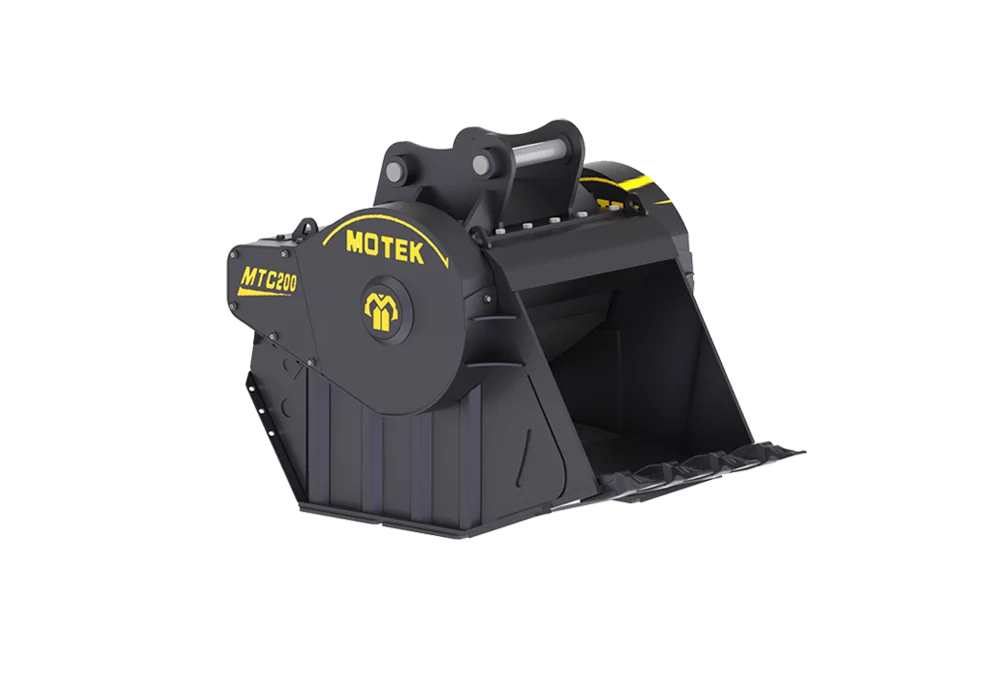
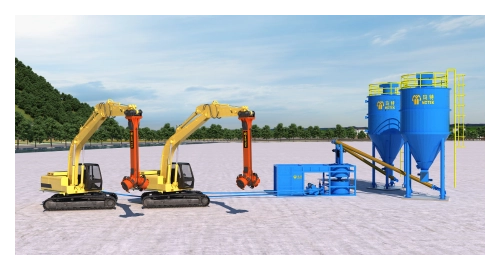
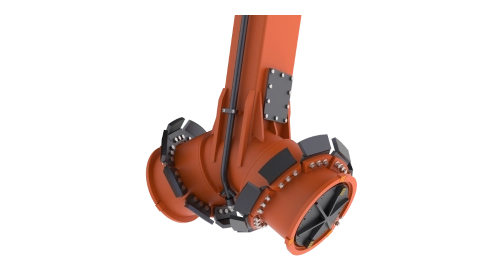

Was sind die drei wichtigsten Kriterien bei der Auswahl von Bodenverbesserungsgeräten?
Veröffentlichungsdatum: 23.07.2026
Inhaltsverzeichnis
Die Auswahl der richtigen Bodenverbesserungsgeräte ist eine der wichtigsten Entscheidungen für Bauunternehmen, Landwirtschaftsbetriebe und Infrastrukturentwickler. Die richtige Maschine kann die Produktivität deutlich steigern, die Betriebskosten senken und hochwertige Ergebnisse bei der Bodenstabilisierung erzielen. Die Wahl ungeeigneter Geräte hingegen kann zu mangelhafter Bodenbehandlung, höheren Wartungskosten und kostspieligen Verzögerungen führen.
Bei der Vielzahl an verfügbaren Modellen – von kompakten, traktormontierten Bodenmischern bis hin zu leistungsstarken, selbstfahrenden Bodenstabilisatoren – ist es oft schwierig, die passende Maschine zu finden. Faktoren wie Preis, Marke und Aussehen beeinflussen zwar häufig die Kaufentscheidung, doch erfahrene Fachleute konzentrieren sich auf drei entscheidende Leistungsmerkmale, die den wahren Wert einer Maschine bestimmen.
In diesem Artikel werden wir diese drei wesentlichen Indikatoren näher betrachten und erläutern, wie sie Ihnen bei der Auswahl der am besten geeigneten Bodenverbesserungsgeräte für Ihre Projekte helfen können.
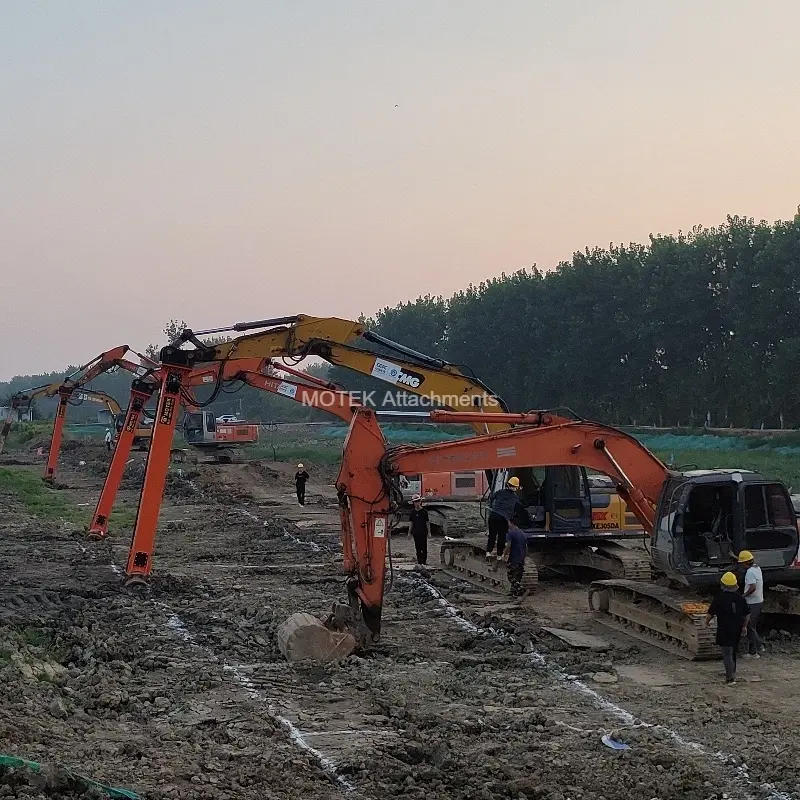
Warum die Wahl der richtigen Bodenverbesserungsgeräte wichtig ist
Bodenverbesserung ist in vielen Branchen unerlässlich, darunter:
- Autobahnbau
- Bahntechnik
- Flughafenentwicklung
- Bergbausanierung
- Gewerbebau
- Landwirtschaft
- Landentwicklung
- Umweltwiederherstellung
Ziel ist es, die Festigkeit, Stabilität, Drainage und Tragfähigkeit des Bodens durch Einmischen von Zusatzstoffen wie Kalk, Zement, Flugasche oder organischen Materialien in den vorhandenen Boden zu verbessern.
Da jedes Projekt einzigartige Bodenverhältnisse und Produktionsanforderungen aufweist, ist die Auswahl der Ausrüstung anhand messbarer Leistungsindikatoren weitaus effektiver als die Auswahl ausschließlich nach dem Preis.
Indikator 1: Arbeitsleistung und Produktivität
Der erste und wichtigste Indikator ist Arbeitsleistung, was sich direkt auf die Effizienz und Rentabilität des Projekts auswirkt.
Hochleistungsfähige Bodenverbesserungsgeräte sollten Folgendes bieten:
- Gleichmäßige Bodenmischung
- Einheitliche Stabilisierungstiefe
- Hohe Betriebsgeschwindigkeit
- Hohe Tagesproduktion
- Zuverlässiger Betrieb unter kontinuierlicher Belastung
Wichtige Leistungskennzahlen
Bei der Bewertung der Produktivität sollten Sie Folgendes berücksichtigen:
Arbeitsbreite
Eine breitere Mischtrommel deckt mit jedem Durchgang eine größere Fläche ab und steigert so die Produktivität bei großflächigen Projekten.
Typische Bereiche umfassen:
- Kleingeräte: 1–2 Meter
- Mittlere Ausrüstung: 2–3 Meter
- Große Stabilisatoren: 2,4–3,5 Meter oder mehr
Arbeitstiefe
Unterschiedliche Anwendungsbereiche erfordern unterschiedliche Behandlungstiefen.
Beispiele hierfür sind:
- Landwirtschaftliche Nutzung: 150–300 mm
- Straßenstabilisierung: 300–500 mm
- Schwere Infrastruktur: bis zu 600 mm oder tiefer
Maschinen mit einstellbarer Arbeitstiefe bieten mehr Flexibilität bei der Durchführung verschiedener Projekte.
Betriebsgeschwindigkeit
Höhere Fahrgeschwindigkeiten verbessern die Produktivität bei gleichbleibender Mischqualität.
Moderne Anlagen vereinen Geschwindigkeit mit gleichmäßiger Materialmischung.
Tagesproduktionskapazität
Große, selbstfahrende Stabilisatoren können täglich Tausende von Quadratmetern bearbeiten und sind daher ideal für Infrastrukturprojekte geeignet.
Indikator 2: Anpassungsfähigkeit an Boden- und Projektbedingungen
Selbst die leistungsstärkste Maschine kann ihre volle Leistung nicht entfalten, wenn sie sich nicht an unterschiedliche Bodenverhältnisse anpassen kann.
Vielseitig Bodenverbesserungsgeräte sollte mit verschiedenen Bodentypen, Geländearten und Stabilisierungsmaterialien zurechtkommen, ohne Leistungseinbußen hinnehmen zu müssen.
Bodenverträglichkeit
Ideale Anlagen sollten Folgendes effizient verarbeiten:
- Ton
- Sand
- Schlick
- Kies
- Gemischte Böden
- Verwittertes Gestein
Einige Maschinen verfügen über spezielle Rotorkonstruktionen, die die Leistung in stark verdichteten Böden verbessern.
Materialverträglichkeit
Für verschiedene Projekte werden unterschiedliche Zusatzstoffe benötigt, wie zum Beispiel:
- Kalk
- Zement
- Flugasche
- Wasser
- Bio-Kompost
- Gips
Die Maschine sollte diese Materialien gleichmäßig über die gesamte Behandlungstiefe vermischen.
Geländeanpassungsfähigkeit
Projekte können Folgendes umfassen:
- Flaches Ackerland
- Bergstraßen
- Hangbaustellen
- Stadterneuerung
- Wiederherstellung von Feuchtgebieten
Maschinen mit leistungsstarken Traktionssystemen und einstellbaren Betriebsparametern erzielen in unterschiedlichen Umgebungen bessere Ergebnisse.
Indikator 3: Gesamtbetriebskosten und Zuverlässigkeit
Viele Käufer konzentrieren sich nur auf den Kaufpreis, erfahrene Bauunternehmer hingegen bewerten die Gesamtbetriebskosten (TCO).
Die Betriebskosten über die gesamte Lebensdauer der Maschine übersteigen oft deren ursprünglichen Kaufpreis.
Kraftstoffeffizienz
Treibstoffkosten gehören zu den größten Betriebsausgaben.
Moderne Geräte zeichnen sich häufig durch folgende Merkmale aus:
- Intelligentes Motormanagement
- Automatische Leistungsanpassung
- Betrieb im Eco-Modus
- Optimierte Hydrauliksysteme
Diese Technologien reduzieren den Kraftstoffverbrauch bei gleichbleibender Produktivität.
Wartungsanforderungen
Zuverlässige Maschinen sollten Folgendes bieten:
- Einfacher Zugang zu Servicestellen
- Langlebige, verschleißfeste Komponenten
- Einfacher Rotorwechsel
- Lange Wartungsintervalle
Geringerer Wartungsaufwand bedeutet höhere Maschinenverfügbarkeit und niedrigere Reparaturkosten.
Verfügbarkeit von Ersatzteilen
Bitte vor dem Kauf bestätigen:
- Unterstützung durch lokale Händler
- Teilebestand
- Technischer Service
- Garantieumfang
Der schnelle Zugriff auf Ersatzteile minimiert Ausfallzeiten.
Maschinenlebensdauer
Hochwertige Bodenverbesserungsgeräte ist erstellt mit:
- Verstärkte Rahmen
- Hochleistungsgetriebe
- Verschleißfeste Mischwerkzeuge
- Korrosionsbeständige Beschichtungen
Die Langlebigkeit hat einen direkten Einfluss auf die langfristige Rentabilität.
Weitere Faktoren, die es zu berücksichtigen gilt
Während die drei Hauptindikatoren Ihre Entscheidung leiten sollten, können auch mehrere sekundäre Faktoren die Geräteauswahl beeinflussen.
einfache Bedienung
Moderne Maschinen umfassen oft:
- Touchscreen-Displays
- Automatische Tiefensteuerung
- GPS-Führung
- Echtzeitüberwachung
- Benutzerfreundliche Bedienelemente
Diese Merkmale verbessern die Produktivität und verringern gleichzeitig die Ermüdung des Bedieners.
Sicherheitsmerkmale
Zu den wesentlichen Sicherheitssystemen gehören:
- Not-Aus-Funktionen
- Überschlagschutz
- Staubunterdrückungssysteme
- Automatische Fehlererkennung
- Verbesserungen der Bedienersicht
Eine sicherere Maschine trägt dazu bei, Arbeitsunfälle zu reduzieren und die Branchenvorschriften einzuhalten.
Umweltleistung
Viele Projekte erfordern heutzutage umweltfreundliche Bauweisen.
Achten Sie auf Geräte, die Folgendes bieten:
- emissionsarme Motoren
- Reduzierter Kraftstoffverbrauch
- Niedrige Geräuschpegel
- Effiziente Materialnutzung
- Minimale Bodenbearbeitung
Diese Funktionen können dazu beitragen, Nachhaltigkeitsziele und regulatorische Anforderungen zu erfüllen.
Vergleich der drei kritischen Indikatoren
| Indikator | Warum das wichtig ist | Was zu bewerten ist |
|---|---|---|
| Arbeitsleistung | Bestimmt die Projekteffizienz | Arbeitsbreite, -tiefe, -geschwindigkeit, Tagesleistung |
| Anpassungsfähigkeit | Gewährleistet eine gleichbleibende Leistung unter verschiedenen Bedingungen | Bodenverträglichkeit, Materialmischung, Geländetauglichkeit |
| Betriebskosten und Zuverlässigkeit | Reduziert die langfristigen Besitzkosten | Kraftstoffeffizienz, Wartung, Langlebigkeit, Ersatzteilversorgung |
Zusammen bilden diese Indikatoren einen umfassenden Rahmen für die Bewertung von Bodenverbesserungsmaschinen.
Tipps zur Auswahl der richtigen Bodenverbesserungsgeräte
Bevor Sie einen Kauf tätigen, stellen Sie sich folgende Fragen:
- Wie groß sind meine Projekte im Durchschnitt?
- Mit welchen Bodentypen werde ich am häufigsten arbeiten?
- Wie tief muss der Boden behandelt werden?
- Welche Stabilisierungsmaterialien werde ich verwenden?
- Wie hoch ist mein zu erwartendes jährliches Arbeitspensum?
- Sind lokaler Service und technischer Support verfügbar?
- Wie hoch sind die geschätzten Betriebskosten über fünf Jahre?
Die Beantwortung dieser Fragen trägt dazu bei, dass Ihre Investition Ihren betrieblichen Bedürfnissen und Ihrem Budget entspricht.
Abschluss
Bei der Auswahl Bodenverbesserungsgeräte, Die drei wichtigsten Indikatoren sind Arbeitsleistung, Anpassungsfähigkeit und Gesamtbetriebskosten bei gleichzeitiger Langzeitzuverlässigkeit. Eine Maschine, die hohe Produktivität bietet, unter verschiedenen Bodenbedingungen gut funktioniert und Wartungs- und Kraftstoffkosten minimiert, erzielt die höchste Rendite.
Statt sich allein auf den Kaufpreis zu konzentrieren, sollten Sie die Gesamteffizienz, Vielseitigkeit und Lebenszykluskosten der Geräte bewerten. Ob Sie landwirtschaftliche Flächen bewirtschaften, Straßen stabilisieren oder große Baustellen vorbereiten – die Wahl der richtigen Bodenbearbeitungsgeräte verbessert die Projektqualität, steigert die betriebliche Effizienz und maximiert die langfristige Rentabilität.
Häufig gestellte Fragen (FAQ)
Was ist der wichtigste Faktor bei der Auswahl von Bodenverbesserungsgeräten?
Die Arbeitsleistung ist im Allgemeinen der wichtigste Faktor, da sie sich direkt auf die Produktivität, die Mischqualität und die Projektfertigstellungszeit auswirkt.
Warum ist die Anpassungsfähigkeit von Geräten wichtig?
Anpassungsfähige Maschinen können mit verschiedenen Bodentypen, Geländearten und Stabilisierungsmaterialien umgehen und eignen sich daher für ein breiteres Spektrum an Projekten.
Sollte ich mich auf den Kaufpreis oder die Betriebskosten konzentrieren?
Der Kaufpreis ist zwar wichtig, aber die gesamten Betriebskosten – einschließlich Kraftstoff, Wartung, Reparaturen und Ausfallzeiten – bieten ein genaueres Maß für den langfristigen Wert.
Wie kann ich die Zuverlässigkeit von Maschinen bewerten?
Prüfen Sie vor dem Kauf den Ruf des Herstellers, die Garantiebedingungen, Kundenbewertungen, die Verfügbarkeit von Ersatzteilen und die Wartungsanforderungen.
Welche Branchen nutzen Bodenverbesserungsgeräte am häufigsten?
Zu den größten Anwendern von Bodenverbesserungsgeräten zählen das Bauwesen, die Verkehrsinfrastruktur, die Landwirtschaft, der Bergbau, die Umweltsanierung und die Landentwicklung.
Autor

Gershon Zhou
MOTEK-Forschungs- und Entwicklungsleiter mit 18 Jahren Erfahrung in der Anbaugeräteindustrie für Baumaschinen. Als national zertifizierter leitender Ingenieur ist er eine anerkannte technische Führungspersönlichkeit im Bereich der Anbaugeräte für Erdbewegungsmaschinen.