

Warum eignen sich Baggerlöffel für das Betonrecycling vor Ort?
Veröffentlichungsdatum: 24.06.2026
Inhaltsverzeichnis
Im modernen Bau- und Abbruchsektor wird Betonabfall nicht mehr nur als Bauschutt betrachtet, sondern als wertvolle Ressource. Die traditionelle Entsorgungsmethode besteht jedoch darin, ihn in Muldenkipper zu verladen, hohe Transportkosten zu zahlen und ihn einer Deponie oder einem Recyclingunternehmen zu übergeben, wo ebenfalls hohe Entsorgungsgebühren anfallen.
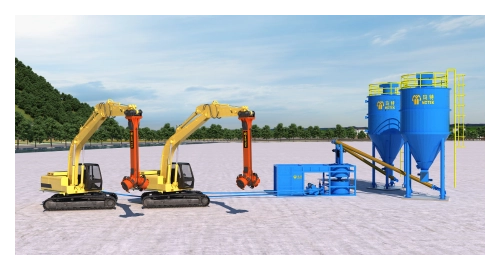
Für Bauunternehmer und Projektmanager, die in Zeiten immer strengerer Umweltauflagen ihre Rentabilität maximieren wollen, stellt dieser traditionelle Arbeitsablauf eine enorme Ressourcenverschwendung dar. Die Lösung liegt in der dezentralen Verarbeitung. Durch die Ausstattung von Standard-Baumaschinen mit einer Bagger-Brecherschaufel, Unternehmen können ihre Baustellen in autarke, CO2-neutrale Materialrecyclingzentren verwandeln.
Hier finden Sie eine umfassende Aufschlüsselung der Gründe, warum Brecherlöffel zum wichtigsten Anbaugerät für das Betonrecycling vor Ort geworden sind und wie sie die finanzielle Landschaft von Abbruchprojekten drastisch verändern.
Die Mechanik des mobilen Betonrecyclings
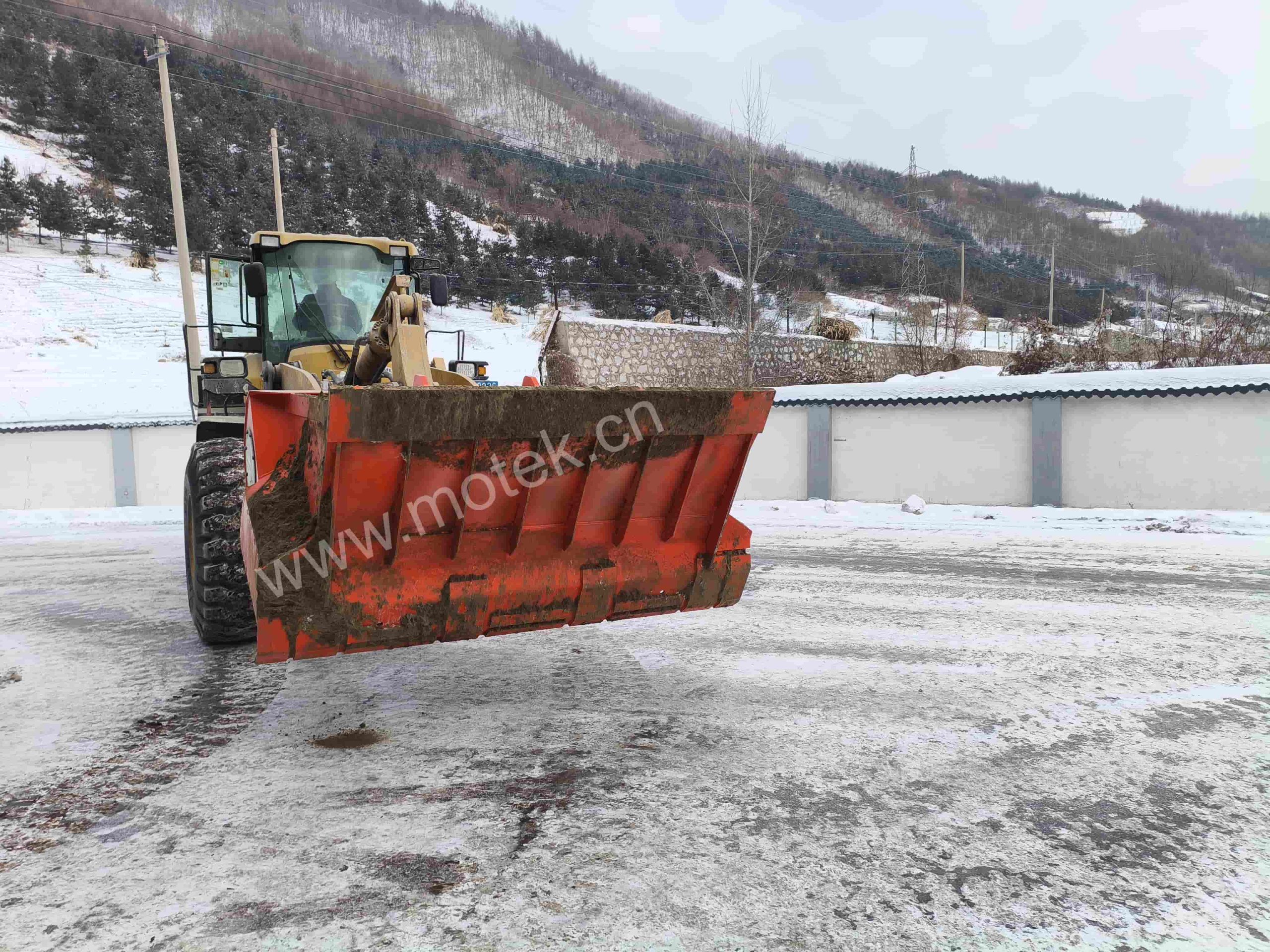
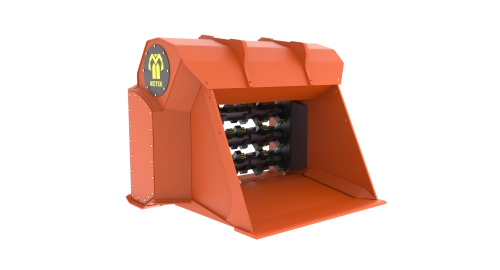
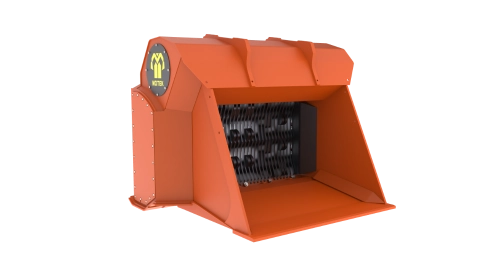
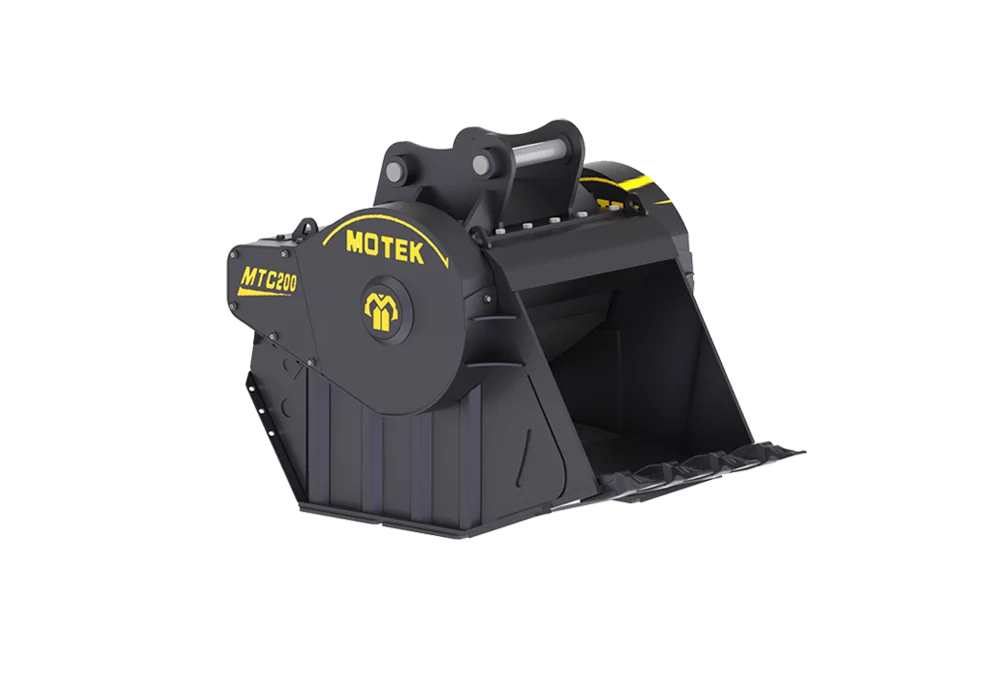
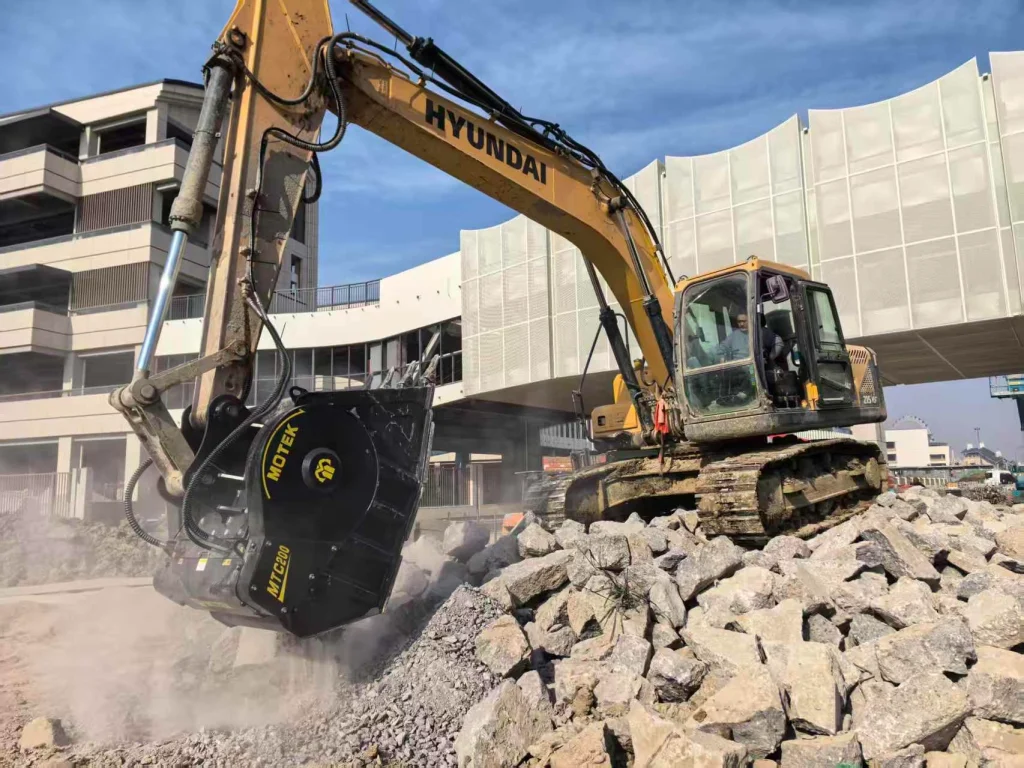
Ein Brecherlöffel ist ein hydraulisches Anbaugerät, das den Standard-Baggerlöffel an Baggern, Kompaktladern oder Baggerladern ersetzt. Er nutzt die Hydraulikleistung der Trägermaschine und arbeitet mit einem Backenbrechmechanismus, der das Material zwischen einer festen und einer exzentrisch beweglichen Platte verdichtet.
Bei der Anwendung auf das Betonrecycling ist der Arbeitsablauf stark optimiert:
1. Schaufeln und Beladen:
Der Bediener nutzt die Transportmaschine, um Rohbauschutt, darunter Betonplatten, Ziegel und Mauersteine, direkt vom Abbruchhaufen aufzunehmen.
2. Hydraulisches Brechen:
Die Hilfshydraulik des Baggers greift in die bewegliche Greiferplatte ein, komprimiert den Beton und zerschmettert die spröden Zementbindungen.
3. Bewehrungstrennung:
Beim Zerbrechen des Betons wird die flexible Stahlbewehrung (Bewehrungsstahl und Drahtgitter) vom Zement gelöst und fällt, ohne zu brechen, in die Brechkammer.
4. Dimensionierung und Durchfluss:Wird durch die Einstellung der geschlossenen Seite bestimmt.
Das zerkleinerte Material fällt durch den verstellbaren Bodenspalt und gewährleistet so eine einheitliche Ausgabegröße (z. B. 2 Zoll minus Zuschlagstoffe), die direkt in einen Graben oder auf einen Lagerhaufen abgelagert wird.
5 Gründe, warum Brecherschaufeln beim Betonrecycling dominieren
1. Vollständige Abschaffung der Transport- und Entsorgungsgebühren
Der größte Vorteil eines Brecherlöffels liegt in der Kostenreduzierung. Beton ist extrem schwer und sperrig. Sein Transport erfordert ganze Flotten von Muldenkippern, die teuren Diesel verbrauchen. Vor Ort werden die Entsorgungsgebühren pro Tonne berechnet. Durch das Brechen des Betons direkt vor Ort verlässt das Material das Gelände nicht. Die Transport- und Entsorgungskosten reduzieren sich somit auf null.
2. Abfall in eine Einnahmequelle verwandeln
Zerkleinerter Beton ist ein im Bauwesen sehr begehrter Baustoff. Bekannt als Recyclingbeton-Zuschlagstoffe, Es ist funktional identisch – und mitunter sogar strukturell überlegen – mit ungebrauchtem Schotter. Mithilfe einer Brecherschaufel erzeugen Bauunternehmen kostenlos ihren eigenen Unterbau für Straßenbau, Fundamentpolsterung oder die Verfüllung von Rohrleitungsgräben. Falls auf der Baustelle mehr Zuschlagstoff anfällt als benötigt, kann der Überschuss an lokale Bauunternehmen verkauft werden.
3. Umgang mit Stahlbeton (Bewehrungstrennung)
Eine der größten Herausforderungen beim Betonrecycling ist die Stahlbewehrung. Das Durchleiten von stark bewehrtem Beton durch einen herkömmlichen Hochgeschwindigkeits-Prallbrecher führt oft zu katastrophalen Verstopfungen und zerrissenen Förderbändern.
Backenbrecherlöffel sind in diesem Umfeld optimal geeignet. Während die Brechbacke den Beton komprimiert, fällt der spröde Zement ab, während der flexible Bewehrungsstahl hindurchgeführt wird. Darüber hinaus können die Löffel mit einer integrierten Eisenabscheider (ein lokalisierter Elektromagnet), der den Bewehrungsstahl aus dem zerkleinerten Haufen herauszieht, sodass er als wertvoller Altmetall verkauft werden kann.
4. Unübertroffene Mobilität auf der Baustelle
Stationäre Brechanlagen erfordern einen enormen logistischen Aufwand, ebenes Gelände und eine eigene Stromversorgung. Sie sind völlig ungeeignet für beengte innerstädtische Abrissbaustellen oder private Zufahrten. Der Brecherlöffel eines Baggers fährt genau dorthin, wo die Trägermaschine hinfährt. Ob auf engstem Raum eines abgerissenen Gewerbegebäudes oder entlang einer Autobahnerweiterung – der Brecher ist immer dort, wo er gebraucht wird.
5. Nachhaltigkeit und Einhaltung von Umweltauflagen
Der Einsatz eines Brecherlöffels reduziert den CO₂-Fußabdruck eines Projekts drastisch. Er eliminiert die Emissionen dutzender Lkw, die zu und von Deponien fahren, verringert den Bedarf an Primärrohstoffen und hält inerte Abfälle von kommunalen Mülldeponien fern. Für Unternehmen, die sich um öffentliche Aufträge oder umweltzertifizierte Projekte bewerben, ist diese Recyclingmöglichkeit vor Ort ein enormer Wettbewerbsvorteil.
Der MOTEK-Vorteil beim Betonrecycling
Bei der Verarbeitung eines so dichten und abrasiven Materials wie Beton sind die Langlebigkeit und die Konstruktion des Brecherlöffels von entscheidender Bedeutung. Als führender Hersteller von Brecherlöffeln in China, MOTEK hat speziell entwickelte Anbauteile konstruiert, die den harten Realitäten des Betonabbruchs standhalten, ohne die Trägermaschine zu beschädigen:
| Technisches Merkmal | Der MOTEK-Vorteil |
| Schwingungsdämpfender Riemenantrieb | Absorbiert kinetische Stoßwellen und schützt so den Ausleger und die Bolzen des Baggers vor vorzeitiger Materialermüdung beim Zerkleinern schwerer Betonmengen. |
| Niederdruckeffizienz | Erreicht maximale Zerkleinerungsausbeute bei nur 23 MPa mittels einer einzigen Pumpe, was einen kontinuierlichen Betrieb ohne Überhitzung des Hydrauliköls des Trägers ermöglicht. |
| Enorme Aufnahmekapazität | Verfügt über die größte Öffnungsweite auf dem chinesischen Markt und kann massive Betonplatten aufnehmen, ohne dass es zu Brückenbildung oder Verstopfungen kommt. |
| Austauschbare Backenplatten | Hochmanganhaltige Stahlplatten können innerhalb weniger Stunden direkt vor Ort gewendet oder ausgetauscht werden, wodurch die langfristigen Wartungskosten drastisch gesenkt werden. |
Durch die Integration eines MOTEK Brecherschaufel Durch die Integration in eine Abbruchfahrzeugflotte lösen Bauunternehmen nicht nur ihr Betonabfallproblem, sondern sichern sich auch einen dauerhaften, margenstarken Wettbewerbsvorteil in der Recyclingwirtschaft.
Autor

Jack Liu
MOTEK-Geschäftsführer mit 20 Jahren Erfahrung im Baumaschinenbereich. Ehemaliger Vertreter mehrerer europäischer Premium-Anbaugerätehersteller. Eine visionäre Führungspersönlichkeit, die das Wachstum von MOTEK vorantreibt.