

Reduce Waste Disposal Costs with an Excavator Hydraulic Screening Bucket
Release time: 2026-04-10
Table of Contents
For construction, demolition, and excavation contractors, waste disposal is a massive drain on project budgets. The traditional method of loading mixed debris into dump trucks, paying for long-haul transport, and covering exorbitant landfill tipping fees can quickly erode your profit margins.
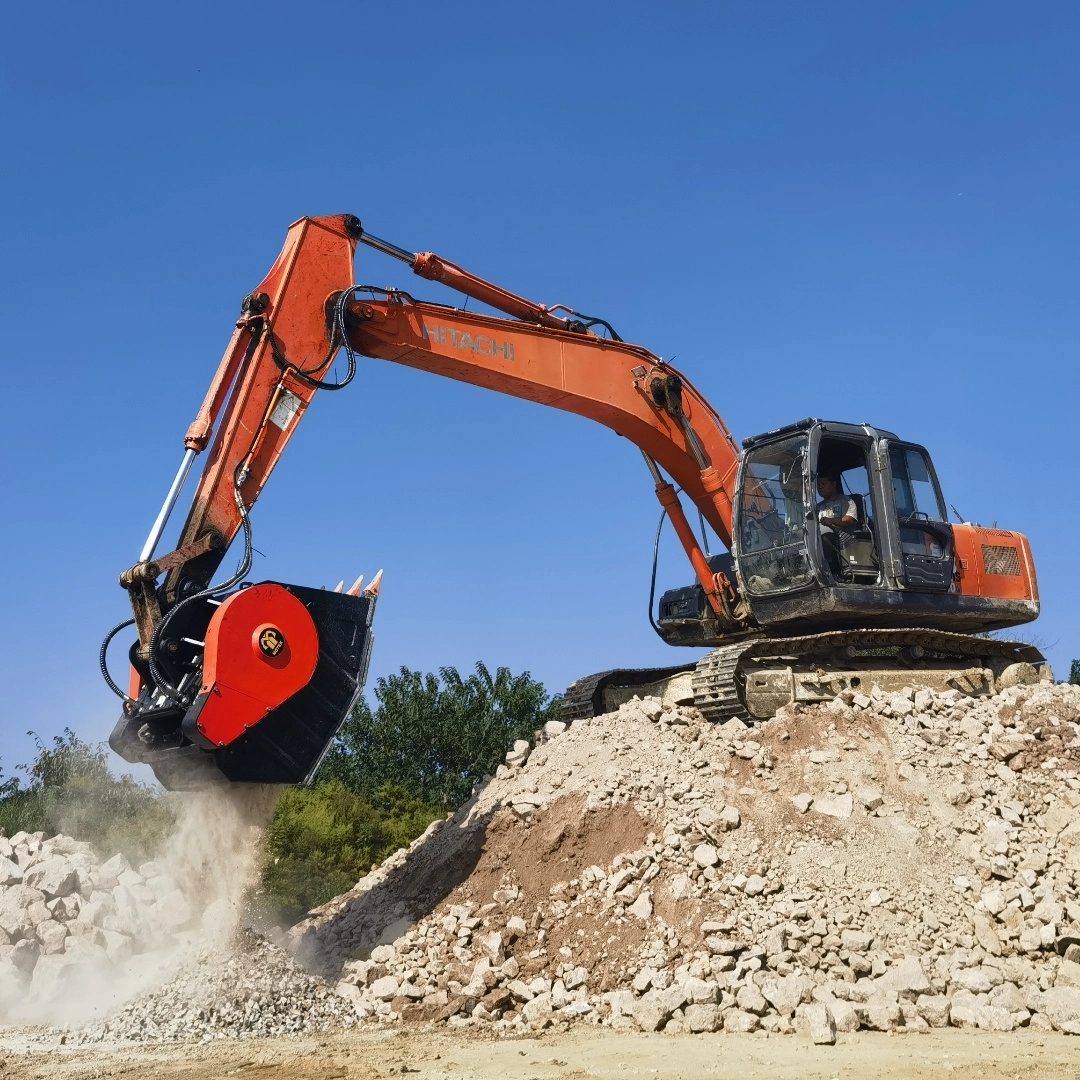
However, forward-thinking site managers are discovering a highly profitable alternative: processing materials on-site. By equipping your fleet with an excavator hydraulic screening bucket, you can drastically reduce waste disposal costs and transform useless debris into valuable, reusable assets.

The Hidden Financial Drain of Traditional Waste Disposal
Before understanding the solution, it is crucial to recognize how much capital is wasted using traditional disposal methods. The costs are generally threefold:
- Haulage Costs: Renting trucks, paying drivers, and fuel expenses for transporting heavy, unsorted waste off-site.
- Landfill Tipping Fees: Commercial disposal facilities charge by weight or volume, and mixed construction waste often incurs premium rates.
- Material Replacement Costs: Paying to bring in new aggregates or topsoil to backfill the site after you just paid to haul the native soil away.
How a Hydraulic Screening Bucket Drives Down Costs
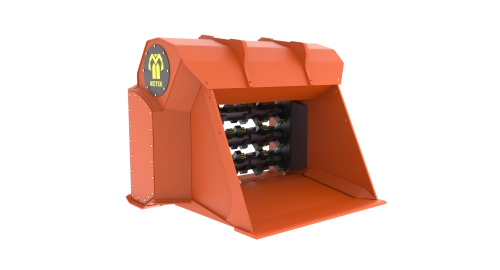
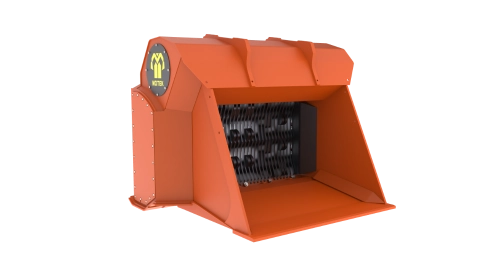
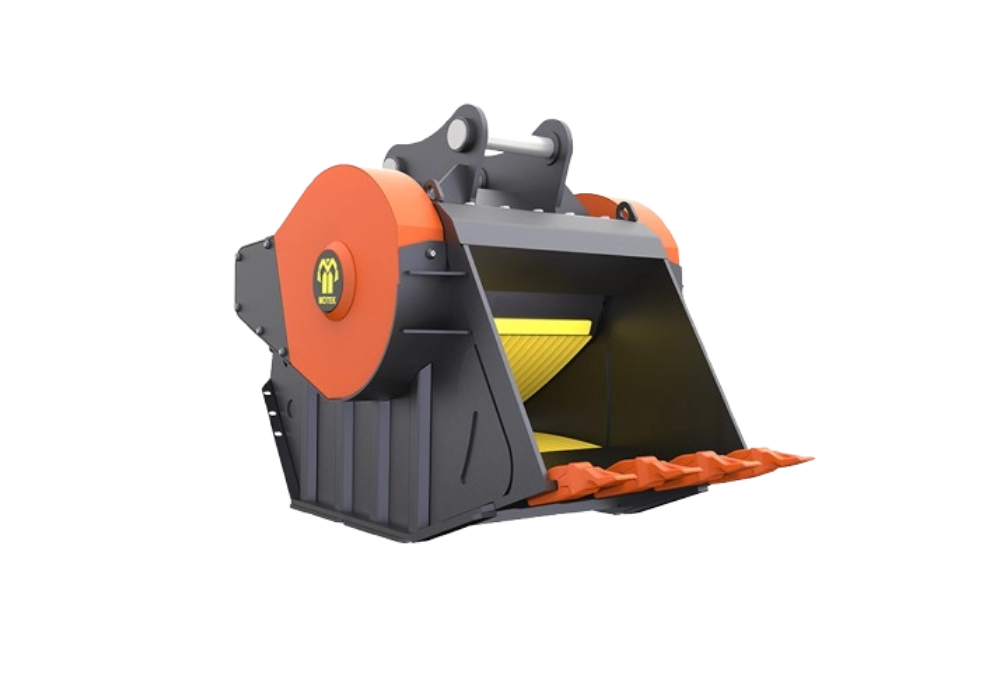
An excavator hydraulic screening bucket attacks these expenses directly at the source. It attaches to your existing excavator, turning it from a simple digging machine into a mobile recycling plant.
Eliminating Haulage and Tipping Fees
By separating fine soil from large rocks, concrete chunks, and debris directly on the job site, you significantly reduce the volume of waste that actually needs to leave the premises. In many cases, contractors can reduce haulage requirements by up to 60%, meaning fewer truck trips and dramatically lower landfill fees.
Turning Waste into Reusable Assets
The screened material does not just disappear; it becomes a resource. The fine, clean soil separated by the bucket can be immediately reused on-site for pipe bedding, trench backfilling, or landscaping. This eliminates the need to purchase and transport new aggregates, effectively saving you money twice on the same project.
Key Technical Specs for Cost-Effective Operation
To maximize your return on investment, you must select the right screening bucket. A mismatched attachment can lead to high fuel consumption or equipment wear. Here are the critical specifications to evaluate:
- Optimal Carrier Weight: Ensure the bucket matches your excavator’s tonnage (e.g., matching a 1.2m³ bucket to a 20-ton excavator). A bucket that is too heavy strains the boom and consumes excessive diesel.
- Hydraulic Oil Flow & Pressure: The bucket’s motor requires specific oil flow (L/min) and pressure (bar). Perfect hydraulic matching prevents the excavator’s cooling system from overworking, saving fuel and preventing pump damage.
- Interchangeable Screen Panels: Look for buckets that allow rapid mesh size changes (e.g., from 20mm to 100mm). This versatility means one bucket can handle fine topsoil on Monday and coarse demolition concrete on Tuesday without needing multiple attachments.
- Internal Load Capacity: A larger capacity reduces the number of scoop-and-screen cycles required, directly cutting down labor hours and machine operating time.
Maintenance Practices to Prevent Costly Downtime
A screening bucket saves money while it works, but neglected maintenance can lead to expensive repairs. Keep your disposal costs low by enforcing these preventative maintenance steps:
- Daily Visual Inspections: Before every shift, inspect the screening mesh for trapped rocks or rebar. Clearing blockages ensures maximum screening efficiency and prevents structural warping.
- Strict Greasing Schedules: The heavy vibrations and dusty environments demand rigorous lubrication. Grease the main shaft bearings, slewing rings, and pivot pins daily using high-temp lithium grease.
- Hydraulic Line Checks: Routinely check the input and output hydraulic hoses for abrasions or weeping fittings. A blown hose not only stops production but also causes costly environmental spills.
- Tension and Bolt Torquing: The operational vibration can loosen hardware over time. Make it a weekly habit to check and torque all structural bolts and transmission housing fasteners to factory specifications.
Conclusion: Stop Paying to Throw Away Money
In today’s competitive bidding environment, reducing operational expenses is just as important as winning new contracts. An excavator hydraulic screening bucket is not just an attachment; it is a strategic cost-control tool. By recycling on-site, you cut transport fees, bypass landfill charges, and generate free backfill material.
Are you ready to stop paying exorbitant waste disposal fees? Explore our premium range of high-efficiency screening buckets designed to fit all major excavator brands, or contact our sales team today to calculate your potential savings.
Author

Lilly Liu
MOTEK Director of International Sales Equipped with 15 years of dedicated experience in the construction machinery industry, she has a deep understanding of global market dynamics and regional customer needs. She has successfully led teams to penetrate key international markets, particularly in promoting construction machinery attachments and securing high-value overseas orders.