

Why Your Excavator Needs a Hydraulic Screening Bucket?
Release time: 2026-03-26
جدول المحتويات
In earthmoving, demolition, and quarrying operations, “time is money” is more than just a saying—it is the ultimate metric of a project’s profitability. Traditional material processing often relies on transporting mixed debris to stationary screening plants, which not only incurs high transportation costs but also extends project timelines.
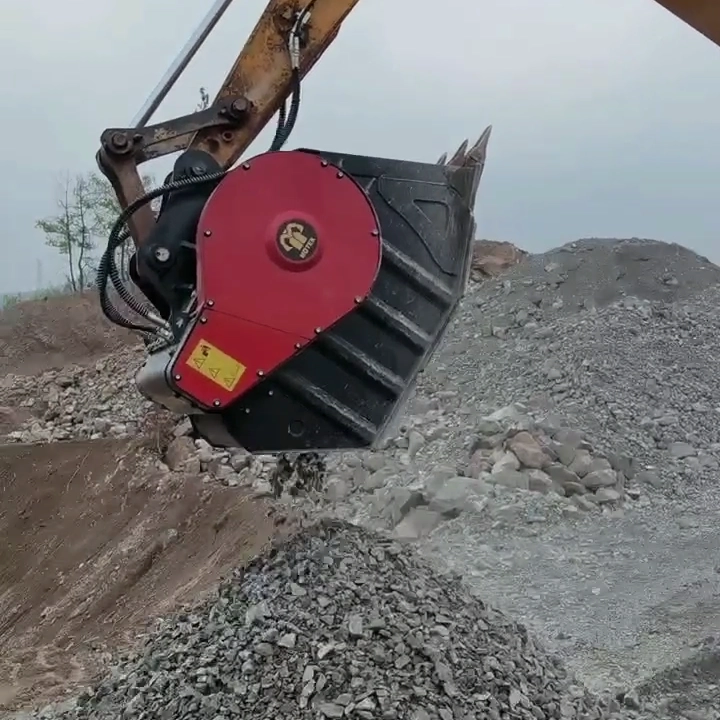
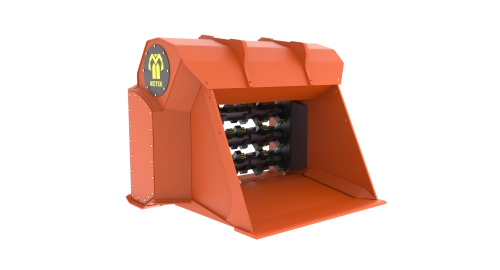
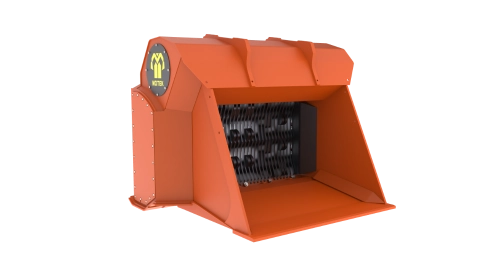
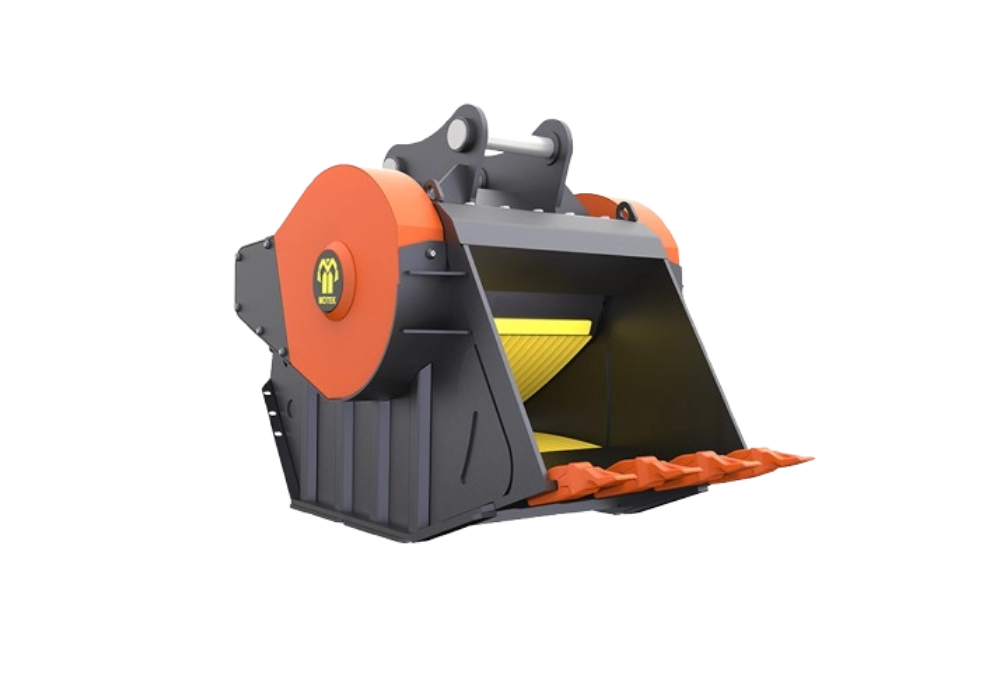
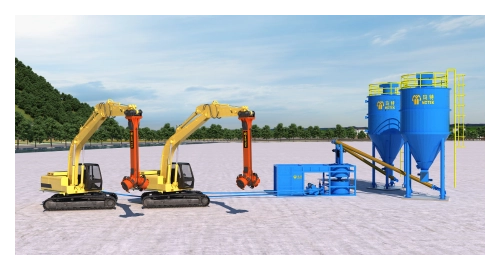
To maintain a competitive edge, more contractors are outfitting their fleets with an excavator hydraulic screening bucket. This attachment instantly transforms an excavator into a mobile material processing center. Read on to discover why your excavator needs this technological upgrade and how it maximizes on-site efficiency.
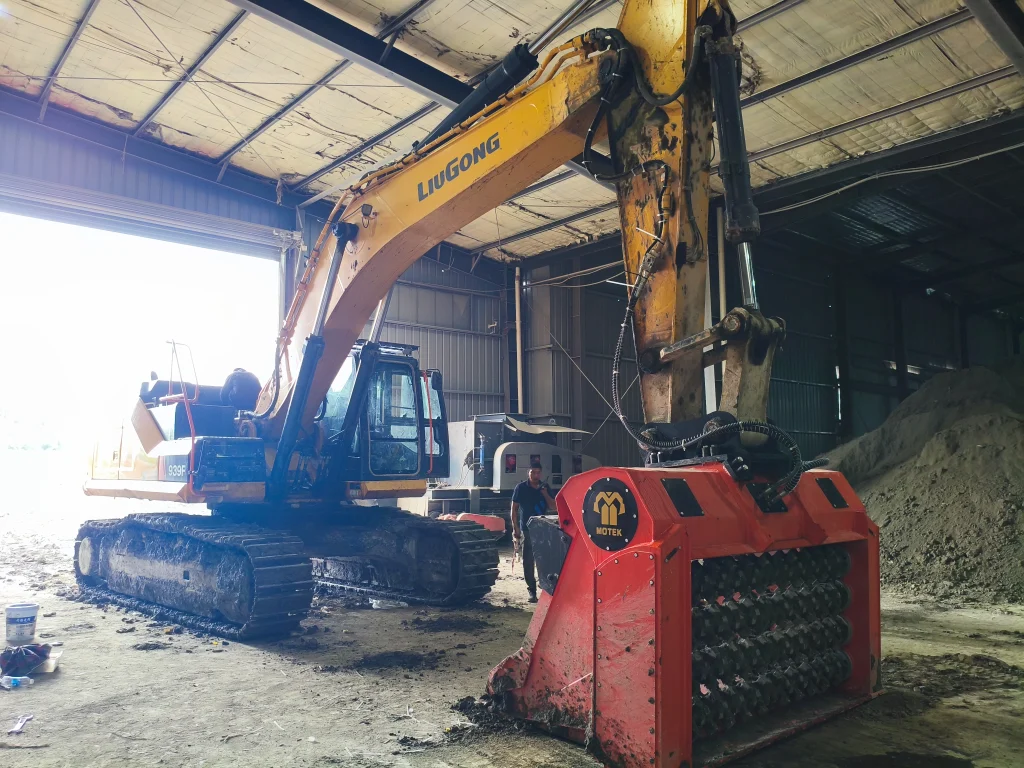
How a Hydraulic Screening Bucket Reshapes On-Site Efficiency
By attaching a hydraulic screening bucket, your excavator becomes the core of a closed-loop material processing system, rather than just a digging tool.
1. 100% On-Site Material Recycling
Whether handling construction debris from a demolition site or mixed soil from dredging, a screening bucket sorts materials directly where they are excavated. The separated topsoil or usable aggregates can be immediately repurposed for backfilling or foundation laying, achieving true on-site recycling.
2. Drastically Cut Transport and Disposal Costs
Say goodbye to renting heavy dump trucks to haul waste to landfills and paying hefty commercial tipping fees. By screening materials on-site, you can reduce waste volume by over 60%. Every dollar saved on transportation and disposal translates directly into your project’s net profit.
Technical Parameters: Key Specs to Consider When Buying
When purchasing an excavator hydraulic دلو الفحص, it is crucial to ensure the attachment’s specifications perfectly match your carrier machine. Oversizing can lead to boom overload or hydraulic overheating. Compare these critical technical parameters:
- Required Oil Flow: This is the most vital matching metric. If the excavator’s output flow (e.g., 150 L/min) is lower than the screening bucket motor’s requirement, efficiency will plummet. If it is too high, a relief valve must be installed to protect the motor from damage.
- Operating Weight & Capacity: This must be paired with your excavator’s tonnage (e.g., 20-ton vs. 30-ton class). An overly heavy bucket compromises the working radius and stability. Typically, a 20-ton excavator pairs well with a 1.0m³ to 1.5m³ capacity screening bucket.
- Screen Size Adjustability: A premium screening bucket should allow for quick screen replacements (usually ranging from 15mm to 150mm). Smaller meshes are ideal for fine topsoil screening, while larger meshes are designed for separating large concrete chunks or rocks.
- Operating Pressure: Ensure the attachment’s maximum pressure rating (e.g., 200-250 bar) aligns with the excavator’s auxiliary valve settings to guarantee long-term stability of the hydraulic system.
Essential Maintenance Steps for Longevity
Hydraulic screening buckets operate in harsh environments with high dust and heavy vibrations. Standardized daily maintenance is the foundation for preventing unexpected downtime and ensuring maximum operational efficiency. Your operators should strictly follow these steps:
- Pre-Shift Hydraulic Checks: Before starting daily operations, inspect hydraulic hoses for signs of excessive wear or aging, and ensure there are no fluid leaks around the quick couplers.
- Routine Lubrication of Key Components: Strictly follow the manual’s schedule to grease the slewing ring, transmission bearings, and pins using high-quality heavy-duty grease. This prevents internal mechanical failure due to dry friction.
- Physical Screen Inspection: After every shift, clear out any hard rocks or rebar wedged in the screen or grid gaps. Periodically inspect fastening bolts and use a torque wrench to retighten any components loosened by intense vibration.
- Motor and Gearbox Care: Every 250 to 500 working hours (depending on usage intensity), check and replace the gear oil in the reduction gearbox to ensure the hydraulic motor’s power output remains at peak levels.
Conclusion: Empower Your Fleet
الاستثمار في high-quality excavator hydraulic screening bucket does more than just add a new attachment to your machinery fleet; it opens up entirely new revenue streams for your business. By processing materials directly on-site, you will complete complex earthmoving and demolition projects faster and at a fraction of the cost.
If you are looking to upgrade your fleet’s capabilities, browse our full range of premium hydraulic screening buckets today, or contact our technical team to find the perfect match for your excavator and project needs.
Author

Lilly Liu
MOTEK Director of International Sales Equipped with 15 years of dedicated experience in the construction machinery industry, she has a deep understanding of global market dynamics and regional customer needs. She has successfully led teams to penetrate key international markets, particularly in promoting construction machinery attachments and securing high-value overseas orders.