


دلو التكسير من شركة MOTEK في خطوط الأنابيب المخصصة للتربة الناعمة
موعد الإصدار: 2024-12-16
كيف حالك؟ دلاء الفرز والسحق من موتك هل ينطبق ذلك على عمليات ردم خطوط الأنابيب في التربة الناعمة؟
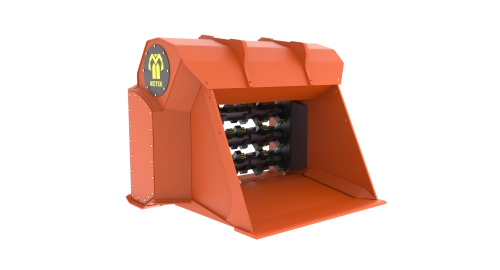
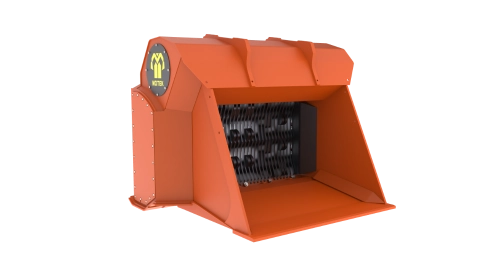
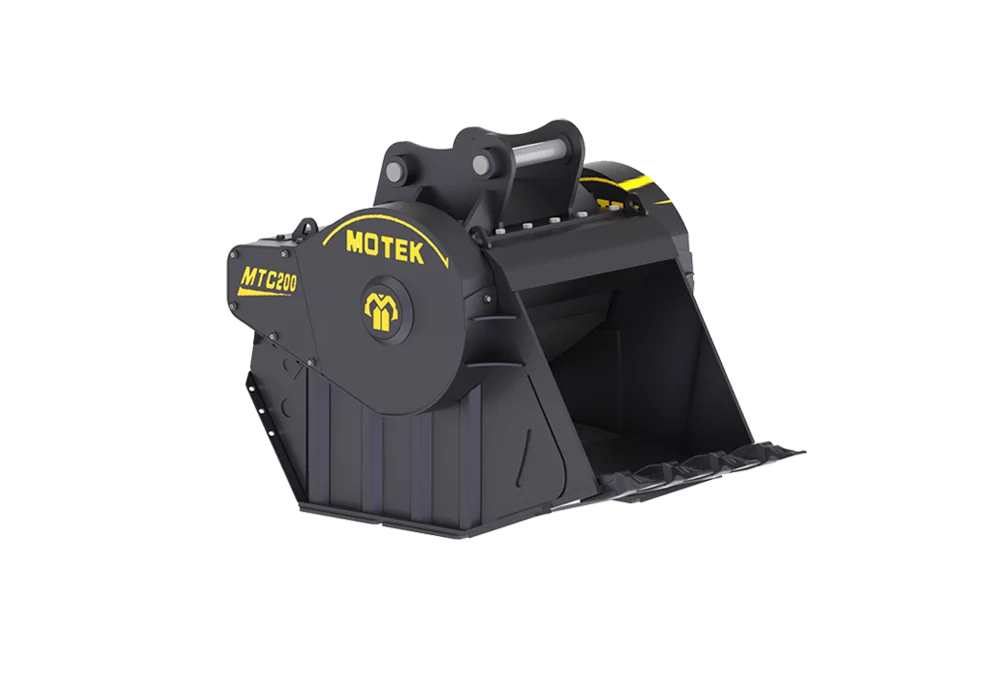
أثناء ردم خطوط الأنابيب بالتربة الناعمة، يمكن لدلاء الفرز والتكسير من MOTEK إجراء الفرز والتكسير في الموقع لمواد الردم، مما يضمن حجم جسيمات موحد، وبالتالي تحسين ضغط الردم وجودة البناء.
كيفية اختيار طراز المعدات المناسب؟
دلو غربلة MOTEK MT317 صُممت هذه الآلة للعمليات متوسطة إلى عالية الكثافة، وتتميز بقدرة غربلة عالية. تصل كفاءة معالجتها إلى 50-80 مترًا مكعبًا في الساعة، مع قدرة معالجة يومية تبلغ حوالي 400-640 مترًا مكعبًا، مما يلبي احتياجات التشغيل المستمر لمشاريع ردم خطوط الأنابيب واسعة النطاق.
مشكلة:
أثناء إنشاء خطوط أنابيب النفط والغاز، توجد أقسام خاصة: مثل أقسام الحصى، وأقسام خليط التربة والصخور، وأقسام التربة المجمدة، وما إلى ذلك، حيث لا توجد مواد ردم للتربة الناعمة. إذا تم استخدام طريقة الاستبدال، فإن تكلفة الحصول على مواد الردم تكون عالية جدًا.
حل:
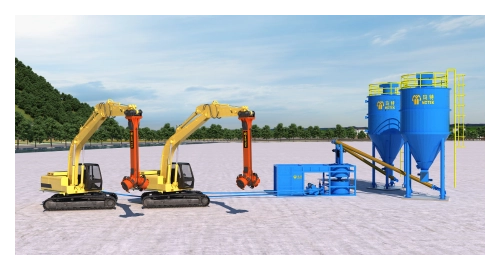
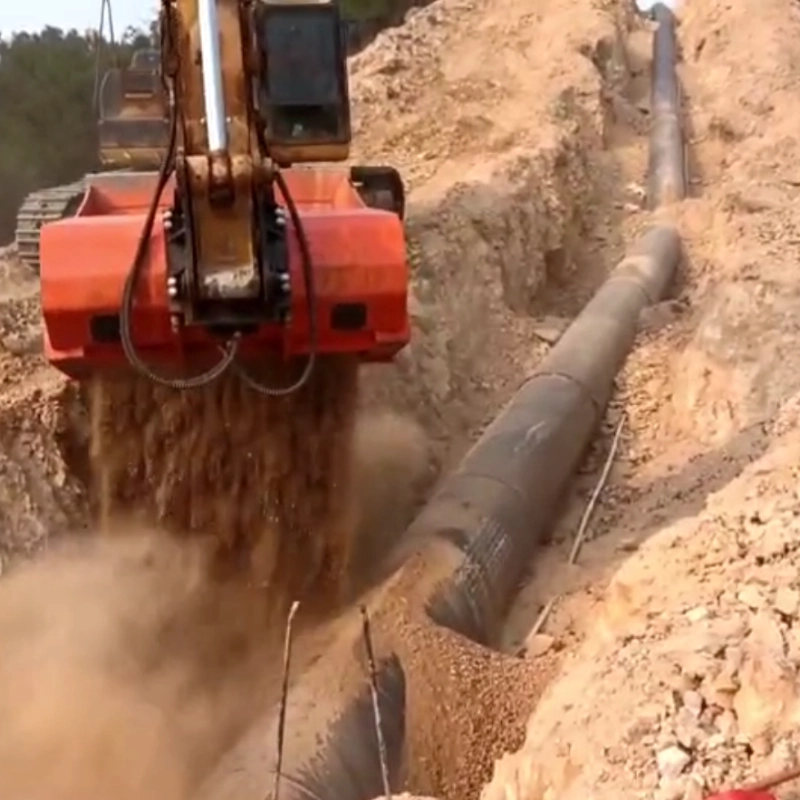
لحل مشكلة ردم التربة الناعمة في خطوط الأنابيب، يوجد حل فعال باستخدام دلو غربلة للحفارة، كما يلي:
1. تمشي الحفارة مع دلو الغربلة بجانب خط الأنابيب؛
2. استخدم دلو فحص التربة لالتقاط التربة الأصلية مباشرة؛
3. يضغط السائق على صمام القدم الموجود في الكابينة لبدء تشغيل ملحق دلو الغربلة وغربلة التربة الدقيقة مباشرة في الخندق؛
4. يمكن نقل التربة المتبقية في دلو غربلة الحفارة بعيدًا أو استخدامها كتربة ردم في الجزء العلوي من الخندق.
مزايا دلو الغربلة والسحق من شركة MOTEK:
– كفاءة عمل عالية لدلو الغربلة والسحق MOTEK:
* إن أفضل دلو للغربلة MT312 مناسب للحفارات التي يتراوح وزنها بين 20 إلى 25 طنًا، مع سعة دلو تبلغ 1.2 متر مكعب؛
*وتعالج ما بين 50 و80 متر مكعب في الساعة وما بين 400 و640 متر مكعب في اليوم؛;
*بناءً على حجم الردم البالغ 1 متر مكعب من الخندق المدفون، يمكن ردم ما بين 400 إلى 640 مترًا من الخندق كل يوم.
– فوائد دلاء الفحص MOTEK:
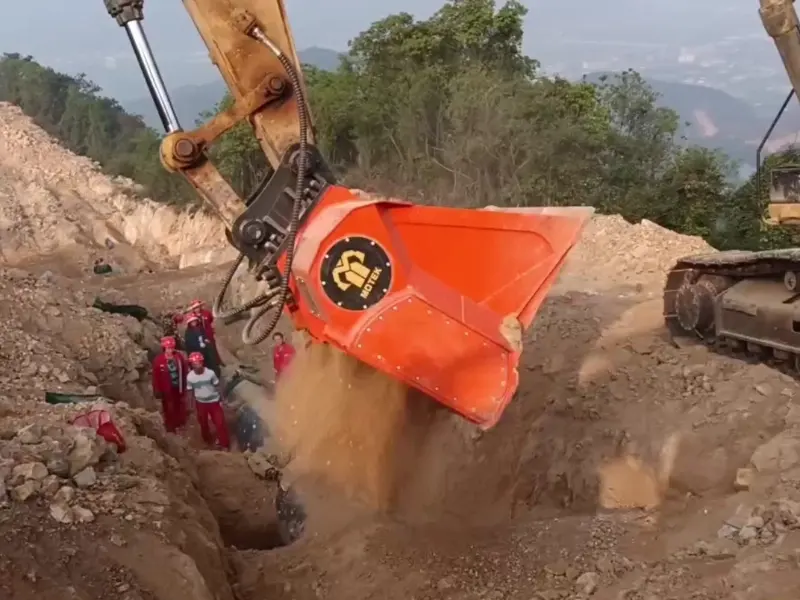
تُتيح جرافة الغربلة الهيدروليكية من MOTEK معالجة التربة مباشرةً في موقع البناء، مما يُقلل الحاجة إلى نقلها، وبالتالي يُخفض التكاليف والوقت. كما تُفصل بفعالية الأحجار والحطام وغيرها من المواد عن التربة لضمان تجانس واستقرار مواد الردم. يُساهم استخدام جرافة الغربلة الهيدروليكية في الحد من الأضرار البيئية، نظرًا لتقليل نقل التربة وإعادة حفرها. وتضمن هذه الجرافة مطابقة التربة للمواصفات المطلوبة، مما يُحسّن جودة وسلامة إنشاء خطوط الأنابيب.
أسئلة شائعة حول استخدام دلو الغربلة في ملء خطوط الأنابيب بالتربة الناعمة:
1. كيف يمكن استخدام دلو الكسارة الغربالية لتحضير التربة الناعمة لردم الأنابيب؟
استخدم دلو الكسارة الغربالية لسحق وغربلة التربة في الموقع، وإزالة الكتل الكبيرة والحطام، مما يضمن أن تكون التربة موحدة ومناسبة للضغط حول الأنابيب.
2. كيف نضمن أن التربة التي تتم معالجتها بواسطة دلو الكسارة تفي بمعايير الردم؟
تحقق من حجم الجسيمات بعد الفرز، وقم بإزالة الحطام كبير الحجم، وتحقق من محتوى الرطوبة لضمان جودة الرص ومنع الهبوط المستقبلي حول خط الأنابيب.
3. كيف يتم تشغيل دلو الكسارة الغربالية بكفاءة لردم خط الأنابيب؟
قم بالعمل بسرعة ثابتة، وتجنب التحميل الزائد، وتحرك بشكل منهجي على طول الخندق لسحق التربة وغربلتها بالتساوي، مما يضمن طبقة ردم موحدة.
4. كيف يتم التعامل مع المخلفات الزائدة عند استخدام دلو الكسارة للتربة الناعمة؟
قم بجمع الصخور الكبيرة والأجسام الغريبة التي تمت إزالتها أثناء عملية الفرز، وقم إما بإعادة استخدامها في مكان آخر أو التخلص منها بشكل صحيح لمنع انسداد الأنابيب أو تلفها.
5. كيف تتم صيانة دلو الكسارة أثناء أعمال ردم الأنابيب؟
قم بفحص أسنان الجرافة وشبكاتها ووصلاتها الهيدروليكية بانتظام؛ ونظفها بعد كل قسم لمنع الانسداد وضمان التشغيل المستمر والفعال.