



How to Maintain and Service a Crusher Bucket for Longevity
Release time: 2026-01-22
Tabla de contenido
Crusher buckets have become an essential tool in the construction and demolition industries, allowing for efficient material processing on-site. However, like any machinery, proper maintenance and servicing are crucial to ensure their longevity and optimal performance. In this article, we will explore best practices from industry experts on how to maintain and service your crusher bucket effectively.

Understanding the Crusher Bucket
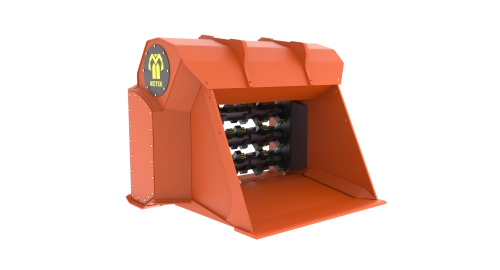
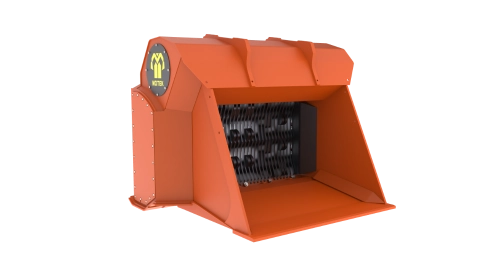
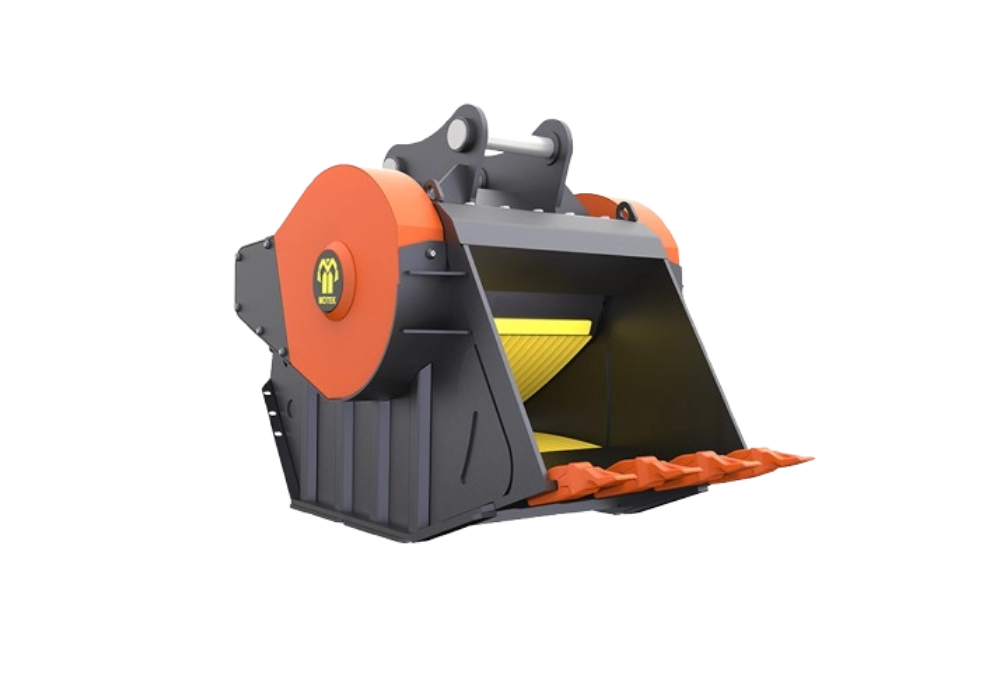
Before diving into maintenance, it’s essential to understand what a durable crusher bucket is. A crusher bucket is an attachment that can be mounted on various machinery, such as excavators and loaders, allowing them to crush materials like concrete, asphalt, and stone directly at the job site. This innovative tool not only saves time and money but also reduces the need for transporting materials off-site.
Importance of Regular Maintenance
Regular maintenance is vital for any machinery, and crusher buckets are no exception. Neglecting maintenance can lead to decreased efficiency, increased wear and tear, and ultimately, costly repairs or replacements. By following a consistent maintenance routine, you can extend the life of your crusher bucket and enhance its operational efficiency.
Daily Inspection
- Visual Check: Every day before use, conduct a visual inspection of the crusher bucket. Look for any signs of wear, cracks, or damage. Pay particular attention to high-stress areas such as the teeth, side plates, and the frame.
- Hydraulic System: Inspect the hydraulic lines and connections for leaks or wear. Ensure that all hydraulic fittings are secure and free from debris.
- Teeth and Adapters: The teeth are crucial for effective crushing. Check for wear and replace any damaged or excessively worn teeth. Ensure that the teeth are properly aligned and securely attached.
- Grease Points: Many Cucharones trituradores have grease points that require regular lubrication. Check the grease levels and apply grease as necessary to ensure smooth operation.
Weekly Maintenance
- Thorough Cleaning: After a week of operation, clean the crusher bucket thoroughly. Remove any accumulated debris, dirt, or material that may hinder performance. A clean bucket operates more efficiently and reduces wear.
- Check Bolts and Fasteners: Over time, bolts and fasteners can loosen due to vibration and stress. Regularly check and tighten all bolts to ensure the stability of the bucket.
- Inspect Wear Plates: Many crusher buckets come with wear plates designed to protect the structure from excessive wear. Inspect these plates for damage and replace them if necessary.
Monthly Maintenance
- Hydraulic Fluid Levels: Check the hydraulic fluid levels monthly. Low hydraulic fluid can affect the performance of the crusher bucket and lead to hydraulic system failure. Top up fluids as needed, using the manufacturer’s recommended type.
- Detailed Mechanical Inspection: Conduct a more detailed inspection of all moving parts, including the bucket’s pivot points. Look for signs of excessive play or wear and address any issues immediately.
- Inspect for Corrosion: Depending on the working environment, corrosion can be a concern. Inspect the bucket for any signs of rust or corrosion, especially if it has been used in wet or corrosive conditions. Treat any affected areas promptly to prevent further damage.
Seasonal Maintenance
- Deep Cleaning and Inspection: At the start of each season, perform a deep cleaning and thorough inspection of the crusher bucket. This is particularly important if the bucket has been used in harsh conditions.
- Check for Wear and Tear: Assess the overall condition of the bucket, including the frame, teeth, and wear plates. Replace any parts that show significant wear.
- Service the Hydraulic System: Consider having a professional service the hydraulic system once a year. They can check for internal leaks, replace filters, and ensure that the system is operating at peak efficiency.
Tips for Extended Longevity
- Proper Use: Always use the crusher bucket as intended. Avoid overloading it beyond its capacity, as this can lead to excessive wear and potential damage.
- Operator Training: Ensure that operators are trained in the correct use of the crusher bucket. Proper technique can significantly reduce wear and improve efficiency.
- Avoiding Contaminants: Be mindful of the materials being processed. Avoid feeding the crusher bucket with materials that contain foreign objects like metal or large rocks, which can cause damage.
- Invest in Quality Parts: When replacement parts are necessary, invest in high-quality components that meet the manufacturer’s specifications. Cheap alternatives may save money upfront but can lead to higher costs down the line due to increased wear and maintenance needs.
Conclusión
Maintaining and servicing a crusher bucket is crucial for ensuring its longevity and optimal performance. By following a structured maintenance schedule and adhering to best practices, you can prevent costly repairs and downtime. Regular inspections, proper usage, and thorough cleaning are keys to keeping your Cuchara trituradora in top condition. Investing time and resources in maintenance today will pay off in the long run, keeping your operations running smoothly and efficiently.
Frequently Asked Questions
Q1: How often should I inspect my crusher bucket?
A1: A daily visual inspection is recommended, with more thorough weekly and monthly checks depending on usage.
Q2: What are common signs of wear in a crusher bucket?
A2: Common signs include cracks, worn teeth, loose bolts, and excessive play in moving parts.
Q3: Can I use my crusher bucket for any material?
A3: It’s best to avoid materials with foreign objects like metal or oversized rocks that can damage the bucket.
Q4: What type of hydraulic fluid should I use for my crusher bucket?
A4: Always refer to the manufacturer’s specifications for the recommended type of hydraulic fluid.
Q5: How can I extend the lifespan of my crusher bucket?
A5: Proper use, regular maintenance, and training operators on correct techniques can significantly extend the lifespan.
Author

Gershon Zhou
MOTEK R&D Director With 18 years of focused experience in the construction machinery attachment industry. As a National Certified Senior Engineer, he is a well-recognized technical leader in the field of earthmoving machine attachments.

